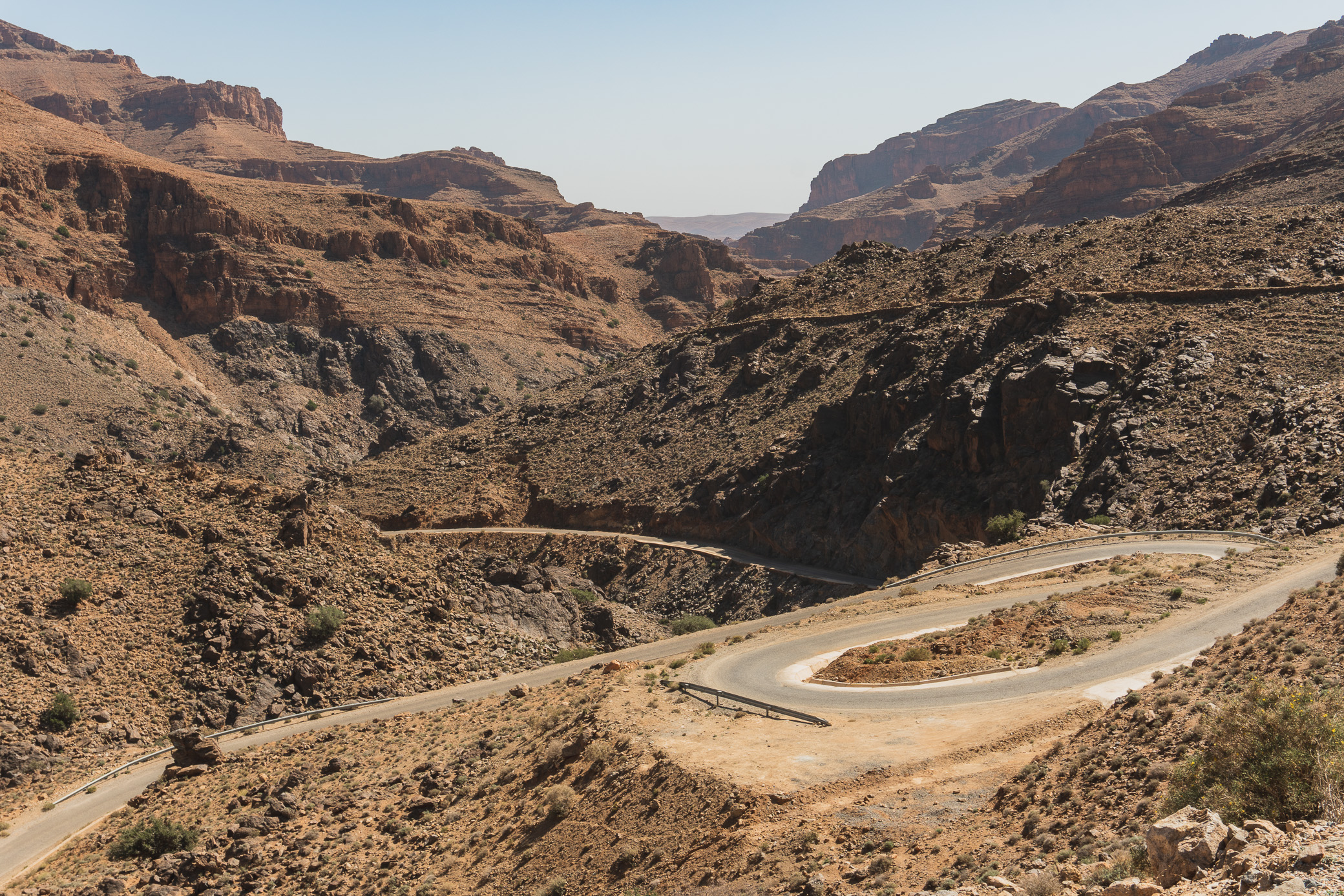
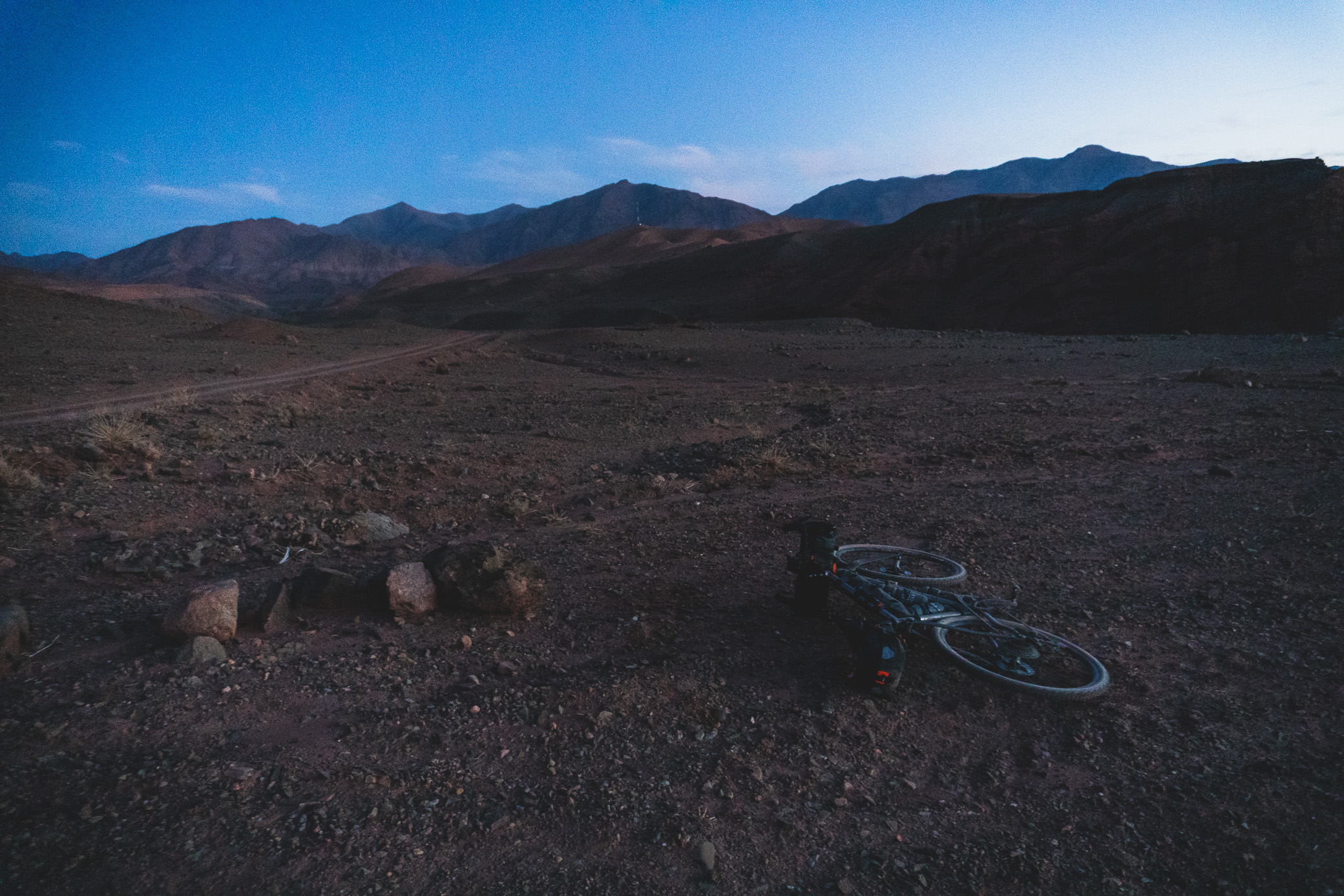
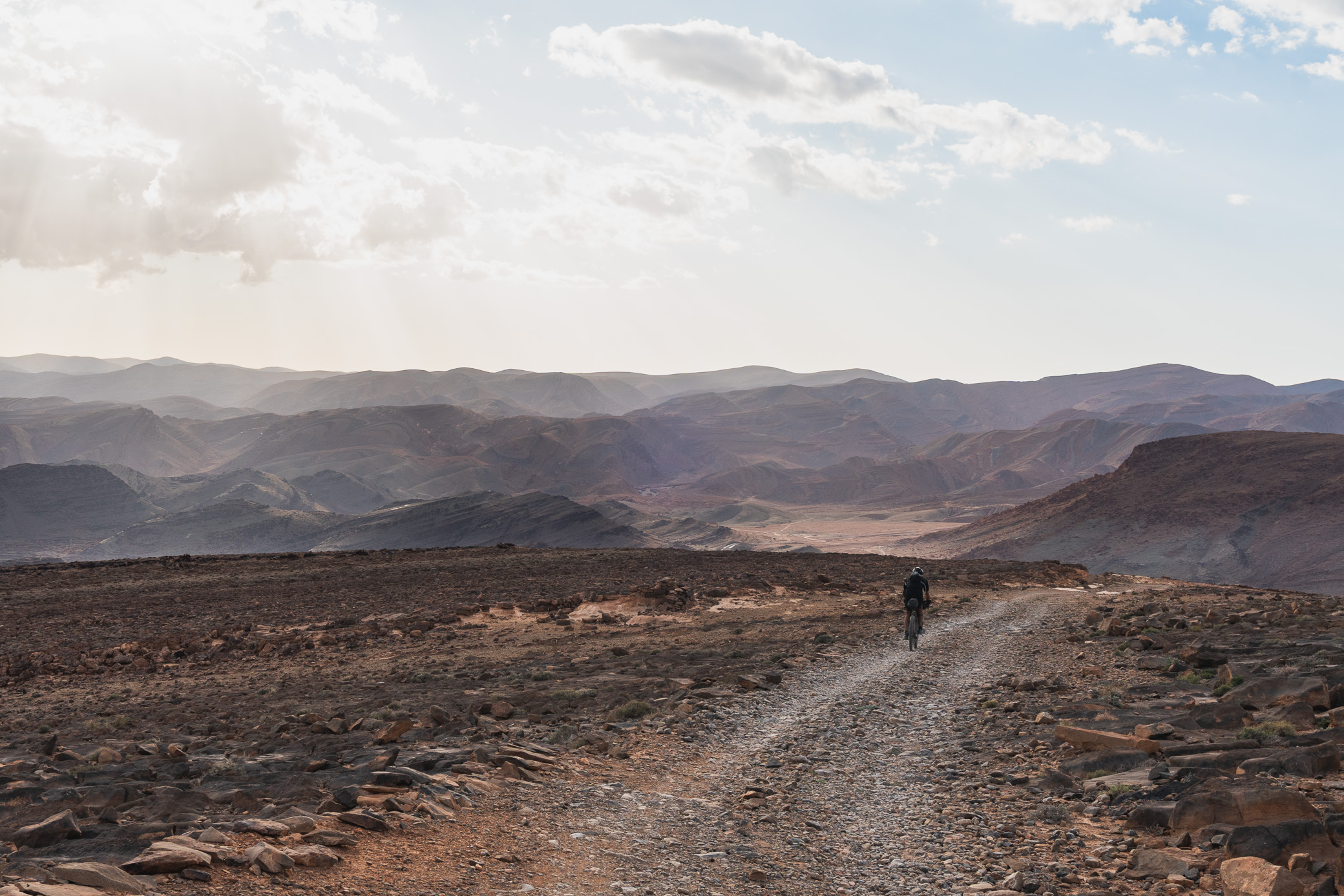
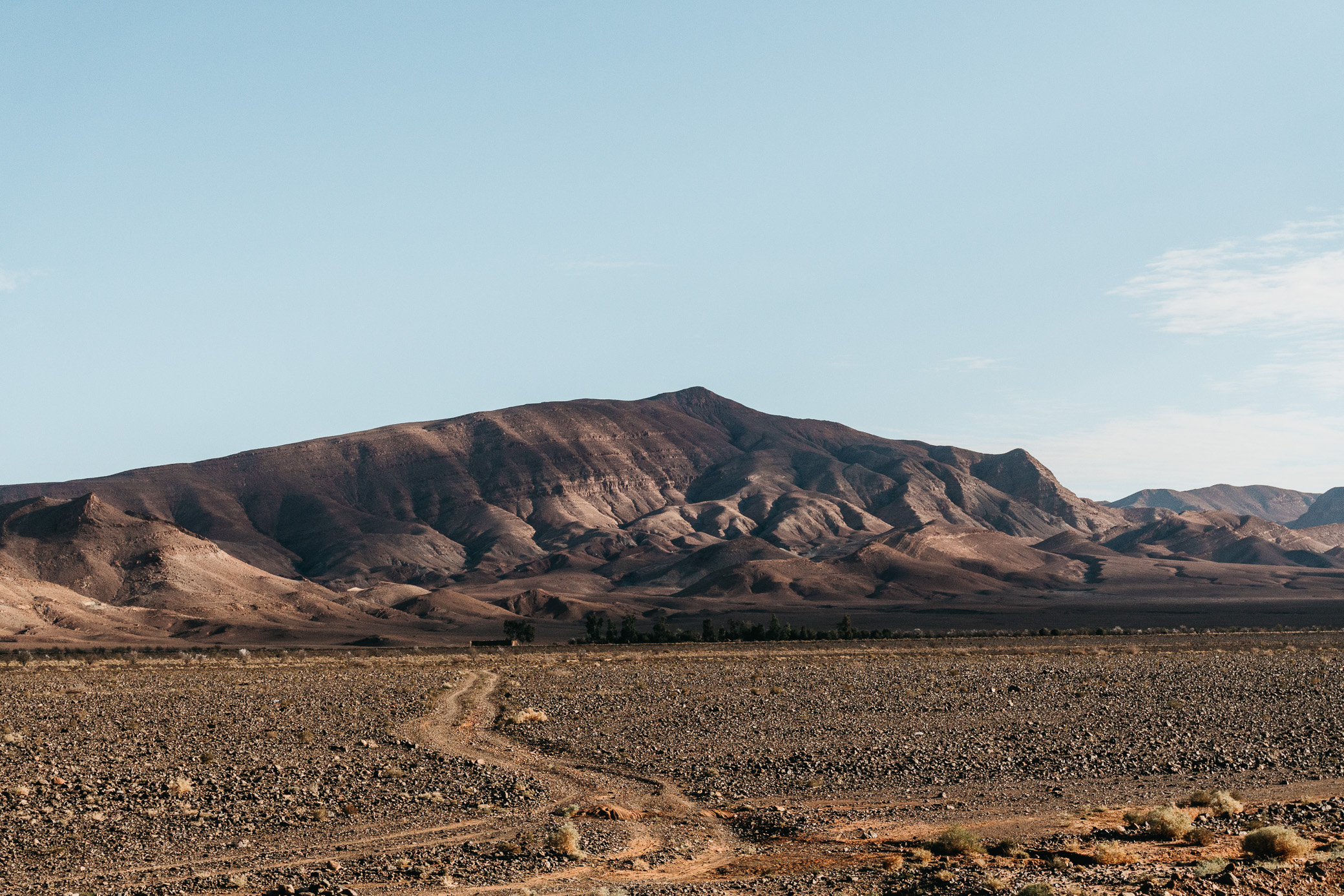
Blog

  • Training Plans for Indoor Cycling

    Countries across the world are shutting down & cyclists in many places are temporarily unable to ride outside. As a cycling community it would only be fair to see this as an opportunity to mix up our training & use the enforced home-time as a chance to forge new, healthy habits, switch to a healthier diet & establish a new way of living life.

    Amateurs and Pro’s alike are throwing training plans out the window & switching out their 6 hour rides for shorter sessions on the indoor trainer. But is this really going to benefit them?

    The Benefits of Indoor Training vs Riding Outside

    We asked Eat Sleep Cycle coach, Dave Smith, about the potential benefits of indoor training:

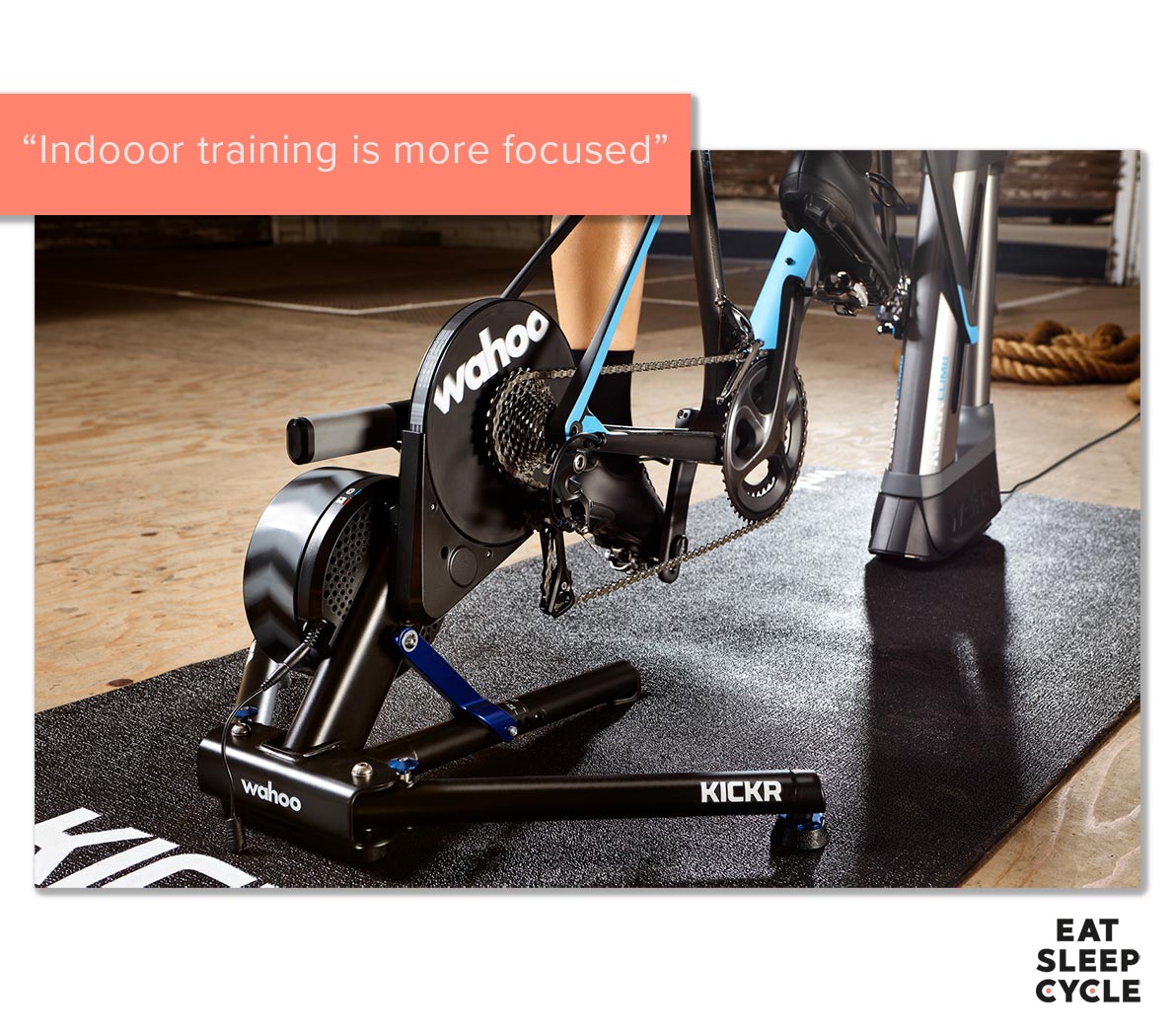
    The big gain comes from the training being more focused as rides tend to be shorter. It’s a great time to work on power and speed using specific hard intervals without interruptions from road traffic, intersections and changes in gradients. An overlooked benefit is that you can often hear pedalling inefficiencies in the sound of the trainer and tune your pedal stroke to even out the tone. Finally you can develop some mental toughness by doing some sessions without interactive tools and simply staring down at a stopwatch.

    Indoor training has long been one of the only ways to train for people with busy lives, families & full-time jobs, so learning about how to train properly now is a great way to establish healthy habits which can continue when normal life resumes.

    So, it’s possible to emerge from this period fitter & stronger, but what of the mental impact of exercising inside & can this ever compare to the joy of freewheeling down a hill?
    The mental health benefits of indoor training

    Turbo trainer & happiness are two words which have never appeared in the same sentence. Cycling outside is a great way to feel alive, to forget about your worries and focus on the ride. Without the distractions of riding outside (traffic lights, traffic, fellow riders, junctions, roundabouts etc), training indoors can slip into feeling like a horrendous battle with your inner-self & sessions can end up being really tough to complete.

    However, when the joy of cycling outside must be postponed for the greater good, doing any form of exercise is a good thing. Exercise is proven to:

    1. Help relieve depression & anxiety – physical activity boosts endorphin levels, a ‘feel good’ chemical which produces feelings of happiness & euphoria
    2. Decrease stress – an increase in heart rate stimulates the production of neurohormones, which improve cognition and mood & improve thinking clouded by stressful events
    3. Increase self-esteem & self-confidence – over time exercise makes us fitter, slimmer & toned, perfect for that important boost of self-esteem!
    4. Better sleep – physical activity increases body temperature, which can have calming effects on the mind. Exercise also helps regulate your circadian rhythm, a system which controls when we feel tired and when we feel alert (just don’t exercise before bed, this will wake you up!)
    5. Boost brainpower! – cardiovascular exercise creates new brain cells (in a process called neurogenesis) and improves overall brain performance.

    So, indoor or outdoor, exercise can be a game-changer, especially in times of social isolation.

    Some training platforms also allow for group rides, which bring a level of social interaction back, also good for a mood-boost & great way to feel connected & keep loneliness at bay.

    Equipment for Indoor Cycling: Trainers vs Rollers?

    There are so many options on the market for indoor trainers to keep you pedalling.

    The first thing to consider is that a trainer will give you greater options for drills than rollers. Rollers are great for high cadence, pre-race warm-ups but are really difficult for out & out efforts (unless you have serious skills!) That said, rollers are better at simulating the actual feel of riding a bike & force you to keep a steady core.

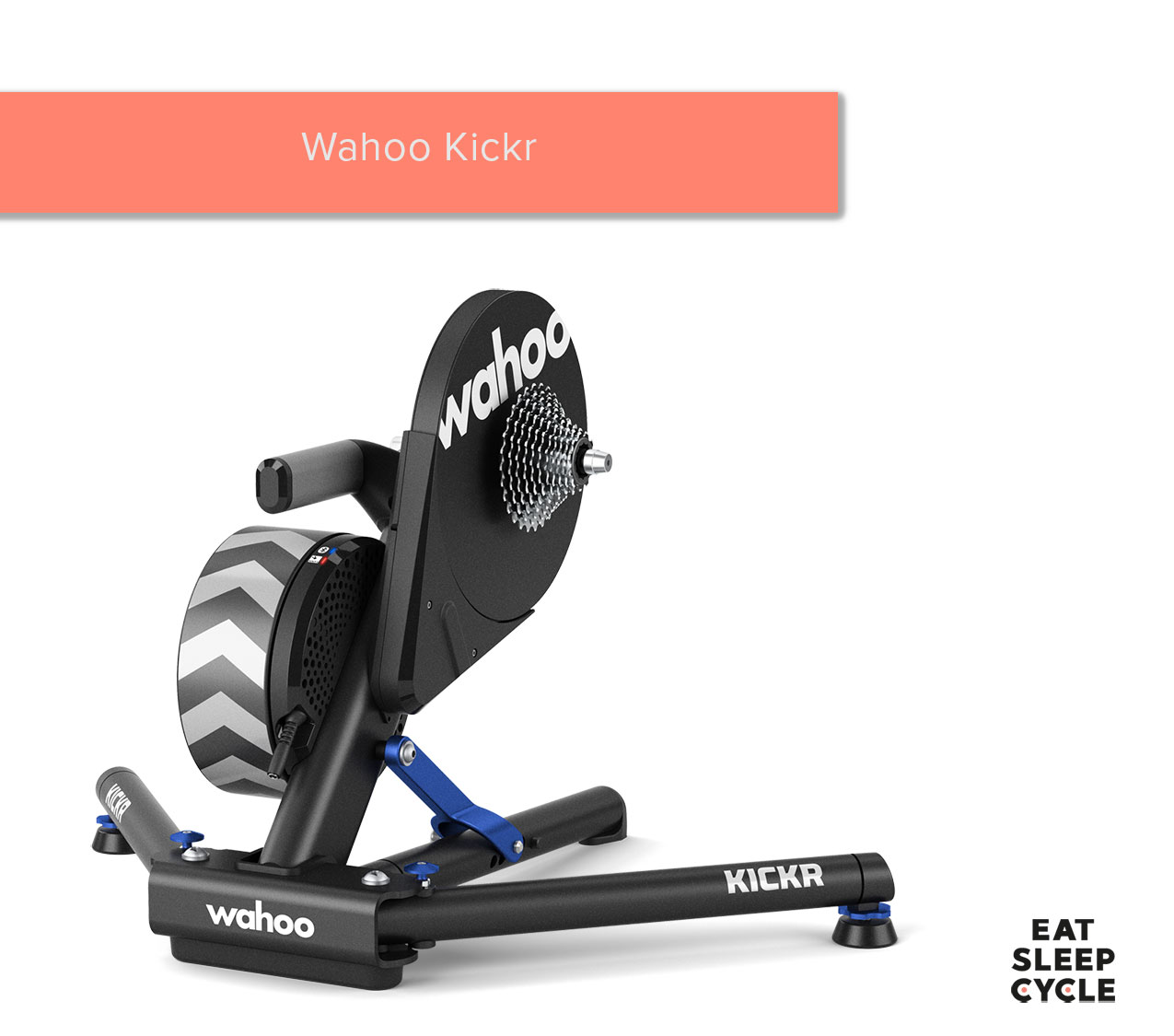
    Wahoo Kickr

    A great trainer with awesome reviews, this is setting the standard for the industry. At 21 kgs its incredibly stable & there’s no need to wreck your tyres as the bike mounts directly onto the built in cassette. The ride feel is realistic & the trainer is also really quiet – great for respecting your neighbours, family members or housemates. The Wahoo Kickr is compatible with pretty much everything. It measures power and is great to use in conjunction with Zwift (see below).
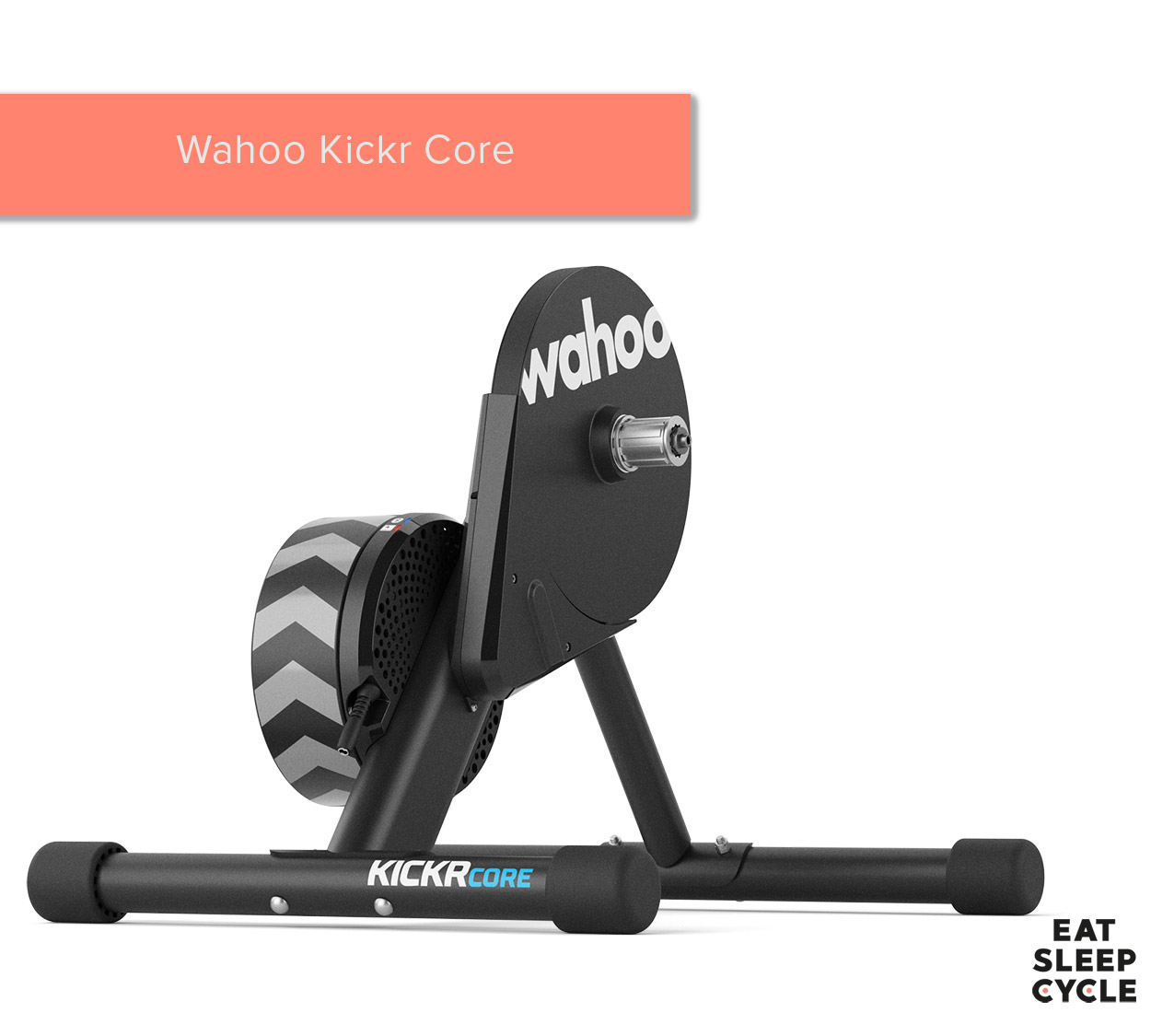
    Wahoo Kickr Core

    The lightweight version of the Wahoo Kickr, the Kickr Core is a great piece of kit for those on more of a budget. It features a great ride feel, belt-drive transmission for a quiet training session & full connectivity to all devices. The Core features a smaller fly-wheel & is lighter. But for the money, is an excellent option.
    Platforms for Indoor Training

    Zwift

    Zwift is becoming a synonym for indoor training. Ride in an immersive virtual world, compete against others & customise your ride to gain an advantage. Social integration is a key feature – you can plan group rides & races with your friends. The missing piece is voice chat – but it’s still great fun & hugely popular.

    Sufferfest

    A different approach to indoor training which doesn’t rely on virtual reality to be fun. Enjoy great music & structured workouts developed by APEX Coaching’s Neal Henderson. They also have Yoga, Strength Training, and Mental Fitness videos to make you a more well-rounded athlete.

    Peloton

    A completely different experience which requires heavy upfront in investment in the peloton exercise bike. Then enjoy access to a huge library of spin classes. Whilst this is hugely popular in the USA it’s a great option for general fitness, but not for out & out cyclists.

    Bike Rumour do a great job of compiling & comparing ten training apps on their latest Indoor Training article.

    Alternative Exercise For Cyclists in Isolation

    Don’t have access to an indoor trainer or software? There is a huge amount you can do to develop your strength on the bike without actually going near a bike. Spend time building your core strength, leg strength & flexibility. Work on specifics like activating your glutes for maximum impact when you get back on the bike.

    You can trawl You Tube for exercises that work for you, or consider working with a coach for a custom plan designed around you & your goals.

    Sign Up For Your Custom Training Plan

    To find out more about our custom training plans head over to our Coaching & Training plans page, give us a call now on +34 972 754 301 or contact us online!

    P.S. Enjoyed this blog? Why not sign up to receive notifications every time we post and get regular updates on our latest tours!

  • Secure your place on a 2021 Tour with a Refundable €100 deposit

    [vc_row type=”in_container” full_screen_row_position=”middle” column_margin=”default” scene_position=”center” text_color=”dark” text_align=”left” overlay_strength=”0.3″ shape_divider_position=”bottom” bg_image_animation=”none”][vc_column column_padding=”no-extra-padding” column_padding_position=”all” background_color_opacity=”1″ background_hover_color_opacity=”1″ column_link_target=”_self” column_shadow=”none” column_border_radius=”none” width=”1/1″ tablet_width_inherit=”default” tablet_text_alignment=”default” phone_text_alignment=”default” overlay_strength=”0.3″ column_border_width=”none” column_border_style=”solid” bg_image_animation=”none”][vc_column_text]Secure your place on a 2021 Eat Sleep Cycle tour with a fully refundable €100 deposit.

    Whether you’re dreaming of racking up some quality miles in Girona, thinking about a luxury tour of the south of France, or plotting a hardcore challenge riding across the Alps or the Pyrenees, we think we’ve got the perfect tour for every cyclist.

    Special Offer For Your 2021 Cycling Tour

    Having something to look forward to is a great way to make it through what will be a tough year for many. That’s why we’ve launched our 2021 €100 deposit offer early! You can now secure your place on any of our scheduled tours rolling out after April 1st 2021 with a €100 fully refundable deposit.

    A 50% deposit is due on the 31st January 2021 & up until this point we’ll give your €100 deposit back if you change your mind about the tour or can no longer travel. We can also transfer your deposit to a different tour up until the 31st January 2021.

    The offer is valid on scheduled tours departing after 1st April 2021.

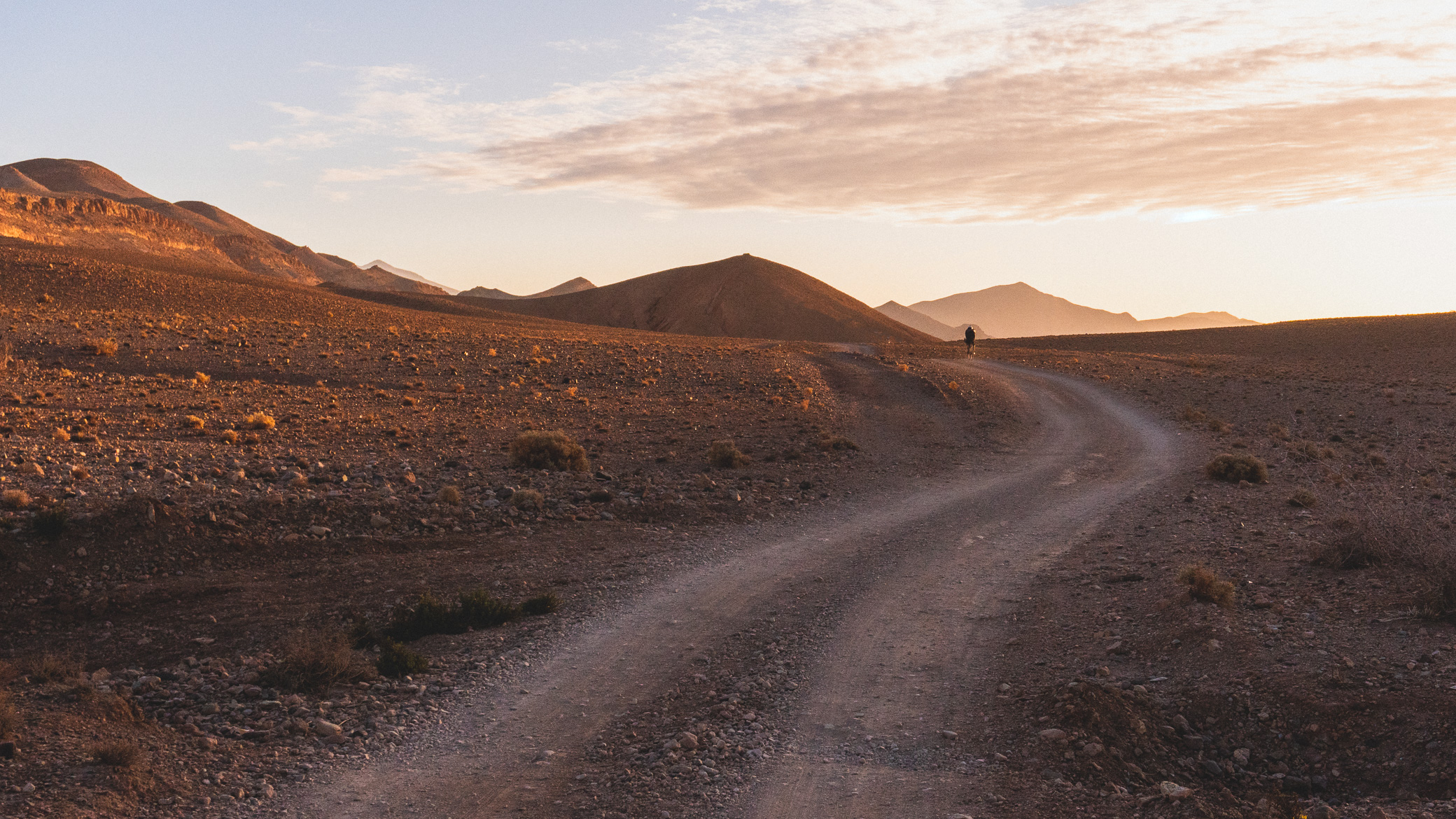
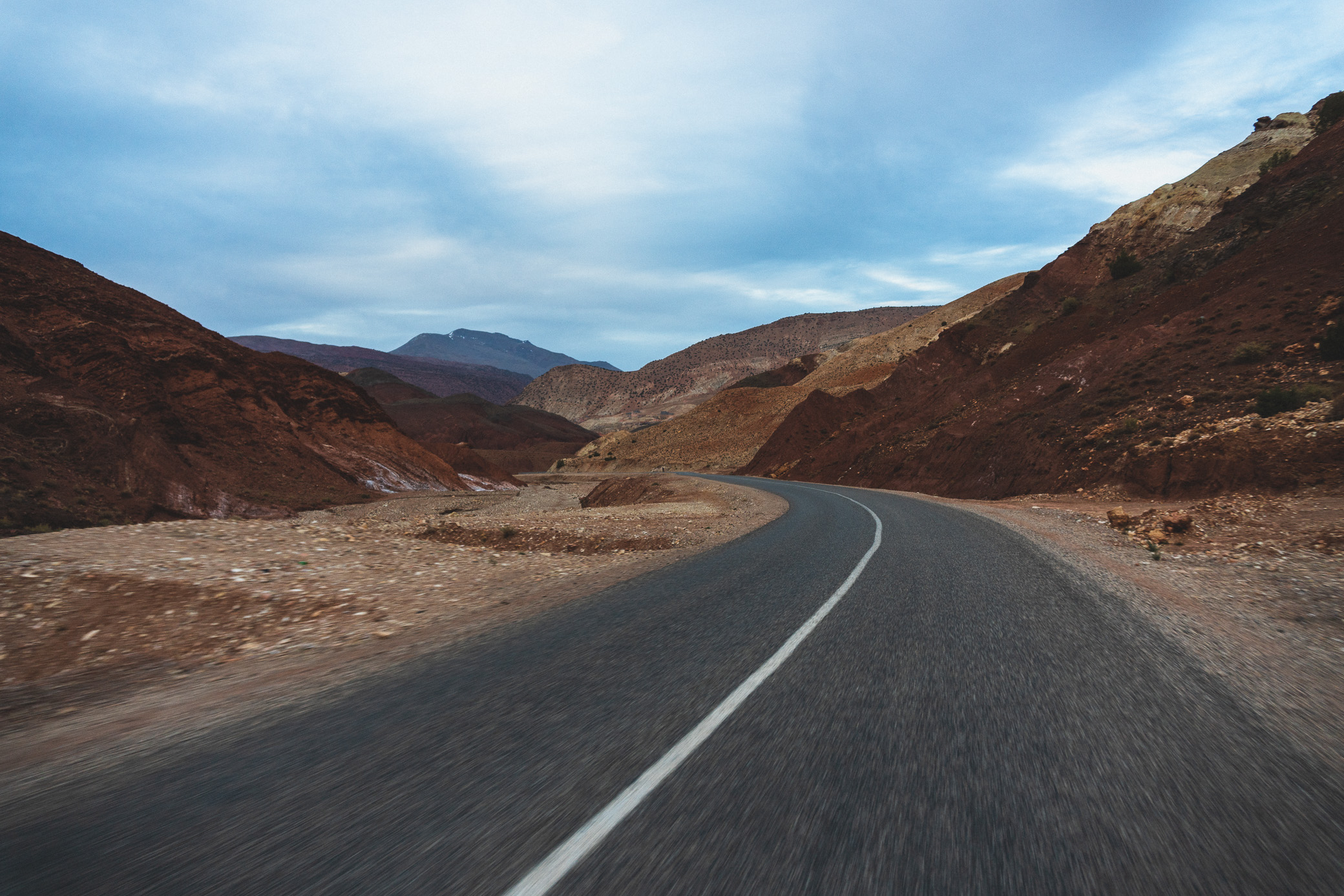
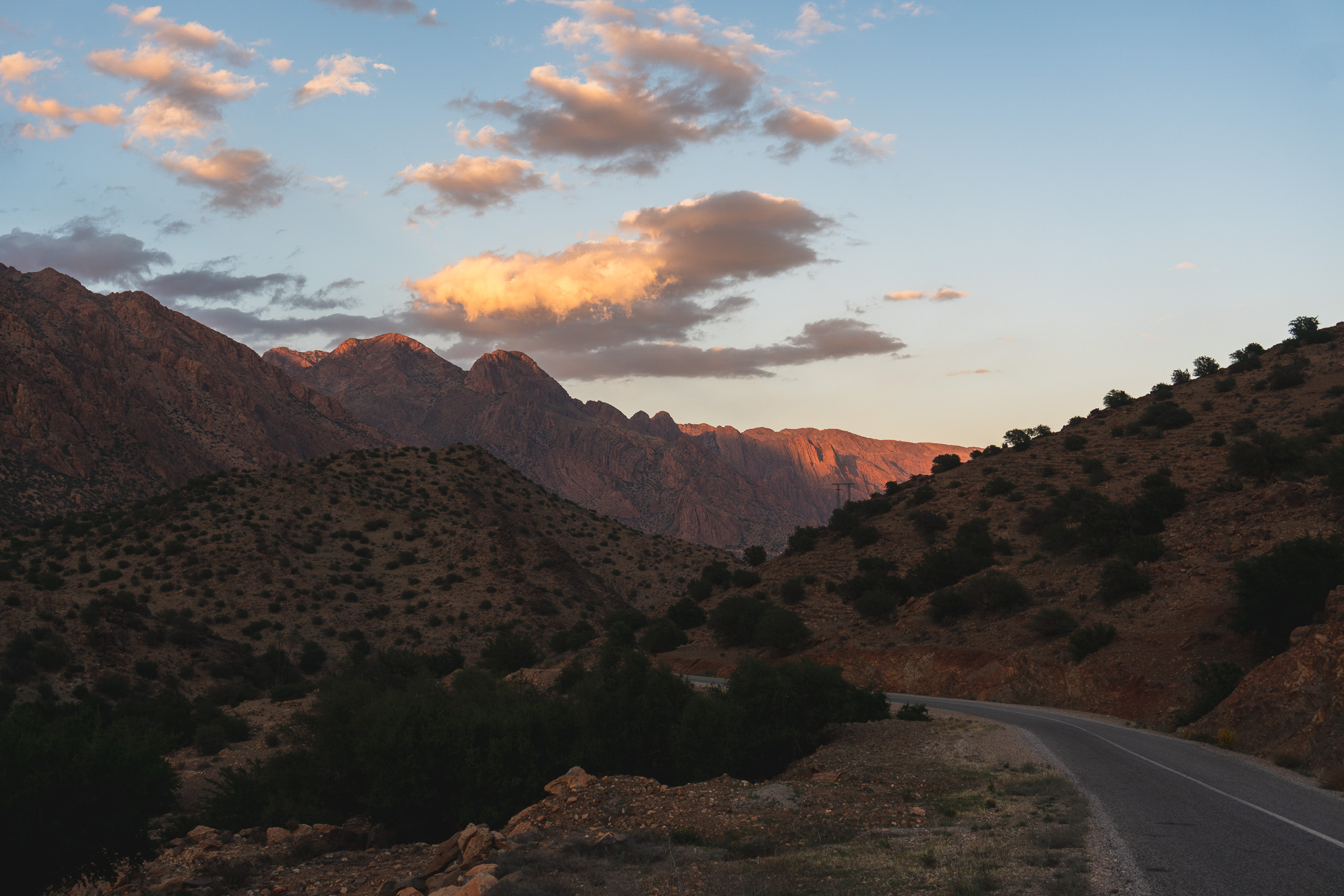
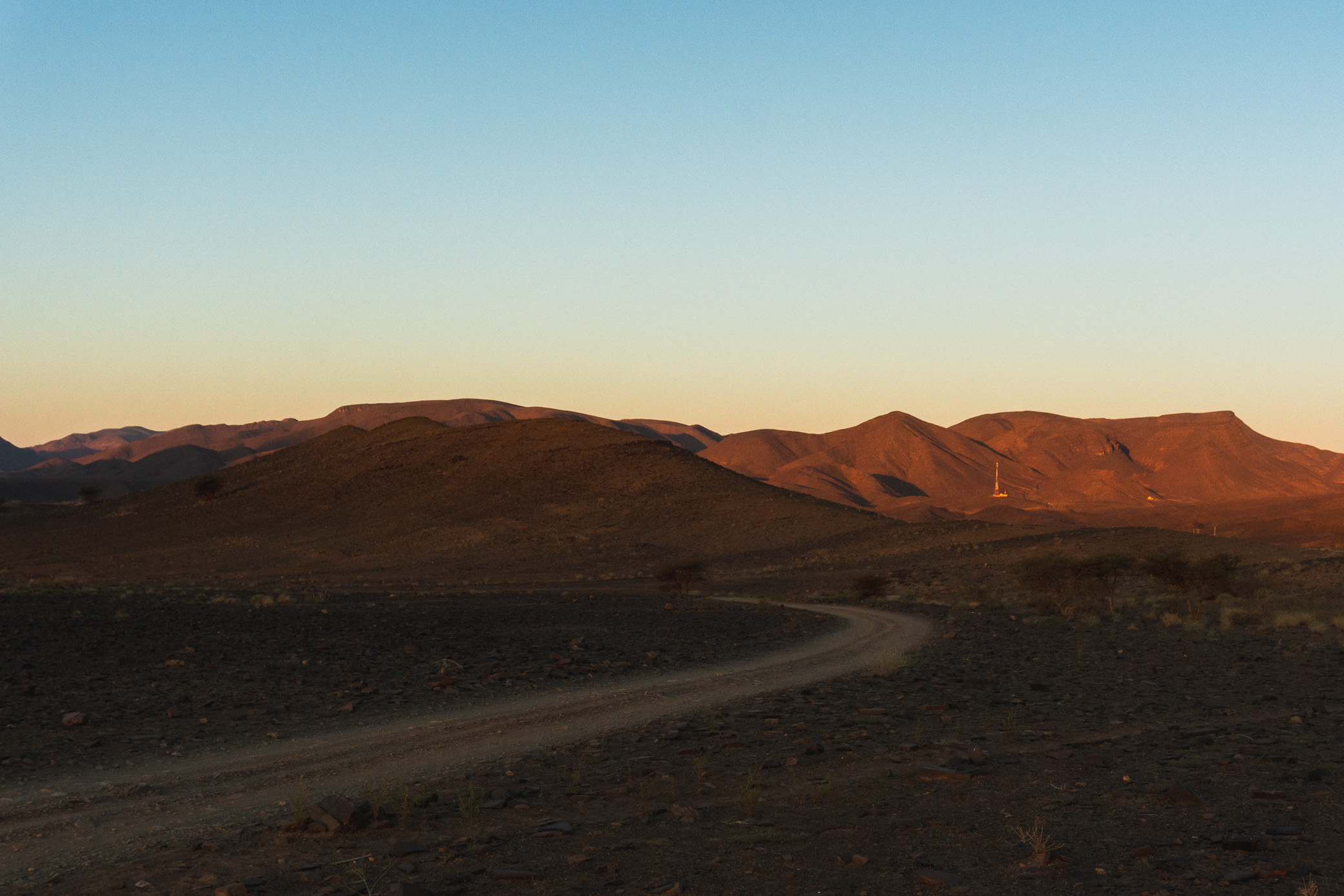
    Browse our website or drop us an email with your requirements & we’ll be happy to help.[/vc_column_text][vc_gallery type=”parallax_image_grid” images=”17224,16126,16720,16445″ img_size=”600×400″][vc_row_inner column_margin=”default” text_align=”left”][vc_column_inner column_padding=”no-extra-padding” column_padding_position=”all” background_color_opacity=”1″ background_hover_color_opacity=”1″ font_color=”#000000″ column_shadow=”none” column_border_radius=”none” column_link_target=”_self” width=”1/1″ tablet_width_inherit=”default” overlay_strength=”0.3″ column_border_width=”none” column_border_style=”solid” bg_image_animation=”none”][vc_column_text]

    How to Secure Your Tour Place

    Complete the form below and we’ll be in touch with any further information and with payment details for your €100 refundable deposit. Remember, 50% of the balance is due on the 31st January, but up until then we’ll give you your deposit back if you change your mind or can no longer travel.

    You can also book your favourite tour online![/vc_column_text][/vc_column_inner][/vc_row_inner][/vc_column][/vc_row][vc_row type=”in_container” full_screen_row_position=”middle” column_margin=”default” scene_position=”center” text_color=”dark” text_align=”left” overlay_strength=”0.3″ shape_divider_position=”bottom” bg_image_animation=”none”][vc_column column_padding=”padding-5-percent” column_padding_position=”all” background_color=”#808080″ background_color_opacity=”1″ background_hover_color_opacity=”1″ font_color=”#ffffff” column_link_target=”_self” column_shadow=”none” column_border_radius=”none” width=”1/1″ tablet_width_inherit=”default” tablet_text_alignment=”default” phone_text_alignment=”default” overlay_strength=”0.3″ column_border_width=”none” column_border_style=”solid” bg_image_animation=”none”][gravityform id=”1″ title=”false” description=”false” ajax=”false”][/vc_column][/vc_row][vc_row type=”in_container” full_screen_row_position=”middle” column_margin=”default” scene_position=”center” text_color=”dark” text_align=”left” overlay_strength=”0.3″ shape_divider_position=”bottom” bg_image_animation=”none”][vc_column column_padding=”no-extra-padding” column_padding_position=”all” background_color_opacity=”1″ background_hover_color_opacity=”1″ column_link_target=”_self” column_shadow=”none” column_border_radius=”none” width=”1/1″ tablet_width_inherit=”default” tablet_text_alignment=”default” phone_text_alignment=”default” overlay_strength=”0.3″ column_border_width=”none” column_border_style=”solid” bg_image_animation=”none”][toggles style=”default”][toggle color=”Accent-Color” title=”Special Offer Terms & Conditions”][vc_column_text]This offer is not valid for private & bespoke tours or for tours rolling out in January, February & March 2021.

    Your €100 deposit is fully refundable until the 31st January when 50% of the balance is due. The final balance due 2 months before the start date of your tour.

    Until the 31st January 2021 we will refund your deposit or transfer it to an alternative tour of your choice.[/vc_column_text][/toggle][/toggles][/vc_column][/vc_row]

  • Coronavirus & Your Cycling Holiday

    Updated on 17.03.2020

    We understand you may have questions about the Coronavirus & taking a cycling holiday with Eat Sleep Cycle.The safety of our guests and guides is our top priority & we are working with our guests on a case by case basis as the situation develops.

    We are in communication with our local travel authorities, our insurance companies, other travel businesses and also staying on top of official communications from the origin countries of our guests including the UK, USA, Australia, Spain and Canada.

    Our primary concern is the safety of our valued guests and we will follow advice from both local and guest country origin authorities. If these bodies advise against travel to the area of your tour during the time that your tour is scheduled we will communicate the next steps in accordance with our Terms & Conditions & obligations as a Travel Agency.

    We are here to help should you have any questions about your upcoming tour, or are thinking about booking a cycling tour.

    Updated Terms & Conditions for New Reservations for 2020

    In light of the uncertainty we have updated our Terms & Conditions to offer guests risk-free reservations for 2020. These new conditions apply to all bookings made after 17.03.2020.

    • Full refunds available up to 7-days before travel for all scheduled tours
    • Full refunds available up to 30-days before travel for all custom tours
    • Full refunds available up to 7-days before travel for all bike hire & girona service reservations.

    See our updated terms & conditions online.

    Am I Protected?

    Eat Sleep Cycle S.L. is a registered Spanish Travel Agency, registration number ESB55305734. This includes financial coverage for losses in case of insolvency by Seguros Catalana Occidente, Policy Number: 8-6.673.112-A & Civil Liability insurance by AXA Seguros, Policy Number: 81701012.

    What We’re Doing to Support the Fight Against Covid-19

    We are staying up to date with & adhering to all guidance from our national Spanish & regional Catalan governments:

    • Our Girona Hub is closed to the public & is now operating an online delivery service.
    • A skeleton staff team are working on site, with others working from home when possible.
    • We’re spreading a message of positivity to cyclists around the world: #keepriding (the turbo will do) & remember the good times riding with your loved ones – they’ll be back sometime soon!

    How You Can Help

    We have been overwhelmed by the messages of support from our guests – thank you so much, it really makes a huge difference to our team morale at this challenging time! If you’re able to, there are many things you can do to help us keep the wheels turning:

    • Share your memories of cycling with Eat Sleep Cycle on your social media channels! Tag us @eat_sleep_cycle & use #keepriding
    • Look ahead to your next cycling trip – book a bike, book a tour for 2020 or even for 2021 – we’ve updated our Terms & Conditions to offer risk free booking for all new reservations. Browse our tours today!
    • Treat yourself to a new kit day on our online shop, or why not order a brand new bike?! Our postal service is running as normal & we’re delivering for free to our Girona community.

    Stay positive & keep dreaming those cycling dreams – see you all on the other side!

    Lee & Louise

    Contact Us

    Our team is available to help on +34 972 754 301, Toll Free from USA & Canada on +1 888 234 72 14 or on WhatsApp at +34 660 867 168, or email us at info@eatsleepcycle.com.

  • Riding the Atlas Mountain Race

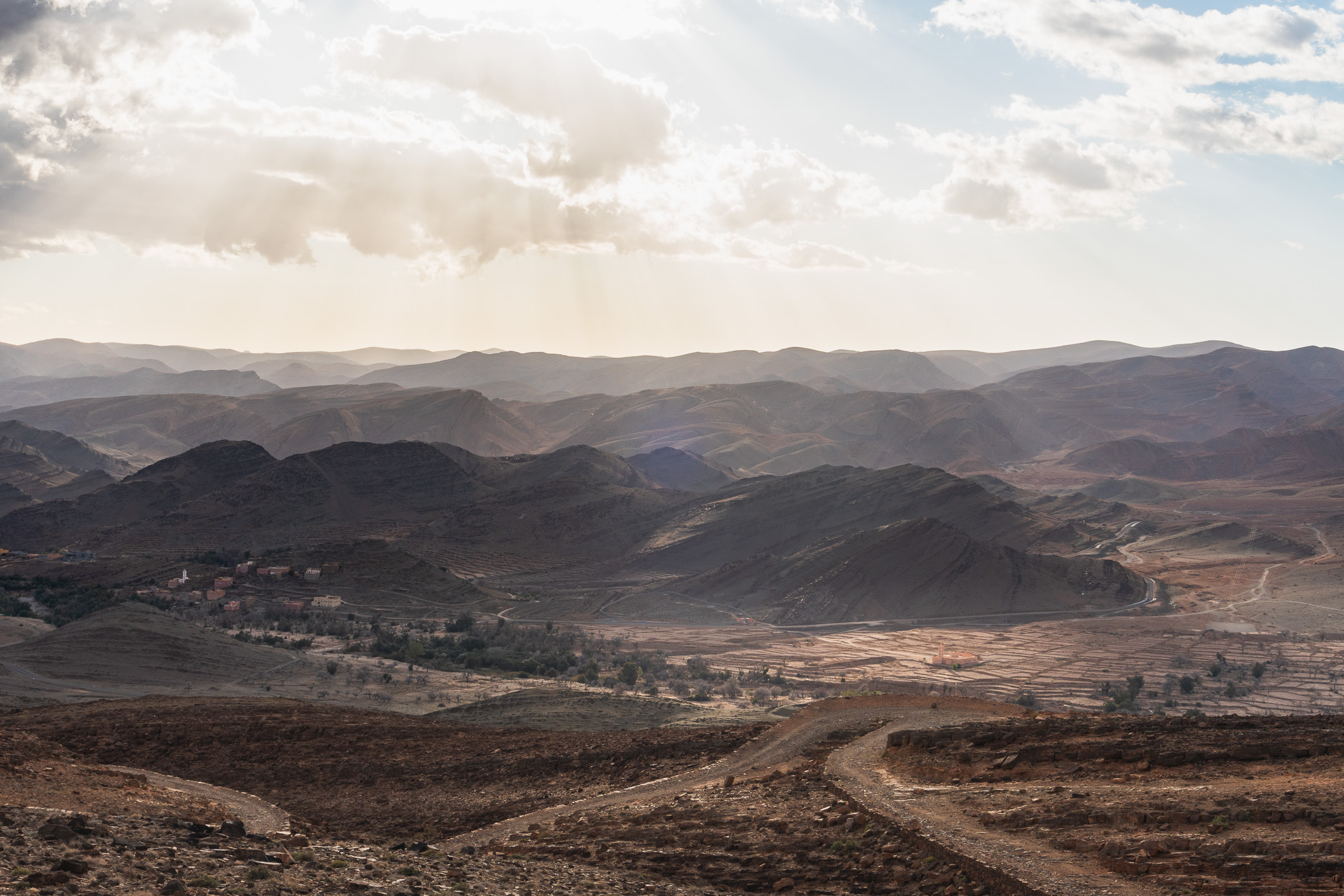
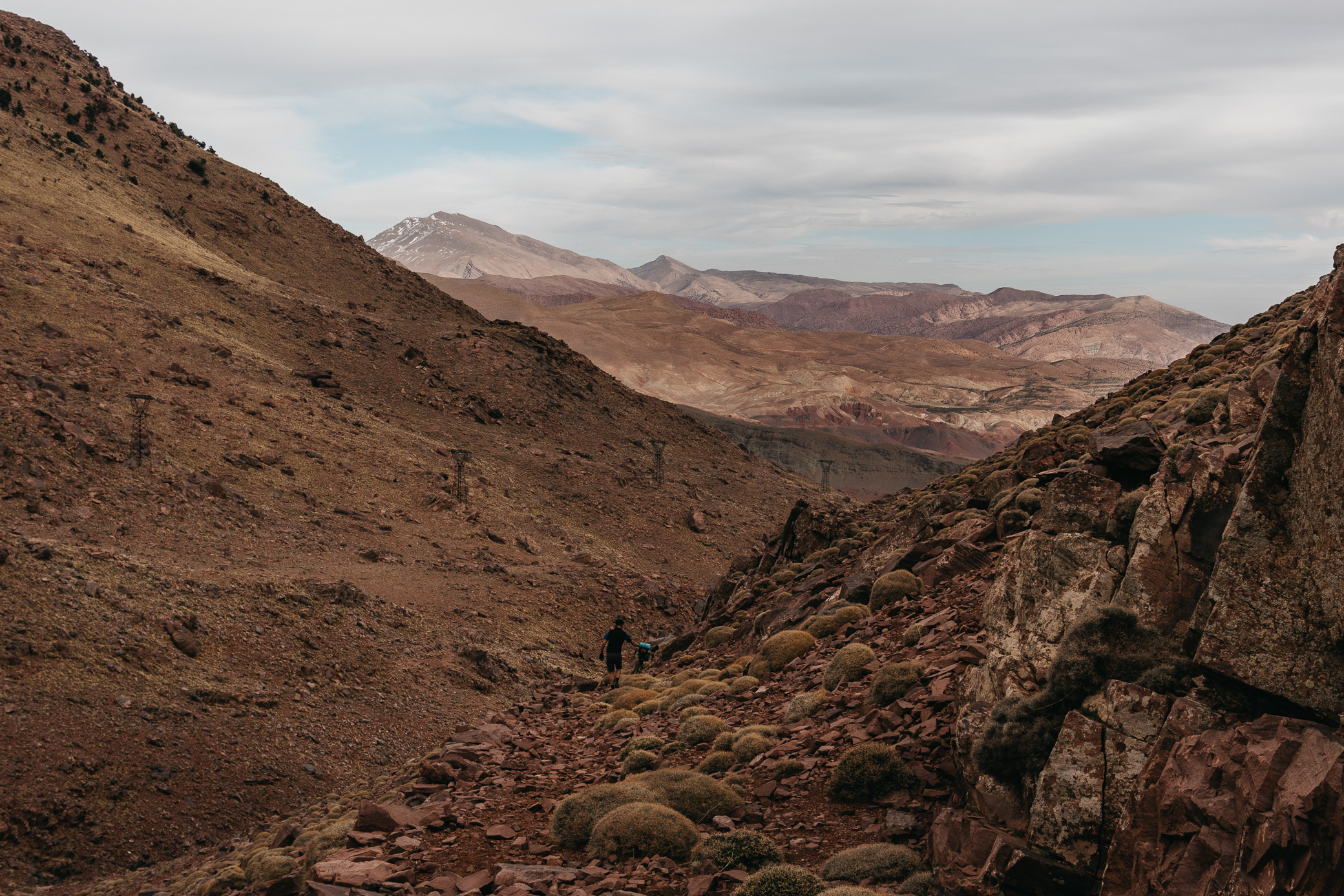
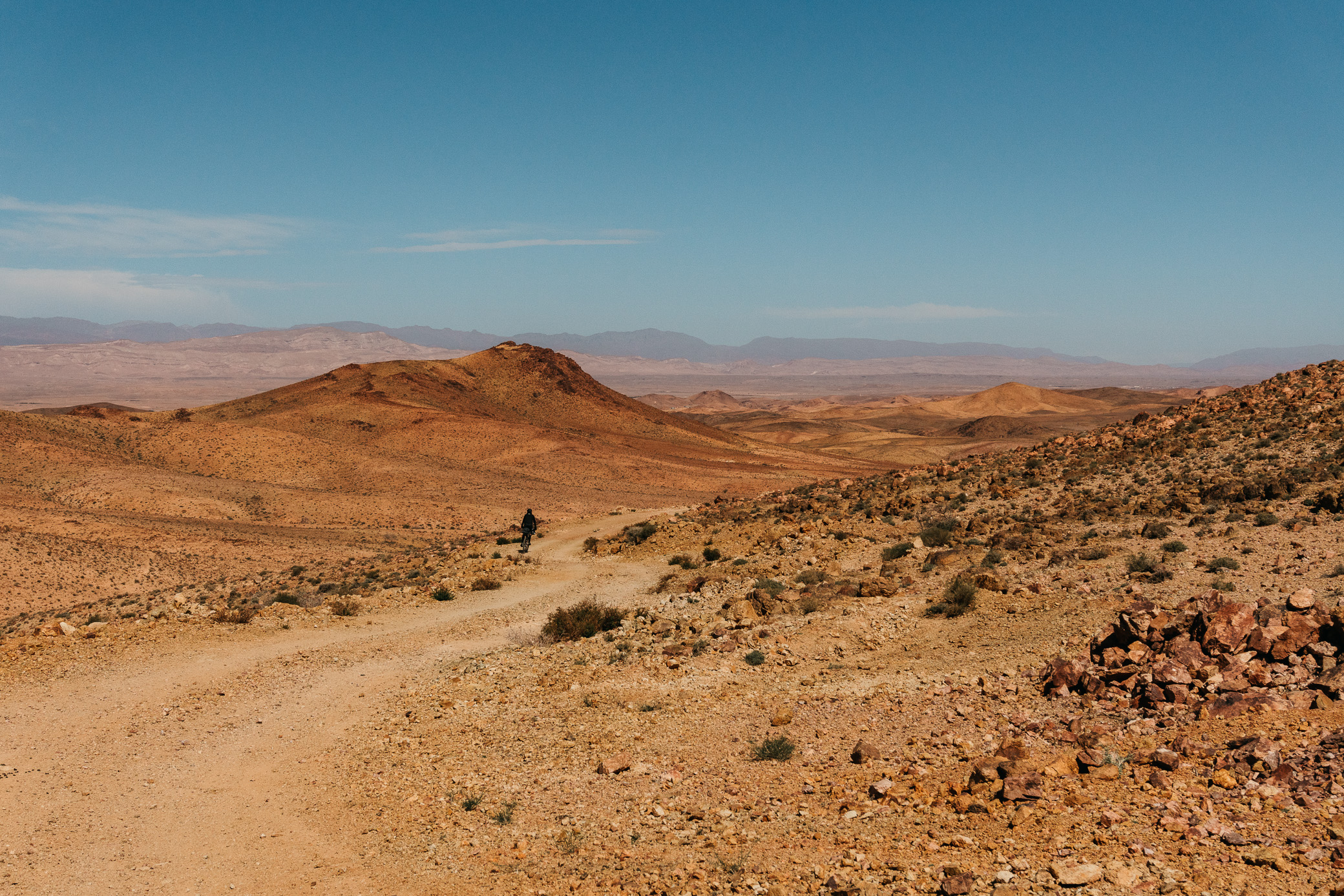
    The Atlas Mountain Race is an unsupported bikepacking race which starts in Marrakesh and heads over the Atlas mountains, through the Anti-Atlas & on to finish on the coast in Agadir. The 1,200 km course follows single track, gravel roads & old colonial pistes. There is plenty of hike a bike & not alot of tarmac. It’s an event riders spend months planning. As well as training to stand a chance of completing the route, kit selection, bike set up, logistics & nutrition planning all come together to play a key part. 

    Just a week before the roll out from Marrakesh Eat Sleep Cycle staff member Daan Van Meuween got a last minute opportunity to enter the race. Taking on such a huge challenge with so little time to prepare was ambitious to say the least. But he calmly made his qucik preparations & got to the startline. Back in the office in Girona, we watched Daan’s steady progress across Morocco. Against the odds Daan completed the event in 6.5 days. Here’s his account of his Moroccan epic. 

    “Prepared to keep going”

    It was at the registration, or it might even have been at the start line when I came up with a tactic for the Atlas Mountain Race; “just keep going”. Looking back, I think it was the single most important piece of preparation. You can get yourself a custom-built bike, test your equipment over a hundred times or get a specific one-year coaching plan, but in the end, the only thing you are going to have to do is move your legs up and down.

    Coming to the realisation that this “unsupported ultra-endurance event through remote mountain areas” was just going to be a few days of moving my legs up and down, gave me some peace of mind and made me feel a bit more comfortable starting this event. I didn’t expect it to be easy, I knew it was going to be hard, but I also knew it was going to be simple. I didn’t have any race-tactic, team strategy or personal goals, the only thing that I would have to do was move my legs up and down till I arrived at the finish.

    Riding my bike is something I have done since forever and there haven’t been many times where I didn’t enjoy riding my bike. There might have been occasions, where I didn’t like the things that came with it, but simply riding my bike is something I always enjoyed and am pretty alright at. I don’t need a big trophy or a goal to work for to get on my bike. Discovering new places and amazing views are definitely something I can appreciate, but they aren’t the only reason I ride my bike. Having true freedom and completely emptying my mind, is something I only experience when riding my bike.

    Figuring this all out in the days leading up to the Atlas Mountain Race made me feel pretty confident when I lined up for the start on Saturday. I had a good night of sleep the night before and I was feeling relaxed. Somehow I was starting a really tough and not completely non-dangerous event, in which I had zero experience and with very little preparation. I felt a bit ignorant and stupid, standing there between riders with way more experience and preparation. The next few days were gonna show me if I was indeed ignorant and stupid or I could move my legs up and down for almost 1200 km through challenging terrain.

    When everybody took off on that Saturday morning, I knew I was alone. I might have been riding the same route together with 180 people and from time to time, I would ride next to somebody else and talk a bit with them, but it didn’t matter. It was just me, riding my bike from the moment I got up, till the moment I went to bed. The race turned out to be completely different, a lot harder, more technical and packed with more struggles and obstacles than I originally expected. For example, 96 km with only 2L of water turned out to be a lot harder than I thought. The same goes for riding 40 mm tyres on a dried-out river bed.

    Although it was hard, challenging and a tiny bit unpleasant at times, it was never complicated. The only thing I had to do was move my legs up and down, (or push my bike up a hike-a-bike section). For six and a half-days that was the only thing I did. Ride till I got tired, get some sleep and start riding again. My phone didn’t come out of my pocket for much more than checking the route, partly because I rarely had any signal, but mainly because I didn’t think about anything else, other than riding my bike. For six and a half-days my mind was completely empty, I rarely thought about anything else other than riding my bike.

    The Atlas Mountain Race was truly unique and left me with forever lasting memories. Riding through completely empty deserts, going over high-mountain passes, sleeping under a sky full of stars and riding on trails where most people wouldn’t even walk, will leave you with stunning images (even more if I had actually taken the time to take some more pictures). However, the thing that impressed me most and will stay with me forever, is the pleasure I got out of simply riding my bike and doing nothing else for six and a half days.


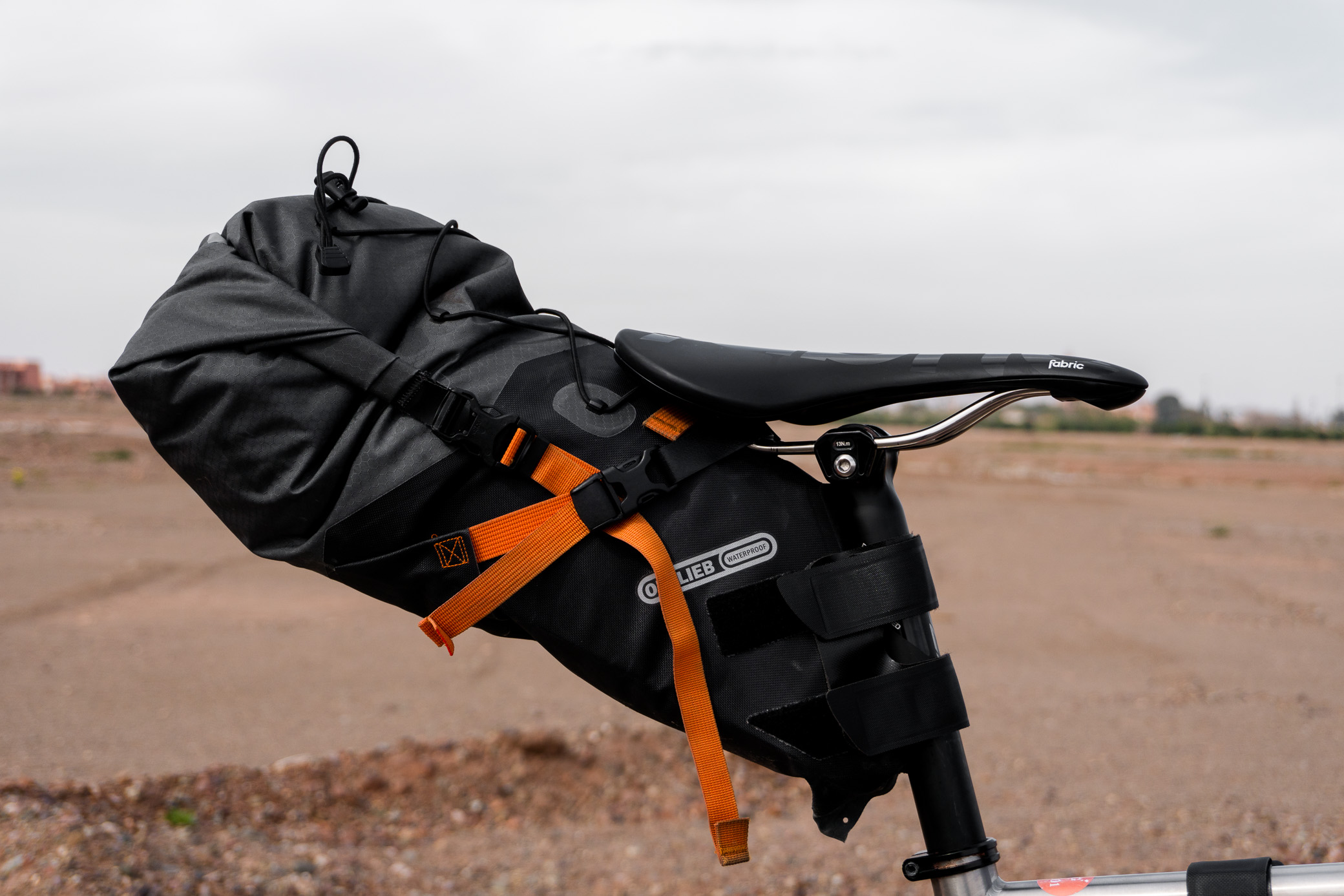
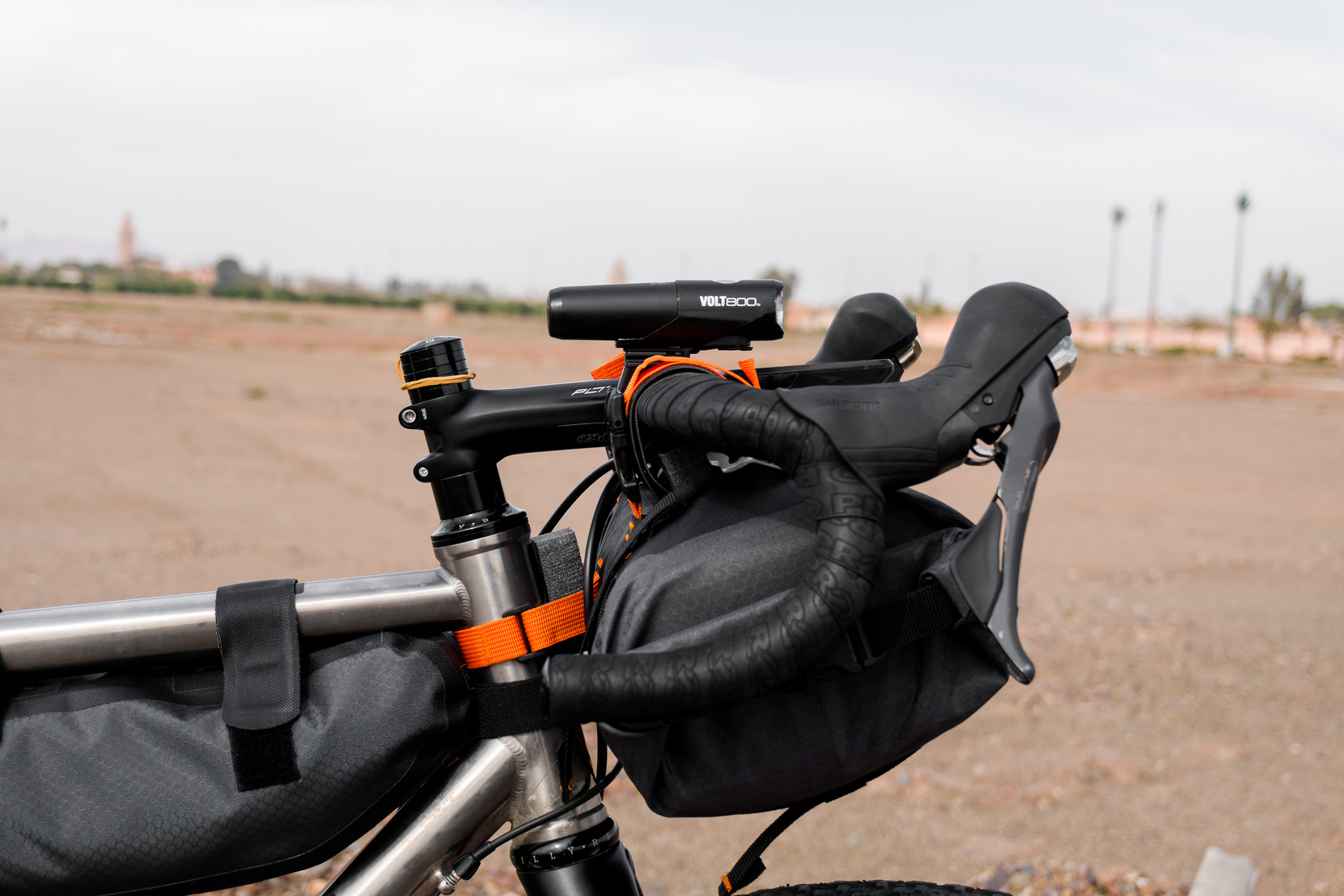
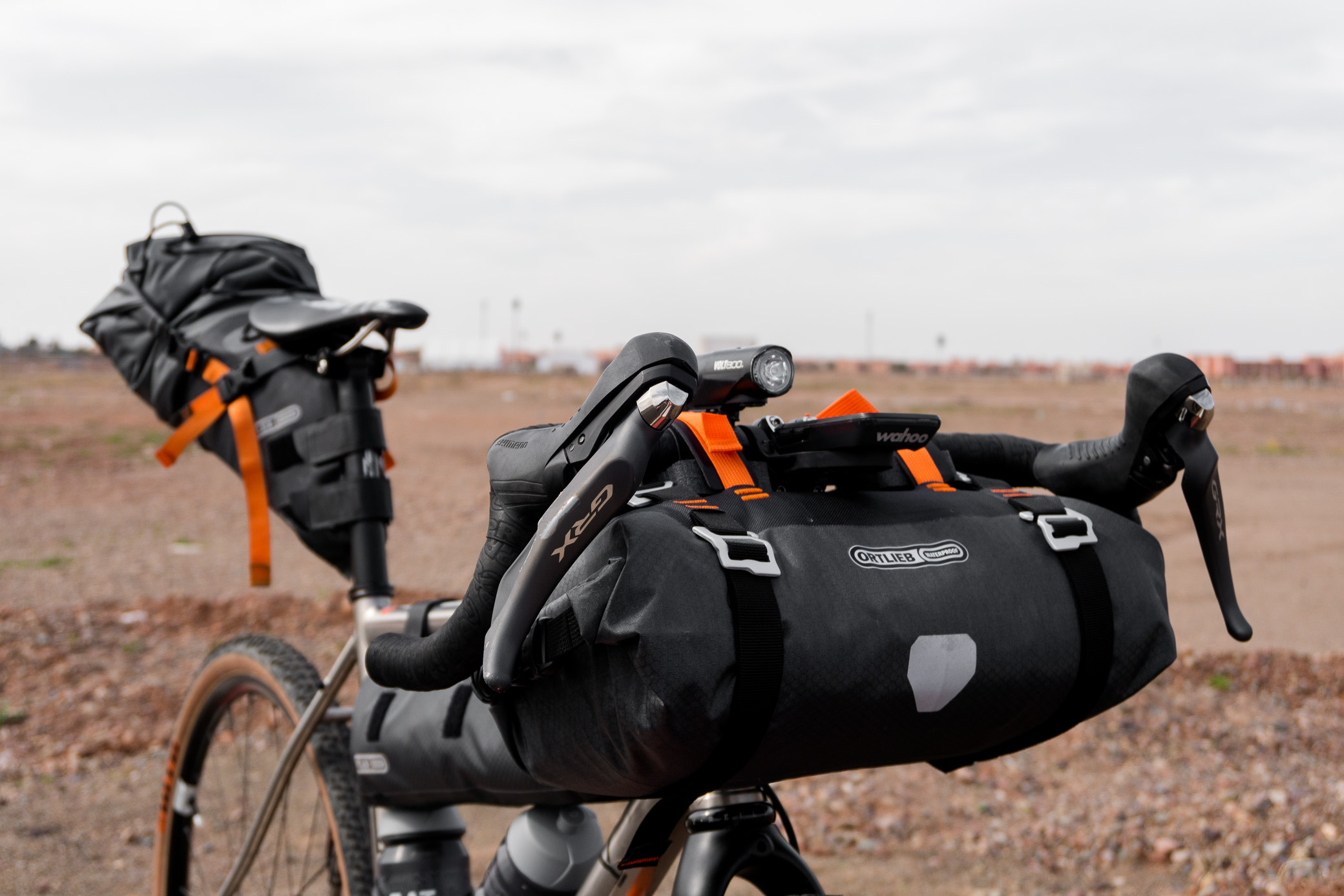
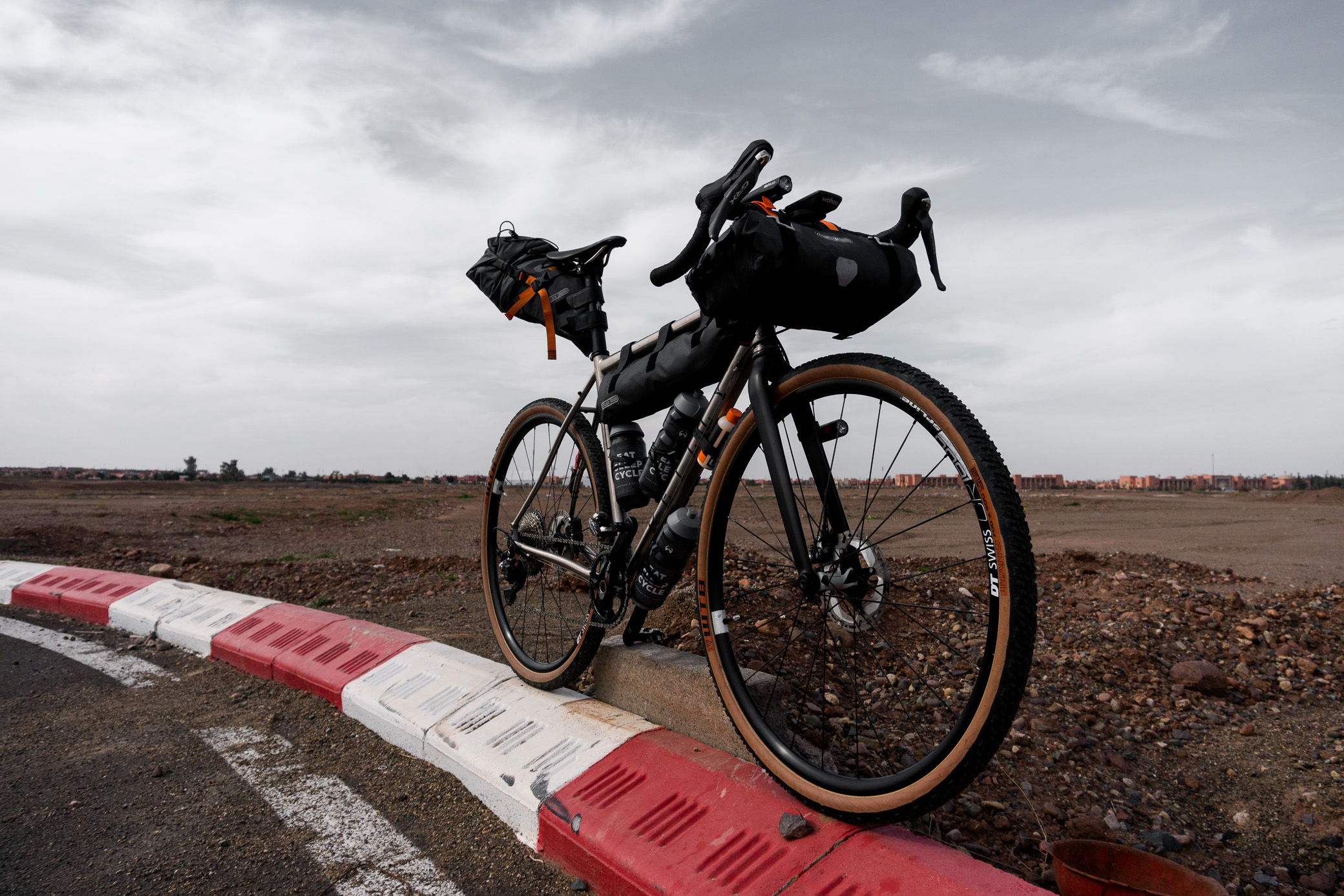
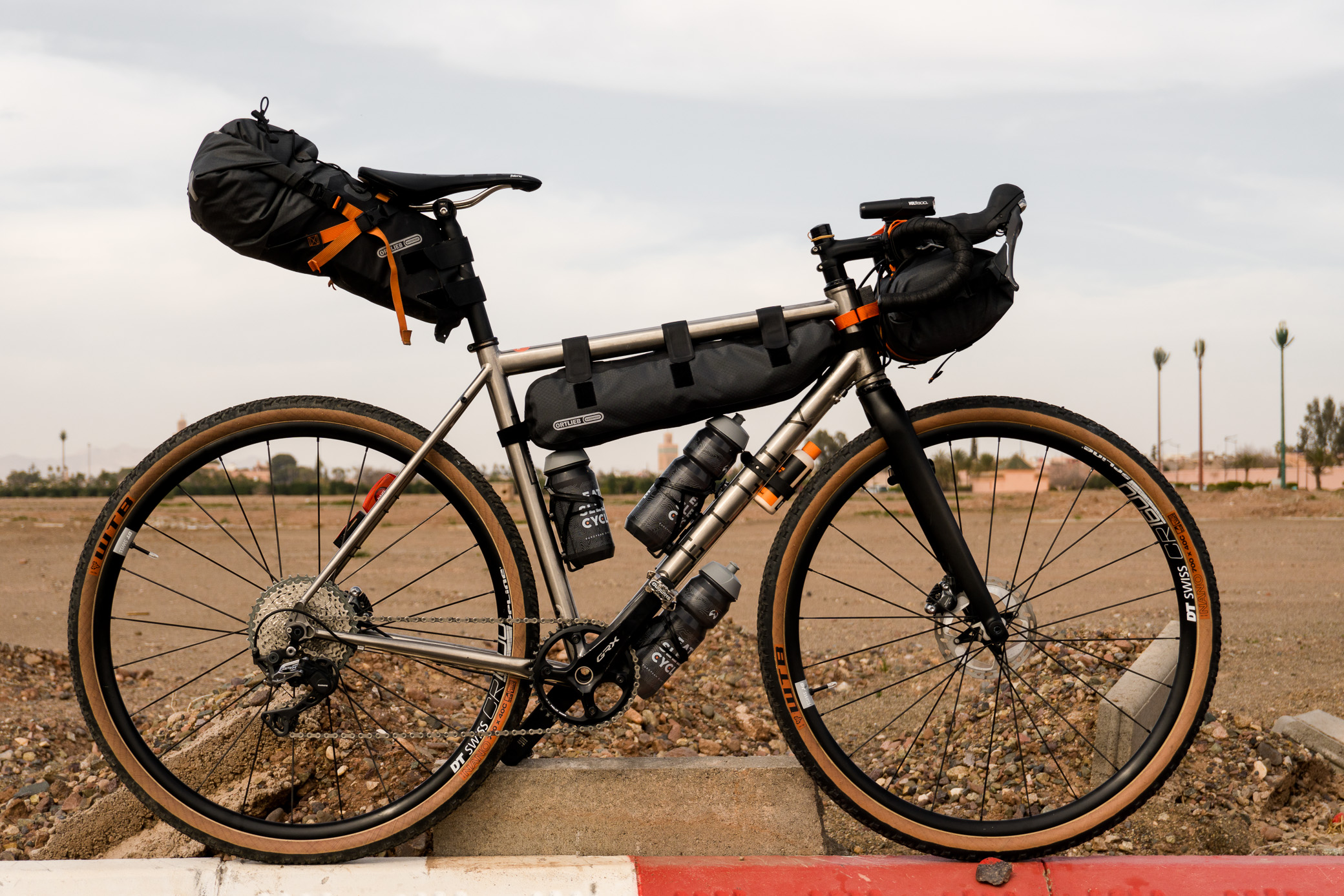
    The Bike: Reilly Gradient GRX

    • Shimano GRX 1×11 Groupset
    • DT Swiss CR1600 Wheelset
    • WTB Nano 40 Tubeless Tyres
    • Pro cockpit and seatpost with Fabric Saddle
    • Ortlieb saddle-, frame- and bar bag

    Packing List

    • Sleeping System
      • Sea To Summit UltraLight ASC Mat
      • Nomad Pegasus Sleeping Bag
      • MSR e-Bivy
    • Clothing (way too much as it turned out)
      • synthetic puffer jacket
      • Clean pants, socks and T-shirt for sleeping
      • 1 pair of bibs and jersey
      • Merino baselayer and extra warm baselayer
      • Merino buff and legwarmers
      • Warm jacket and rain jacket
      • 2 pair of gloves
    • Spare parts and repair kits
      • Fabric multitool with chain breaker
      • Opinel knife and Titanium Spork
      • Silicone folding cup
      • 3x inner tubes + tyre and tube patches
      • Tubeless plug + spare fluid
      • Spare chain links and quick links
      • Tape and glue
      • 2 powerbanks + 1 USB charger
      • Cateye front + rear lights
      • As much food as I could carry

    Cycling in Morocco

    If you’re inspired to get off the beaten track and discover the beautiful landscape of Morocco, check out our Atlas Mountain Tour for a safer, fully supported way to discover this incredible country by bike. Give us a call now on +34 972 754 301 or contact us online!

    P.S. Enjoyed this blog? Why not sign up to receive notifications every time we post and get regular updates on our latest tours!
  • Behind the Scenes: Bike Rental Girona

    Back in the summer of 2016 three friends living in Girona pooled their credit cards, hunted for the best deal on the market & bought 7 bicycles. These bicycles were squeezed into an apartment hallway & delivered to the first Eat Sleep Cycle bike rental guests by founders Lee, Louise & Brian. Now, 3 and a bit years on, we’ve expanded from an apartment hallway to fill our Hub in Plaça Catalunya & a few months ago we opened a Service Course to house more bikes as well as our tour vehicles & equipment.

    As the cycling tour season approaches, it’s a great time to reflect on why we work with the brands we work with.

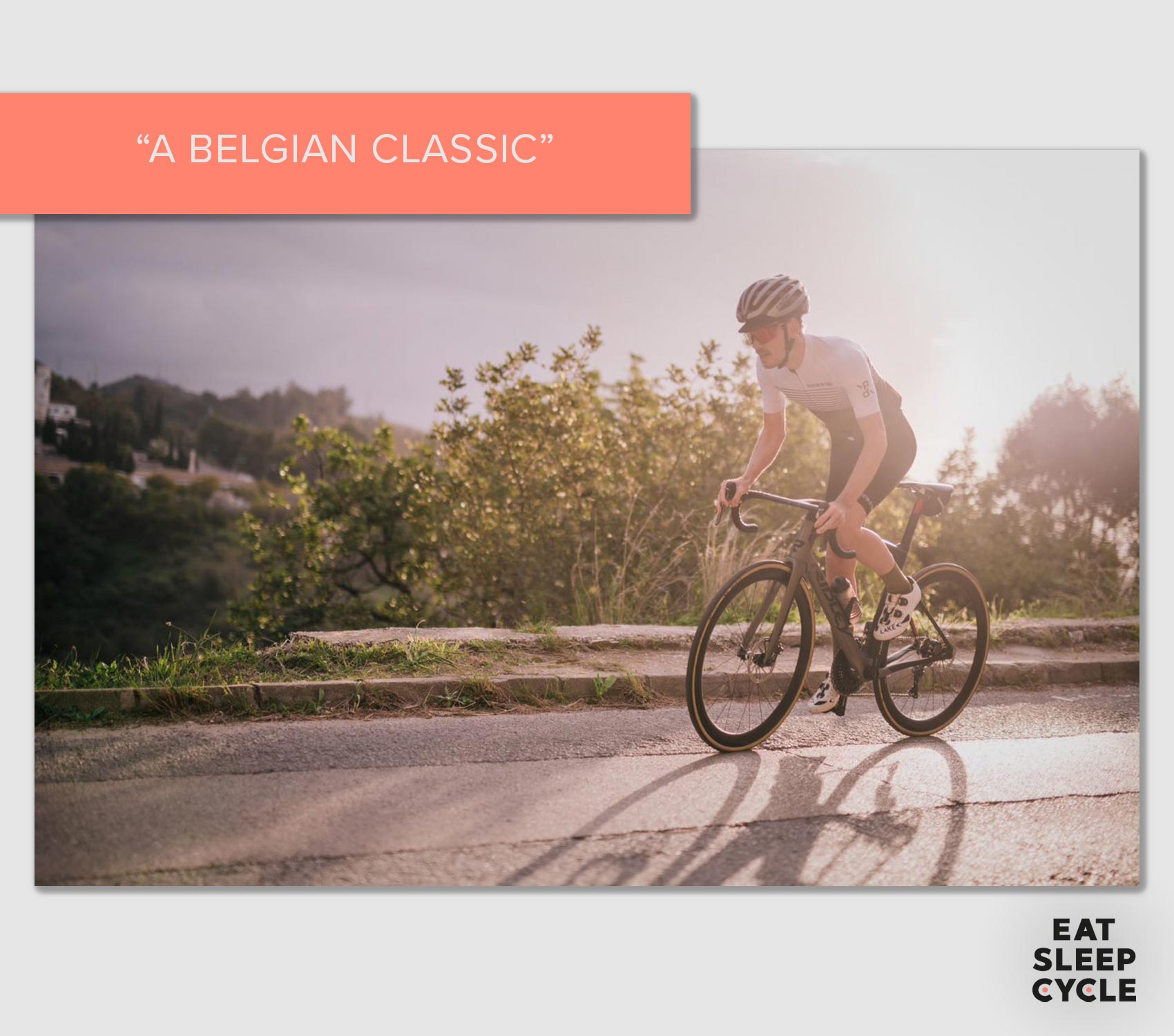
    Ridley: A Belgian Classic

    The core of our rental fleet comes from Ridley bikes. Ridley is based in Flanders, Belgium – the heartland of cycling & home to some of the most spectacular cycling events on the calendar, the Tour of Flanders & Gent-Wevelgem. It is Belgium where kids master the cobblestones by the age of 5, where the country comes to a standstill to watch the Spring Classics. Ridley, like Eat Sleep Cycle, is made up of a team of people who live & breathe cycling.

    Founded by Flandrian Joachim Aerts in 1997, Ridley is a company which has innovation at its core. After racing from the age of 14 to 19, Aerts soon took a different path and learnt bike painting, welding & building. He founded his first bike company in 1994. Staying at the forefront of product design & development is key & their mission is to build cutting edge machines which reflect a riders individuality. To date, Ridley has collected 15 world titles, one for each year since its involvement in professional sponsorship. Ridley is now a household name with top pros riding their bikes, for instance the powerhouse team of Belgium-based Lotto-Soudal making expert use of their bikes.

    In 2017 we were searching for a bike brand to work with here in Girona. Ridley had just signed a sponsorship deal with Irish Pro Continental Squad Aqua Blue. A few of their riders were in town and we kept seeing Ridley bikes flash past. Ridley were not with another shop in Girona, so we got in touch & a new partnership was born. Ridley bikes are a firm favourite with our guests. They have great geometry which works for everyone & are dream to work with for our mechanics.

    Our 2020 Ridley Bikes:

    • Fenix SL Disc – choice of 105 or Ultegra Di2
    • Helium SLX Ultegra Disc
    • Noah Fast Di2
    • Kanzo Adventure Sram Force 1x
    • Ignite
    • Tempo

    Staff rides: Marc – Noah Fast, Nancy – Tempo

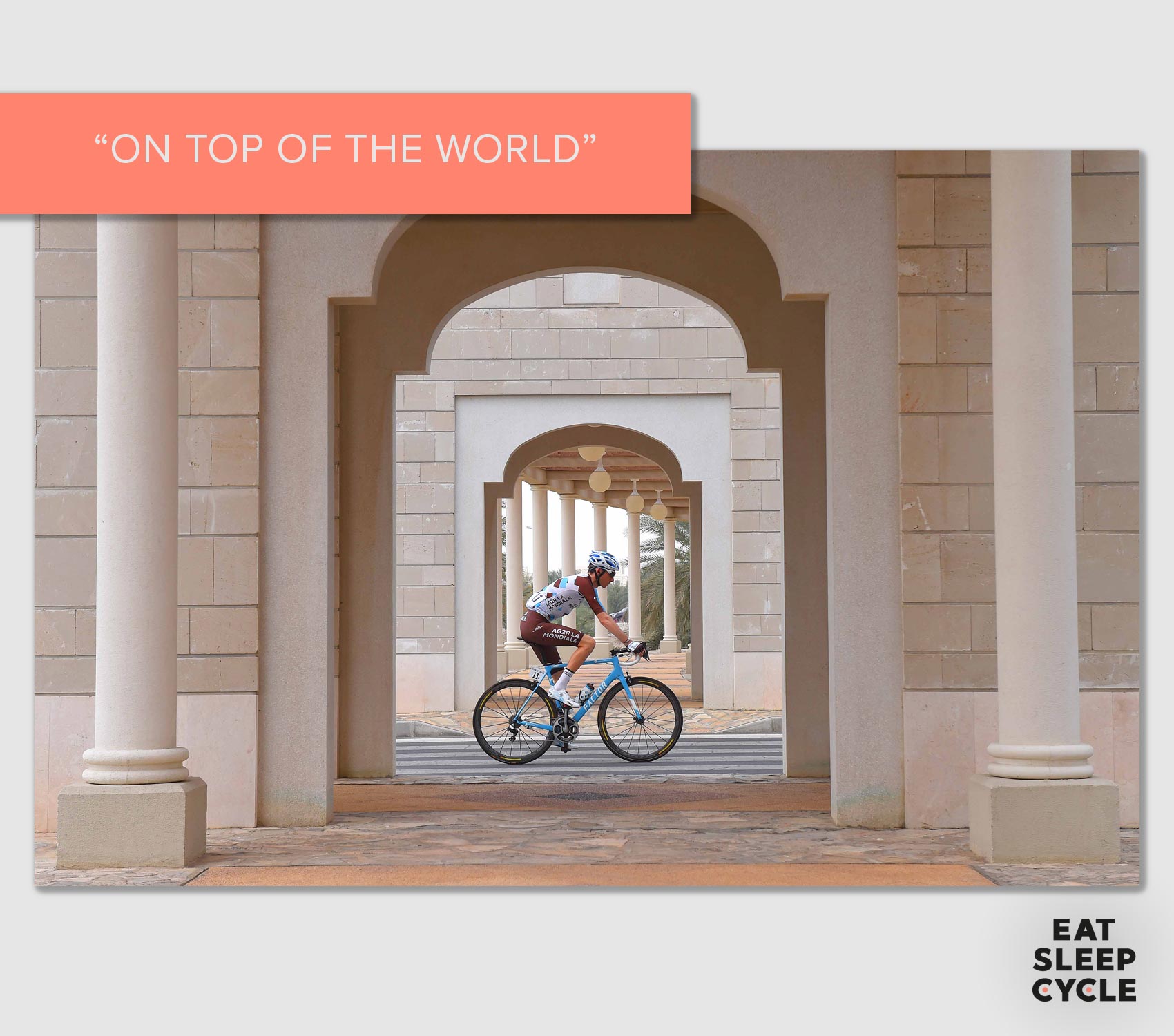
    Factor: On top of the world

    At the beginning of 2019 we were searching for a super-high end bike. We wanted to offer our guests the opportunity to ride one of the best bikes in the world during their tour of a lifetime. At the time we’d just started working with David Millar & his clothing brand, CHPT3. We’d seen David riding around on his beautiful One More Lap design bike and heard good things from riders in teh One Pro cycling team (at the time sponsored by Factor). One Linked in connection request later, and we were in touch with the owner of Factor Rob Gitels.

    Factor Bikes is all about technology & its roots like in motorsport & aviation. In 2007 Factor Bikes was born in an industrial unit in Norfolk, England. Originally an offshoot of bf1systems, Factor began as a leading engineering firm dedicated to working at the highest levels of design with some of the fastest, most prestigious brands in the world including Ferrari, Aston Martin, Lamborghini, Maserati and many F1, Moto GP, and WRC teams.

    In 2009 Factor entered the cycling world with the revolutionary FACTOR001. More pioneering development ensued and in 2012, Factor launched a collaboration with Aston Martin – the Factor ONE-77 £25k Hyper Bike. By 2013 Factor was unveiling its first production bike, the rule-breaking Vis Vires which included a bf1systems-developed power meter, a distinctive Twin Vane split down tube and a split external ‘Dual Bayonet’ fork. The Vis Vires platform debuted to unanimous critical acclaim from both the world’s cycling press and prestigious design award committees.

    In 2014 the Factor engineers turned their attention to developing the next generation of frames, including the ONE & O2. Enter Baden Cooke. A top professional for 14 years, an Olympian & winner of over 50 races, Baden won the Green jersey in the Tour de France in 2003. As he worked with Factor, Baden fell in love with Factor’s vision & ideals. He took the Vis Vires for a test ride & that was it. Shortly after the ride Baden, along with engineer Rob Gitelis, purchased Factor Bikes from bf1systems.

    The work continues and the new generation of Factor bikes continues to innovate & meet the highest demand of luxury performance.

    Our 2020 Factor Bikes:

    • Factor 02 VAM Ultegra Di2
    • Plus Factor 02 Di2 in sizes 46 & 61

    Staff rides: Louise – Factor O2

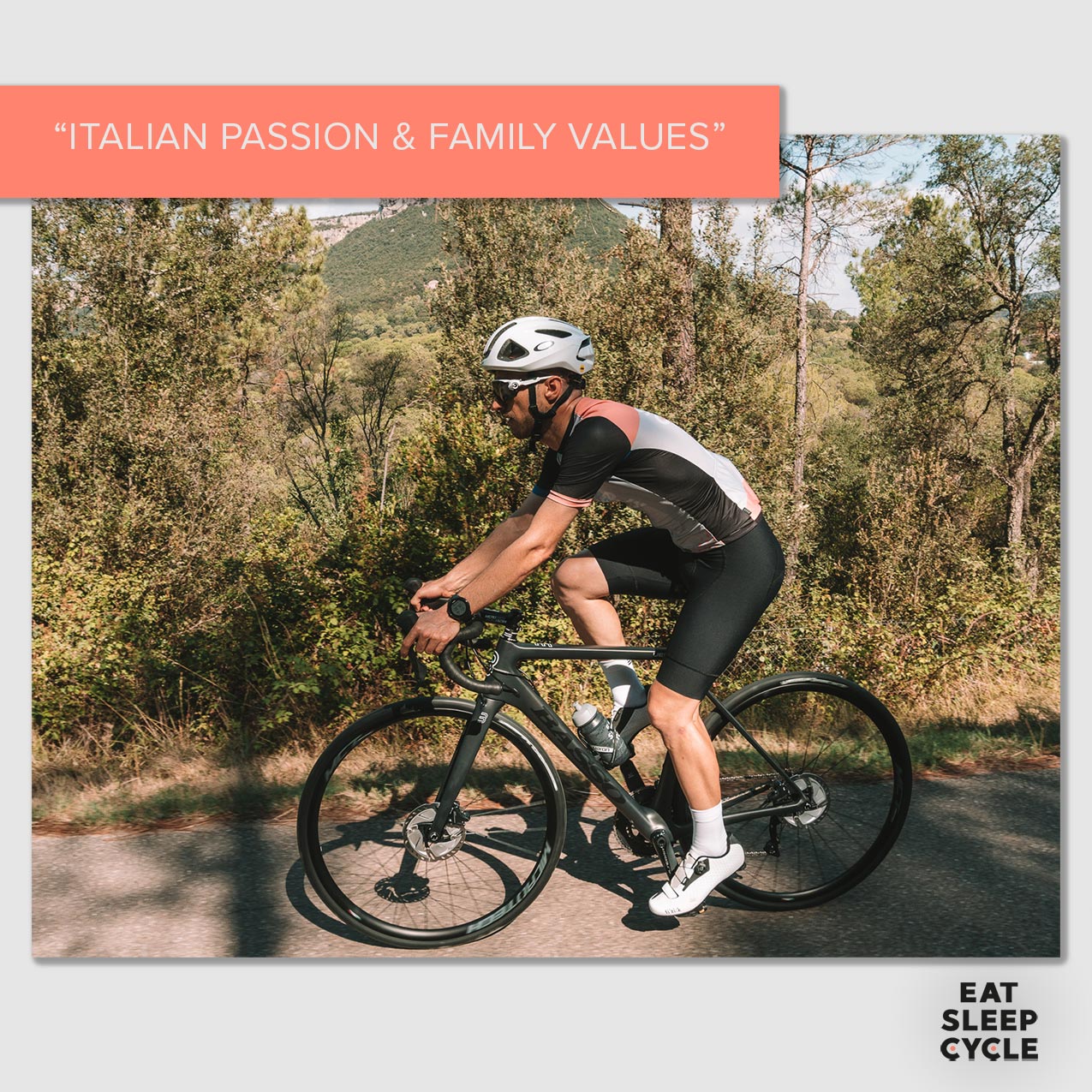
    Basso: Italian Passion & Family Values

    By mid-2019 we had a gorgeous bike fleet made up of a combination of Belgian class & the highest level of British engineering. What we needed next was an injection of Italian passion. Enter Basso.

    Basso is a family run business located in northern Italy, in the shadow of Monte Grappa, in the town of Bassano del Grappa. In 1974 Alcide Basso, the youngest of three sons in the Basso family, started making bicycles in his family’s garage. In 1977 be founded Basso Bikes & was joined a year later by his brother, Marino, when he retired from professional racing. Marino enjoyed an incredible career which saw him win many stages of the Tour of Italy and become World Champion in 1972 with a win that inspired a nation. Marino wanted to offer the public the same tools that professional riders used.

    Alcide had a solid foundation in mechanics from growing up in the workshops of master craftsmen & from working as a mechanic with Marino’s professional teams. He traveled all over Europe and worked with teams like Salvarani, Bianchi & Magniflex. By 1976 Alcide was able to open a retail store & in 1981 he opened the first Basso factory. The combination of Alcide’s talent for mechanics & engineering with Marino’s experience as a professional racer, led Basso bikes to create a unique geometry & ride feel across their range of bikes, which still shine through today. Basso’s are bikes created for racers.

    So in the summer of 2019 we sat down with Alessandro Basso, the son of founder Alcide & got hooked on all things Basso. These a bikes for riders looking for a pure Italian race experience – they are the perfect machines on which to discover the rugged climbs of northern Italy & the rolling hills of Tuscany.

    Our 2020 Basso Bikes:

    • Basso Astra Ultegra Disc
    • Basso Venta Ultegra Disc

    Staff rides: Silvia – Basso Venta, Lee – Basso Astra

    Reilly: Best in Class Titanium Bikes from Brighton, UK

    We were looking for a missing experience for our gravel riders. With a stiff, fast carbon gravel bike from Ridley, perfect for high-octane dashes through the country side of Girona, we were missing a bike which would excel on the technical stuff & provide greater ride comfort. We asked the Gravel kings of Girona & we kept hearing about Reilly, so we got in touch. Enter Phil – all round legend & the guy who keeps things running smoothly at Reilly HQ.

    Reilly is based in Brighton & is the work of renowned UK frame builder, Mark Reilly. Founder of Omega & then Enigma, Mark brings years of frame building expertise to the company. Co-founder Neil Fitzgerald comes from Formula 1 & the third partner, Damon Fischer, looks after graphic & product design. Together they create unique & beautiful bikes focused on creating the best ride experience for the user. Their approach is down to earth & their testing grounds are the rolling Sussex hills around Brighton.

    Our 2020 Reilly Bikes

    • Reilly Gradient GRX

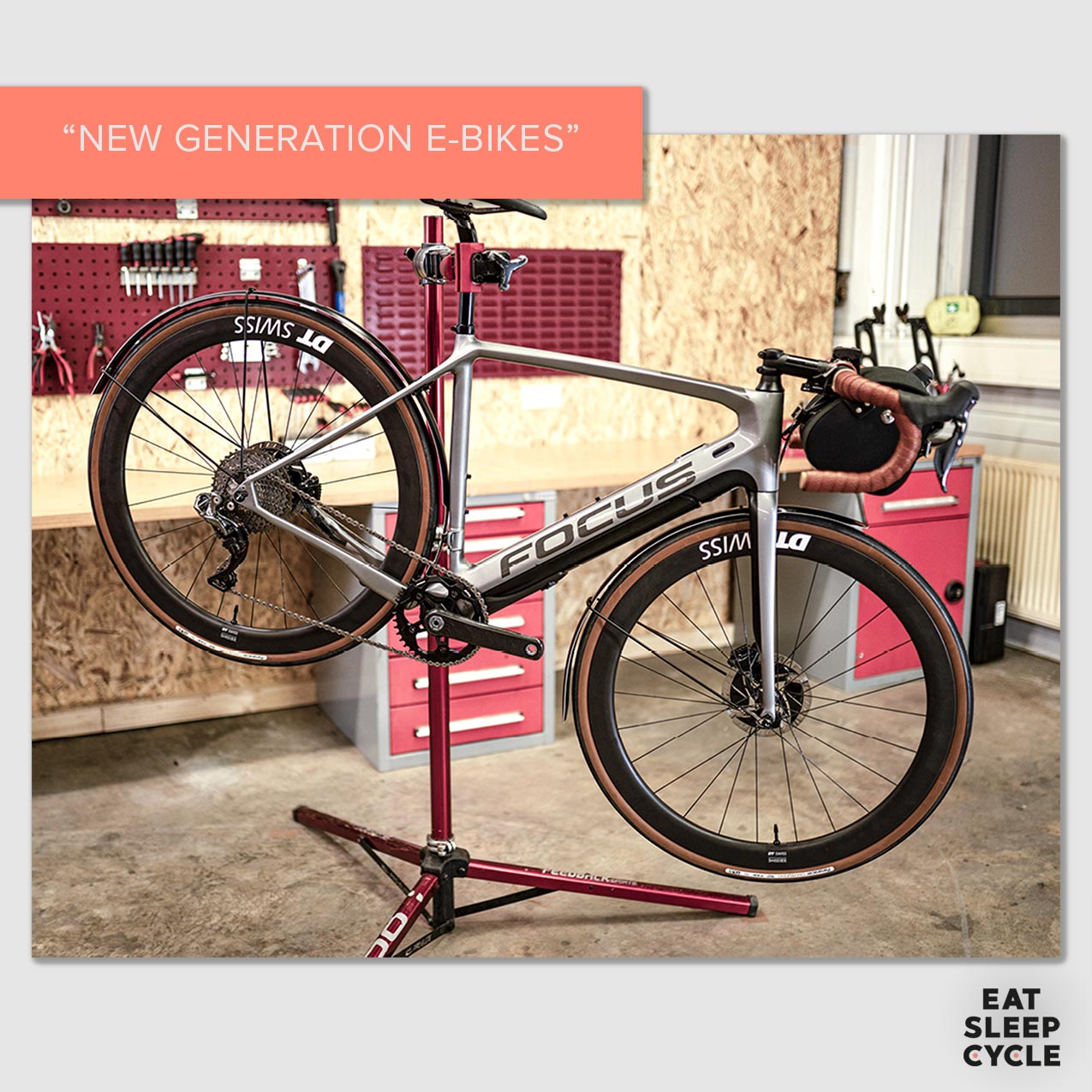
    Focus Bikes: New Generation E-Bikes

    The e-bike is a rising phenomenon in the cycling world with sales outstripping the sales of normal bikes. The e-bike is a fantastic way to level the playing field and for people of different levels to genuinely enjoy riding with each other. E-bikes make long kilometers & incredible landscapes accessible for a whole new group of people.

    German brand Focus have a reputation for solid engineering. Their road e-bike has led the way for the industry & incorporates the latest technology for the lightest e-bike ride on the market. We’re waiting for the delivery of the first batch, so watch this space!

    Our 2020 Focus Bikes:

    • Focus Paralane2 e-road bike
    • Focus Jarifa2 e-hybrid bike

    Book for 2020 Now

    To find out more about our 2020 rental fleet and to book now visit our Girona Bike Hire pages, give us a call now on +34 972 754 301 or contact us online!

    P.S. Enjoyed this blog? Why not sign up to receive notifications every time we post and get regular updates on our latest tours!
  • The 2020 Vuelta a España: Route Preview

    Back for its 75th edition in the summer of 2020 the Vuelta is set to bring thrilling racing to screens around the world. Placed at the end of the season, part of the Vuelta’s charm is its unpredictability. Who will make it to the start line? Who will focus on the Tour or on the Olympics instead? The Vuelta is truly the racers-race, with less pressure on teams to perform as in the Tour de France & more opportunities for the underdog to shine.

    The 2020 Vuelta a España

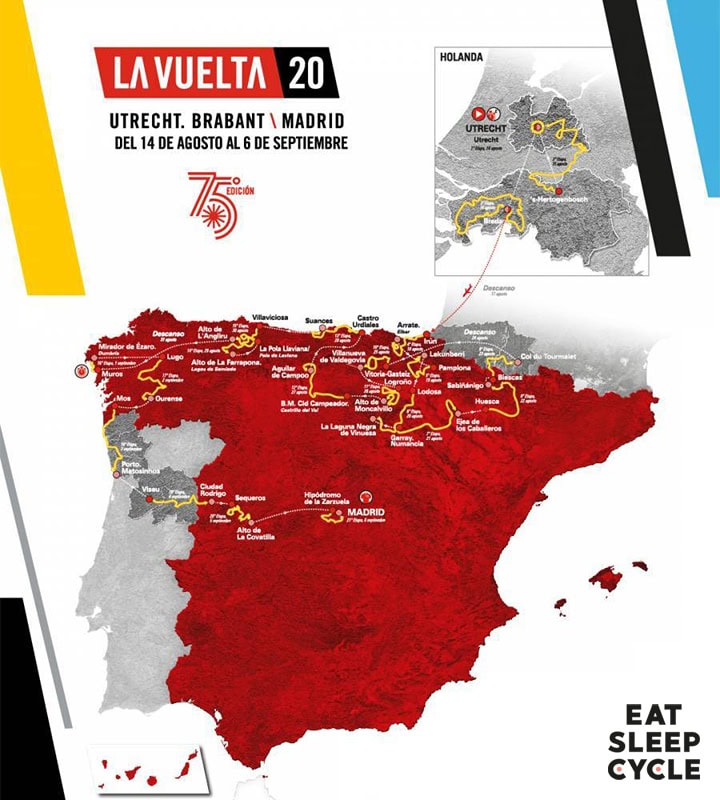
    The third & final Grand Tour on the racing calendar, the Vuelta a España is certain to produce fireworks on yet another explosive course. The 2020 route is an international affair with the race departing from the Netherlands before side-stepping into France (with a summit finish on the mythical Col du Tourmalet) & Portugal (for the first time since 1997) en route.

    The tour departs on the 14th August in the Dutch city of Utrecht with the opening team time-trial. After 3,245 km & 21 stages of grueling racing, the race finishes in Madrid on the 6th September.

    The 75th edition of the Vuelta includes seven steep climbs (one fewer than last year), as well as 11 stages that feature medium to high mountains in Spain and France.

    A Brief History of the Vuelta

    The race was first organized in 1935. 50 entrants faced a 3,411 km course in only 14 stages – a crazy average of over 240 km per stage. The race was inspired by the success of the Tours in France & Italy & was promoted by Juan Pujol of the daily Informaciones newspaper in a bid to increase its circulation. The race was suspended during the Spanish Civil War & World War II, but has since been held annually since 1955. As the Vuelta gained prestige and popularity the race was lengthened and its reach began to extend all around the globe.

    In 1999 the course went up the Alto de L’Angliru in Asturias. Featuring an ungodly section of 23.6% (the Cueña les Cabres), the climb fast built a mythical reputation and secured its place in cycling legend as one of the steepest climbs in Europe: Over just 13 km the road shoots up 1,500 m. Credit for the discovery of this climb and its addition to the Vuelta goes to Miguel Prieto.

    Spaniards have historically dominated the podium of the Vuelta, with Spanish nationals winning 30 out of the 66 editions of the race. Roberto Heras is particularly rampant, with wins in 2000, 2003, 2004 & 2005. France, Belgium, Switzerland, Italy, Germany, the Netherlands, Colombia, Ireland, Russia, Kazakhstan, the United States and Great Britain have also had first-place finishers.

    Riders to Watch – 2020 Vuelta a España

    Fast forward to 2020 & Slovenia’s Primoz Roglic is the defending champion. The 21-year-old Tadej Pogacar, also of Slovenia, will be a focus of attention after winning three stages, the white jersey and finishing third overall on his breakout Vuelta last September.

    Runner up veteran Spaniard Alejandro Valverde is likely to race the Tour de France and the Olympics in July before retiring.

    2020 Vuelta a España – 5 Key Stages

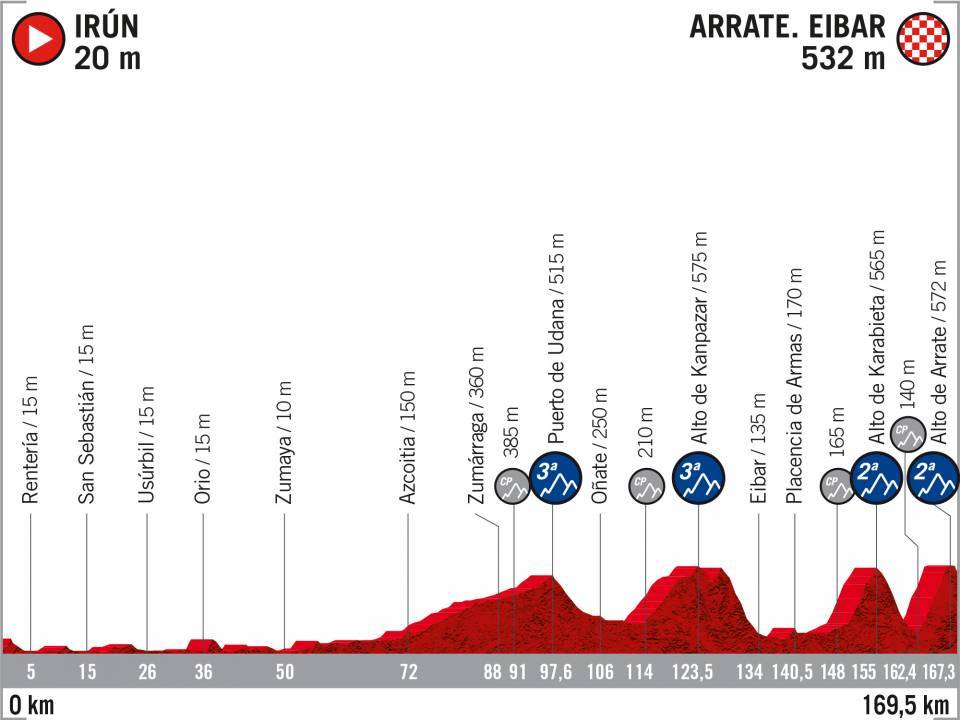
    Stage 4: First summit finish at the Sanctuary of Arrate
    Stage 4 brings the first mountains to the peloton. The final 25 kms feature the succession of the Karabieta Mountain Pass (2nd category) and the Alto de Arrate (2nd category). Two climbs that, though not excessively difficult, will start to mark the first differences in the general classification.

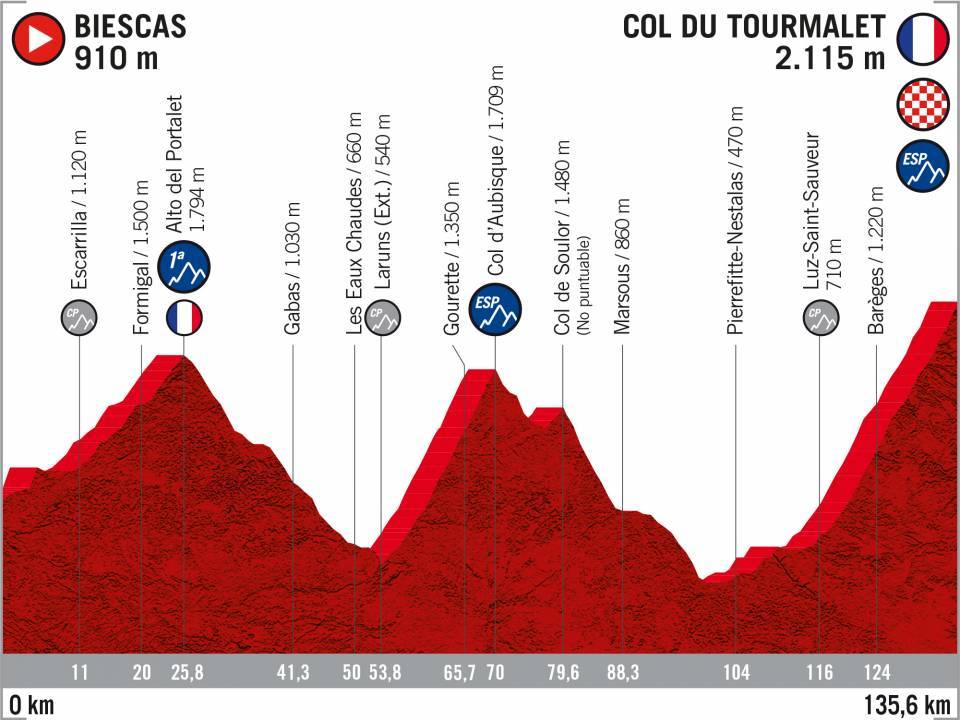
    Stage 9: Summit Finish on the Tourmalet
    A high-mountain stage with constant climbs, descents & very little time to rest. Three important French mountain passes star in this stage: the Col du Portalet (1st category), the Col de l’Aubisque (HC) and the Col du Tourmalet (HC), where riders will fight for a prestigious victory and the GC contenders will have their first out & out battle for red.

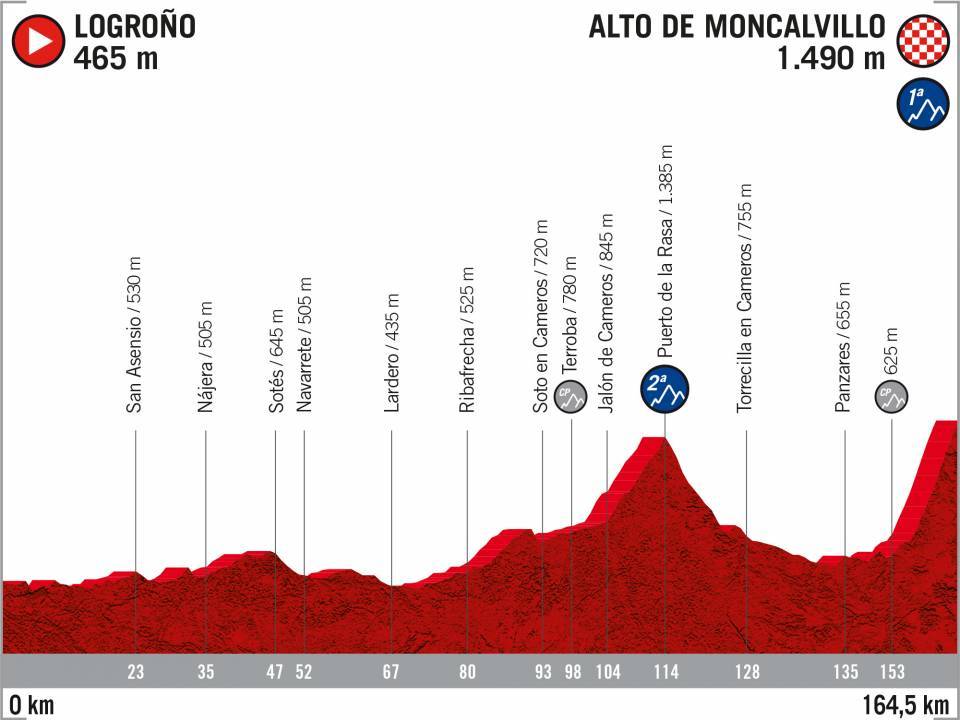
    Stage 11: The Alto de Moncalvillo 
    The first, primarily flat, part will take place among the Logroño vineyards. The climb of the La Rasa mountain pass (2nd category) will wear the riders down, but the unprecedented finale will be decided in the Alto de Moncalvillo, an impressive, demanding mountain pass that is much harder than it looks: extensive, with inclinations between 8-9% and three final kilometres between 13-14%. At this point in La Vuelta any time lost could be crucial in the general classification.

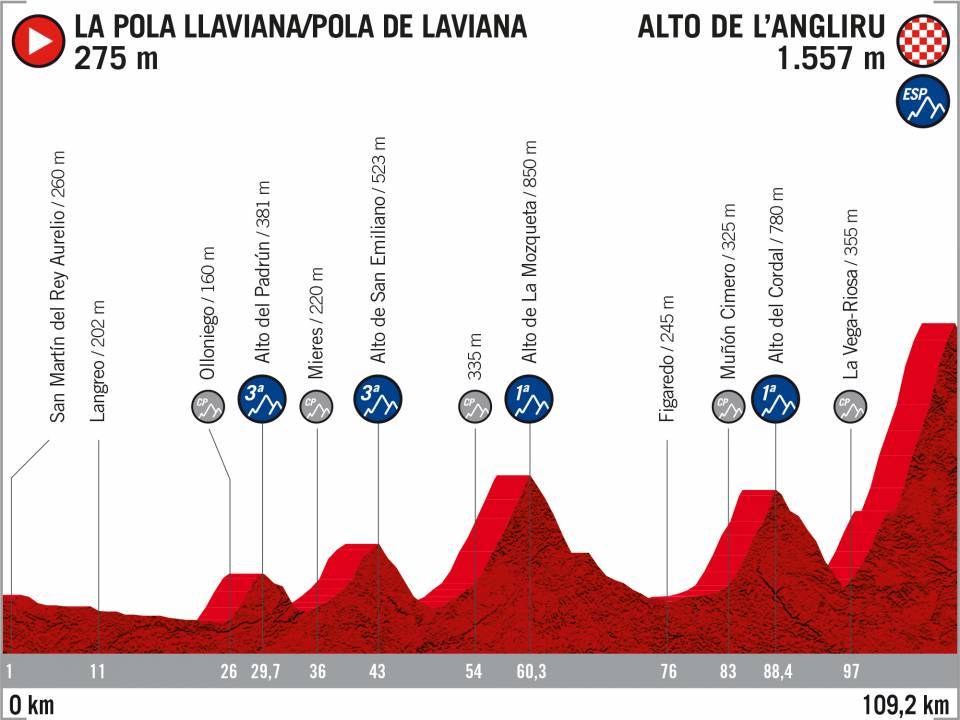
    Stage 15: Summit finish on El Angliru
    A short but exceptionally hard stage with a brutal final section connecting La Mozqueta, El Cordal and L’Angliru. Until then, the leaders will try to control their rhythm and their strength. The Asturian colossus will, again, be the judge of La Vuelta, sentencing those who have a bad day and crowning those who continue to fight for the ultimate victory.

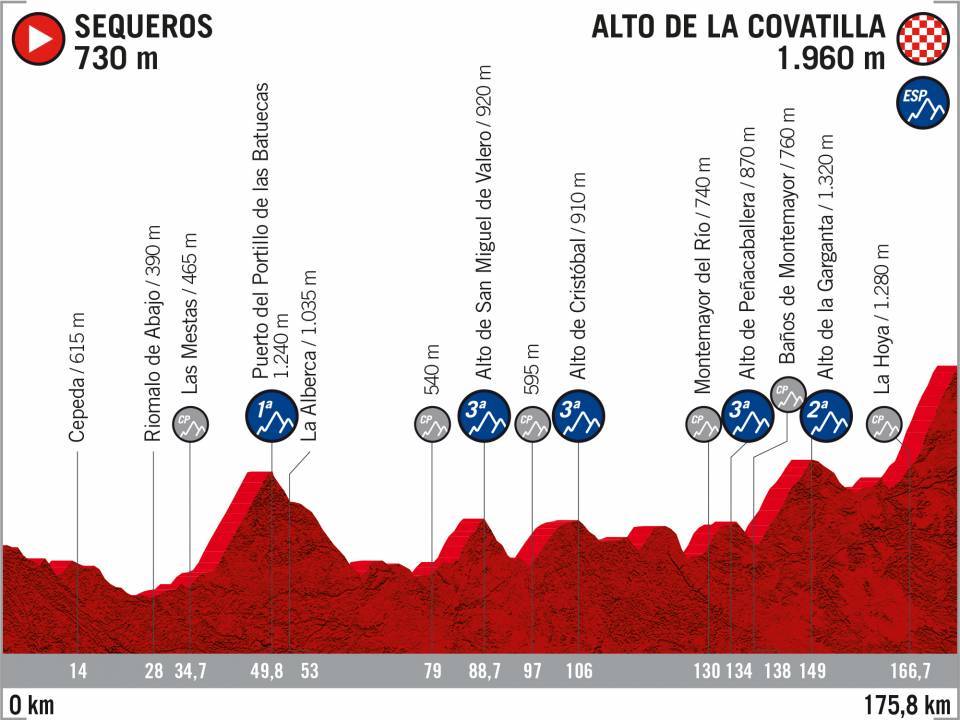
    Stage 20: Final summit finish on La Covatilla
    The peloton will ride through winding terrain to the Portillo de las Batuecas (1st category) that will enable a breakaway to take place. The unprecedented climb of La Garganta (2nd category), will precede the finale in La Covatilla, a HC mountain pass where leaders will use every inch of their strength in order to win La Vuelta.

    Try Your Own La Vuelta Cycle Tour

    Inspired to ride the roads of La Vuelta? Check out our Vuelta España itineraries  & witness this spectacular race first hand. Climb the key climbs, enjoy the best to the local region and follow in the pedal strokes of the pros! Give us a call now on +34 972 754 301 or contact us online!

    P.S. Enjoyed this blog? Why not sign up to receive notifications every time we post and get regular updates on our latest tours!
  • Reilly Gradient Gravel Bike Review

    The Reilly Gradient is the latest gravel bike to join our Girona Bike Rental fleet, and this one is rather special with its British designed Titanium frame.

    The Reilly Gradient, A Brief History

    Reilly Cycle Works is a UK based bike manufacturer founded by frame builder Mark Reilly, graphic & product designer Damon Fisher & carbon specialist Neil Fitzgerald. Mark, Neil and Damon have been friends for many years and their experience and talent combine to make Reilly the beautiful brand that it is.

    Mark is the number one specialist in the UK on Titanium.  Titanium frame building is notoriously demanding but the benefits include excellent corrosion resistance and very high cycle fatigue properties – so, treated well and barring an accident, a titanium frame will last an age. Could it be that titanium offers the perfect material for the demands of cycling off-road?

    Reilly Gradient Gravel Bike – Reviews

    So, what’s the bike like out on the Girona trails?

    “It absorbs all the imperfections”

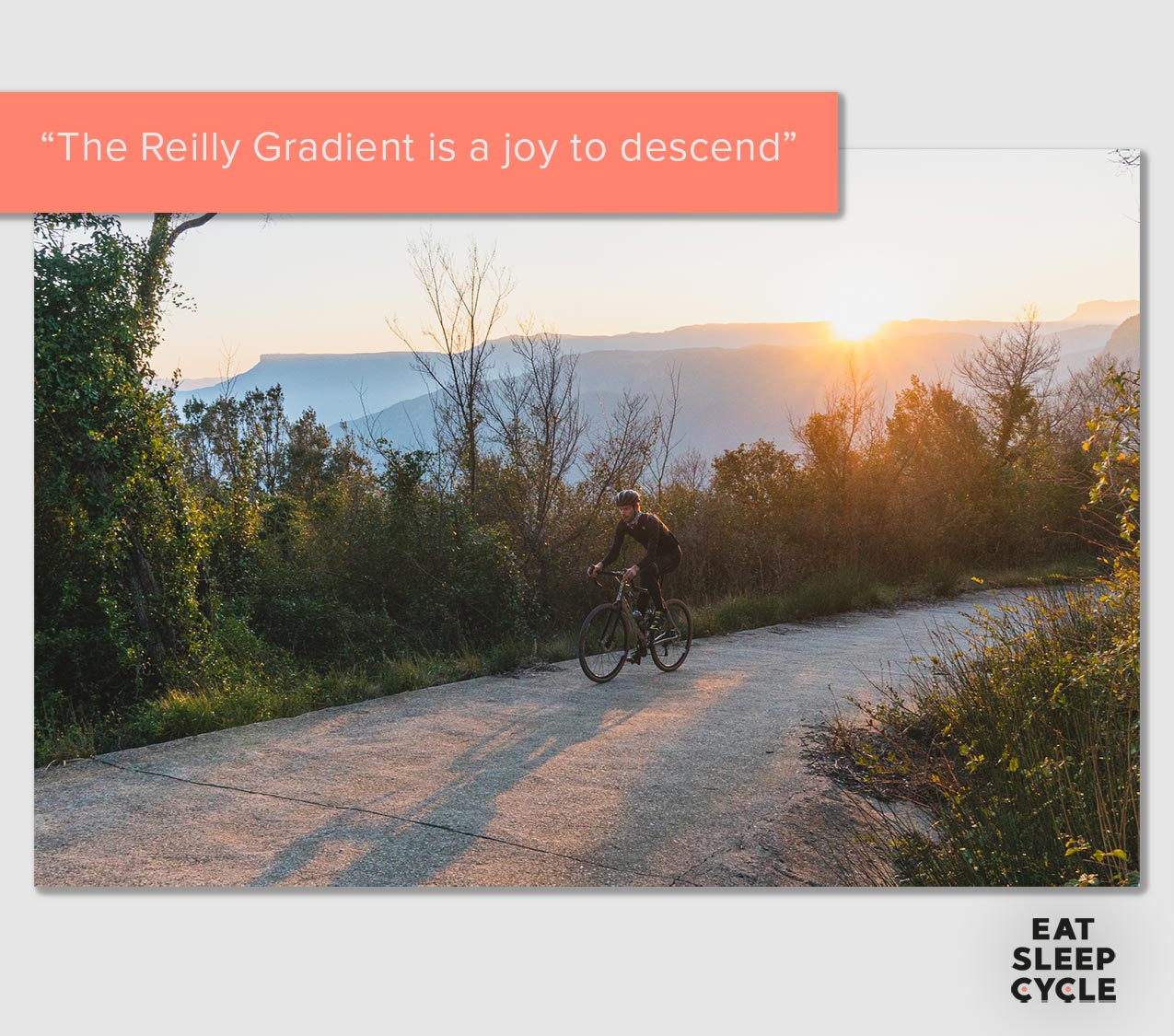
    “When riding the Reilly Gradient over rough ground I was able to still enjoy the view as it seems to absorb the bumps and grooves, even bigger holes, more so than other gravel bikes I have ridden.

    The Reilly Gradient is a joy on the descents, especially on rougher gravel as it absorbs all the imperfections.”

    – Lee Comerford, Eat Sleep Cycle Founder

    “I will take it on a bike-packing adventure at the Atlas Mountain Race!”

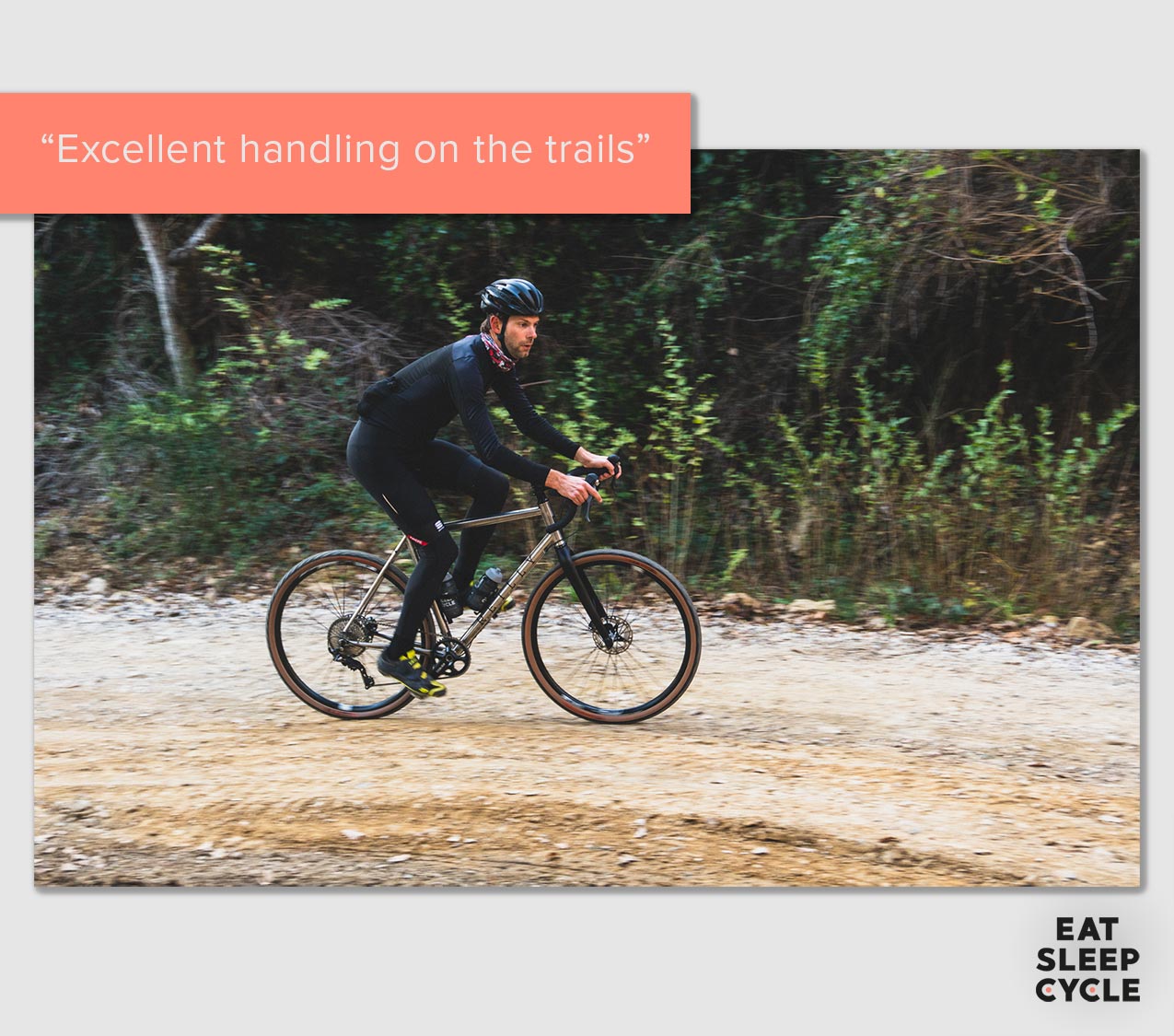
    “After riding a few long gravel routes on the Reilly, I can say that it is truly a do-it-all bike. The bike handles very well on technical trails and is still fast enough on the flatter sections. It is so versatile I will take it on a bike-packing adventure at the Atlas Mountain Race in Morocco”

    – Daan van Meeuwen, Eat Sleep Cycle Content Guy & Mechanic

    It’s not just the Eat Sleep Cycle team who love to ride the Reilly – it’s picked up rave reviews from gravel lovers across the globe.

    “Fun and capable adventure road bike with great looks to match the great ride” 

    “The Gradient is right at home negotiating narrow tree-lined singletrack with loose corners and steep climbs and would be a good choice if you’re looking for a bike to tackle one of the growing number of gravel events like the Dirty River.”

    – Road CC / David Arthur, read his full review on Road CC

    “Where this bike really excels, in my view, is when you point it downwards”

    “I want one. I won’t rest until I get one. I know that if this bike was in my shed that, more often than not, it is the bike I would grab more than any others to take me out on adventures. It’s so versatile, so capable and so damned pretty. This is a bicycle that doesn’t ask, it just insists and, well, who am I refuse?”

    – Gritcx / Mark Tearle, read his full review on Gritcx

    Reilly Gradient GRX – Our Build

    Designed by Mark Reilly to offer a ‘progressive’ ride Gradient combines a super-stiff hydro-formed Reilly Axis 3AL-2.5V titanium tube set with an ultra-secure disc 12 x 142 mm rear thru axle. The frame has clearances for 50c tyres with 650b wheels. Reilly claim that this is a bike which has it all, comfortable on & off-road, fast & responsive & deadly fast downhill.

    We’ve built our rental fleet to the following spec:

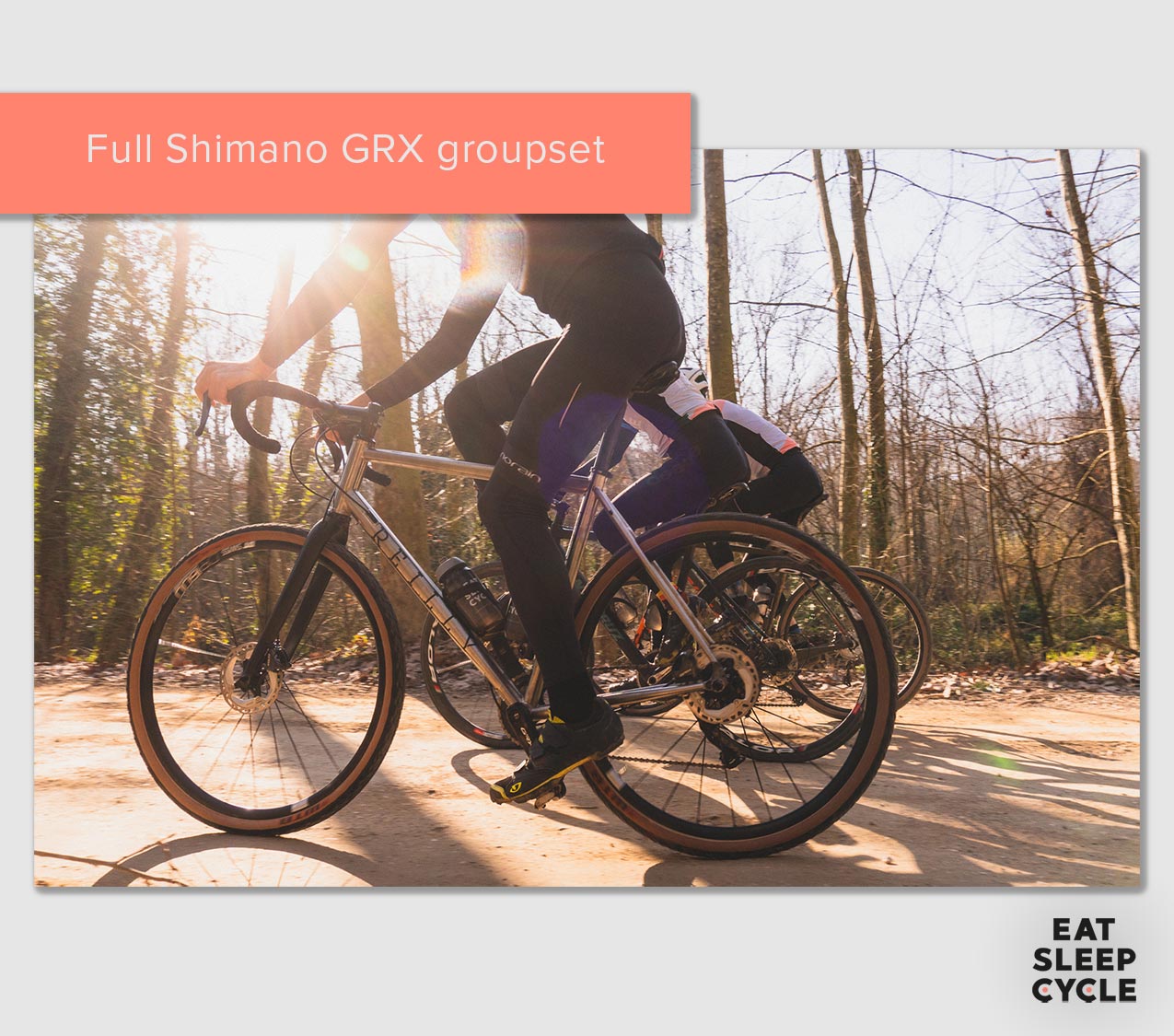
    • Shimano GRX 1×11
      • 11-42 Cassette with a 42 Chainring
      • 160mm Rotors
    • DT Swiss ER 1600 SPLINE Wheelset
    • WTB Tyres
      • 700C x 40mm on bigger sizes
      • 650B x 50mm on smaller sizes
    • Pro Discovery Finishing Kit
    • Fabric Saddle

    Reilly Gradient Bike Rental

    Do you want to try the Reilly Gradient for yourself? Reserve yours now by visiting our bike hire portal or give our team a call on +34 972 754 301.

    P.S. Enjoyed this blog? Why not sign up to join our newsletter to receive regular updates on our latest tours!

  • Cyclist’s Guide to Morocco

    Morocco is an off-the-beaten track destination with a fast growing reputation for all types of cycling. Eat Sleep Cycle founders Lee & Louise set off to spend a week exploring Marrakesh & the Atlas mountains by bicycle. They came back with this blog, a starter guide for anyone thinking of cycling in Morocco as well as incredible memories of mind-blowing rides & wonderful people.

    Cycling in Morocco

    When you think of Morocco you might imagine crazy drivers, rough roads, pickpockets, bartering & dodgy food – all the ingredients of a terrible cycling holiday! But think again – Morocco is a vast country of varied terrain, beautiful landscapes, friendly people, delicious food, fabulous guesthouses and is home to some seriously good riding.

    When is it best to ride in Morocco?

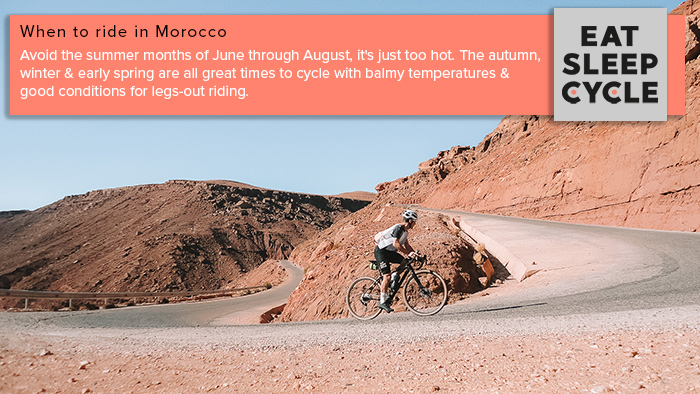
    Choosing the time of your visit carefully is key. Avoid the summer months of June through August, it’s just too hot. The autumn, winter & early spring are all great times to cycle with balmy temperatures & good conditions for legs-out riding. Just be aware that if you want to ride the high Atlas mountains you may encounter some snow & some ice at altitude in ‘winter’. The ice usually melts by mid-morning, so a perfect excuse for a lazy Moroccan breakfast before clipping in for the day.

    When to ride your cycling trip in Morocco

    Choosing a Bike for Cycling in Morocco

    This is a huge question with no right or wrong answer. The first thing to know is that cycling as a sport or a way to spend a holiday is not normal here. Locals are seen piled onto scooters, donkeys, into pick-up trucks or simply walking to get from A to B. The only bikes around are Decathlon rejects, sometimes seen grinding up huge mountain passes – and not for fun.

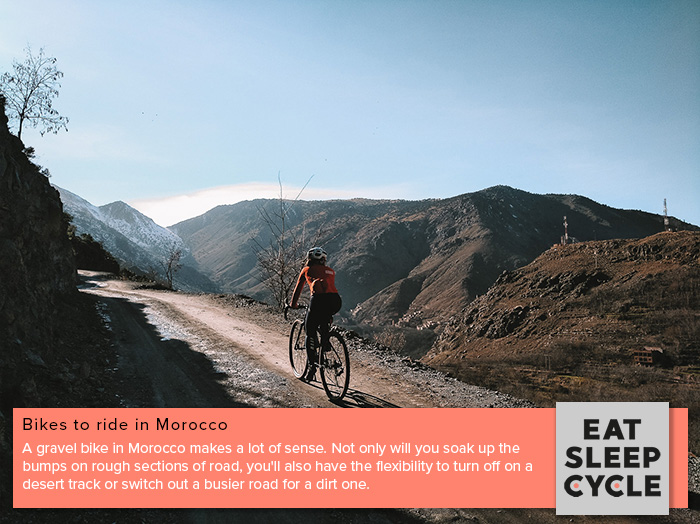
    For us pleasure-seeking cyclists a lightweight machine will make a huge difference when cycling in the mountains. Wide tyres will make a huge difference on rough sections of road (of which there are a fair few). A pure road bike would be too harsh, an endurance road bike with 30 c tyres would be pretty great if you were planning on enjoying mostly road riding.

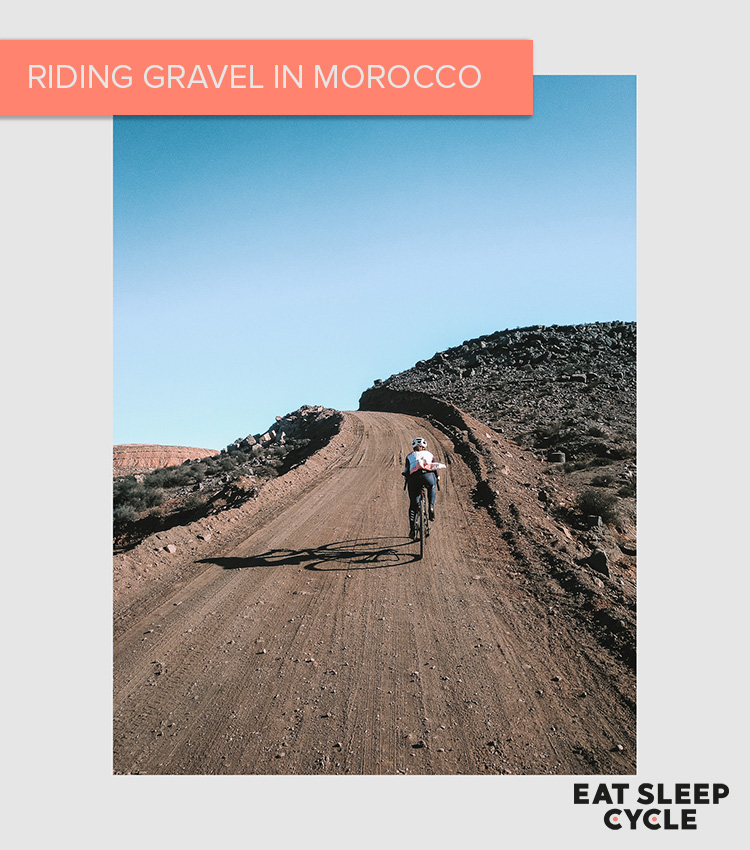
    A gravel bike in Morocco makes a lot of sense. Not only will you soak up the bumps on rough sections of road, you’ll also have the flexibility to turn off on a desert track or switch out a busier road for a dirt one. Yes, you’ll need to work a little harder on any pure road climbs, but the sacrifice is worth it.

    Mountain bikers would also have a blast here – hardcore mountain bikers should look up Mount Toubkal. At over 4,167 m it’s the highest mountain in North Africa. There are specialist guides who can take you up – just make sure you have excellent insurance for coming down.

    What bike should I bring to ride in Morocco?

    Is it Safe? What is the Traffic Like?

    The traffic has it’s own laws. Drivers are generally not in a rush but will launch dangerous overtaking maneuvers to get around slow moving trucks. Cyclists are generally given space (as are the donkeys, pedestrians & scooters) but it’s definitely worth doing your research on which roads are great & which roads are best avoided. Quiet roads are fabulous roads. Busy roads should only be attempted when completely unavoidable.

    Cycling in Marrakech would only be enjoyable if you’re an experienced rider with bike-messenger style skills & a strong nerve. Embrace the flow and everything will probably be ok, or just hitch a ride 20 kms out of the city to keep things zen.

    Where to Stay in Morocco?

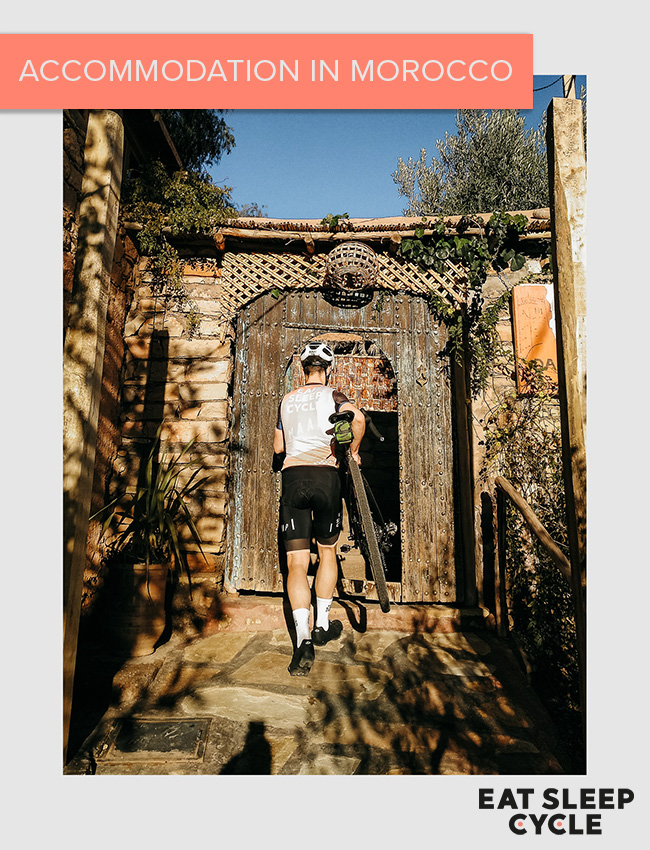
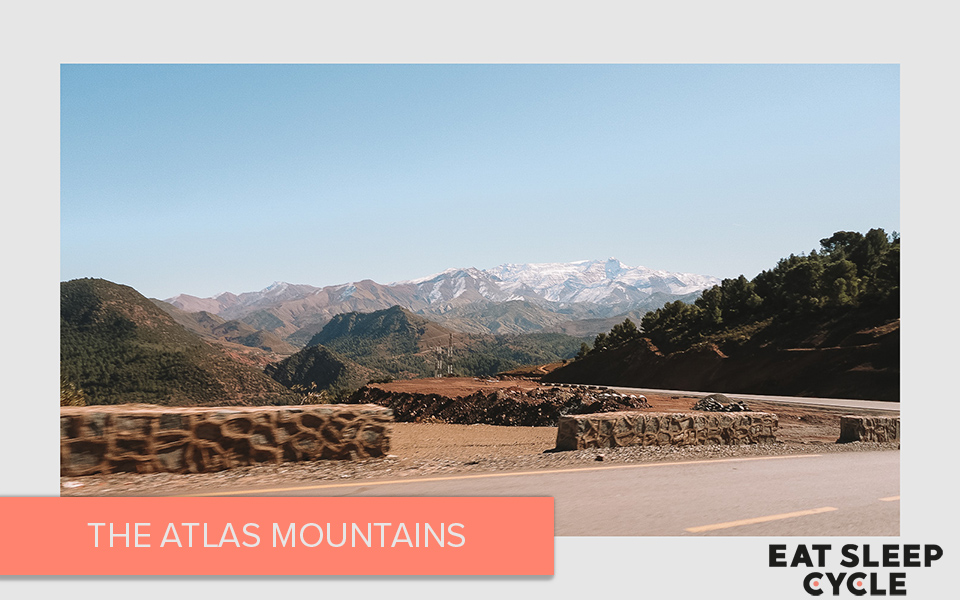
    There are plenty of places to consider basing yourself for a cycling trip in Morocco and it’s best to pick two, three or even four locations to really experience the variety of the riding. Most groups & tours start & finish in Marrakech but quickly move out to escape the city & get to the best roads & trails. There is no obvious cycling hub to stay in, but great locations are Ouirgane – for great riding in the foothills of the Atlas & access to the huge Tizi n’Test pass, Imlil – for Mount Toubkal & Tisseldeï for the Tichka pass, the mud city of Ait Benhaddou & some desert riding.

    The best stuff is impossible without support or without a tent. Do not underestimate the difficulty of covering large distances at altitude. It’s important to have a set up whereby you’re completely self-sufficient, or at least have a number you can call if you need a rescue. The Moroccan people are such that if you’re basing yourself at a guesthouse the owners will likely offer their phone number by way of back up & will even come and look for you if you don’t return by your scheduled time.

    Recommended guesthouses include:

    Riad Atlas Imlil, Imlil – a newly built Riad with exceptionally welcoming hosts, Lahcen & Abdullah. The ceilings are hand painted by a local artist, the rooms are furnished in traditional Berber style & the food is fabulously prepared by Lahcen’s uncle. This is the place to enjoy the best breakfast for cyclists in Morocco! They can also arrange bikes for you & can cater for all dietary requirements.

    Dar Isselday, Tisseldeï – a small oasis at the bottom of the Tizi n’Tichka pass run by Famita, Kamal & their family. Stay in small but comfortable rooms, eat delicious food prepared by the family and relax on the beautiful terrace overlooking the valley.

    Tagadert Lodge, Oumnass – an exquisite guesthouse 20 kms south of Marrakech located in a typical Berber village. Combining the best of Moroccan & modern design with welcoming staff, Saide, Fatima & Mohammed.
    Where to stay during your cycling trip in Morocco

    What to Eat in Morocco?

    Do not travel to Morocco if you don’t like cumin. Cumin is quite literally the spice of life here and can be found in pretty much every dish. This is a country where it’s difficult to eat unhealthily with fresh fruit, vegetables and meat being the main food.

    The staple dishes in Morocco are tagine – a slow cooked stew with chicken, lamb, beef & vegetables, or couscous, with chicken, lamb, beef & vegetables. Meals are a delicious mix of sweet & spice, but nothing so spicy that can’t be enjoyed. Soups are also popular, as well as meat grilled over open fires.

    Breakfasts are a delicious mix of fresh juices, bread in all kinds of delicious forms, served with olive oil or jams, as well as eggs – served fried (with cumin!) or as an omlette.

    Fresh fruit is high on the agenda and delicious fresh juices are readily available. Good coffee can be found but is not guaranteed. Berber Whiskey is readily available, that is tea made from all sorts of fresh herbs and served with our without sugar.

    Which brings us nicely to the subject of alcohol. Drinking is not illegal in Morocco, indeed, there is a local beer in production as well as two or three winery’s. In fancy hotels, licenced bars & tourist areas it’s possible to order an alcoholic drink off a menu but in off-the-beaten track rural areas (where your bicycle is most likely to take you) it’s not. If you really need a drink to recover from a long day in the saddle be discreet when you ask at your guesthouse or simply resort to Berber Whiskey (tea!) & embrace the clarity of mind & health benefits avoiding alcohol brings!

    Eat-Sleep-Cycle-Morroco-Africa-bike-tripMorocco Cycling Routes

    Now to the fun stuff! There are no ‘set’ cycling routes in Morocco as is the case in European cycling hubs like Girona, Mallorca or Calpe. However, there are some awesome highlights to include in your agenda.

    Tizi n’Tichka Pass – the gateway to the High Atlas, this pass separates Marrakesh in the north from the road to the Sahara desert in the south. This is the climb used by GCN on their bikepacking Morocco adventure. It’s a paved road climb and, as the main route for vehicles heading south, can be quite busy. The road is in a constant state of flux and has near continuous roadworks underway to maintain the route. The climb tops out at 2,260 m altitude. From the village of Zerkten (already at 1,200 m altitude) the climb is over 30 kms long. Gradients are steady & the views are spectacular!

    Tizi n’Test Pass – this climb is a little known monster that rivals the Stelvio & Tourmalet for cycling greatness. From the village of Ijoukak (itself a long drag away from Marrakesh at 1,100 m altitude) the climb winds its way up a river valley for 40 kms to an altitude of 2,100 m at the top. The road is broken & doesn’t have much traffic. The descent is broken for the first 6 kms then turns to silky smooth tarmac all the way to the bottom.

    Tizi n’Tacheddirt – a high mountain pass and a village at an elevation of 2,425 m above the sea level. Access to this unpaved road is from the village of Imlil (altitude 1,700 m). It’s gravel, rocky, bumpy & is not for cyclists with vertigo. From November to April there are varying amounts of snow – seek the advice of a local guide before setting off to conquer this one. The climb is 13 kms long and best suited to wide-tyred gravel or mountain bikes.

    Toubkal – another monster from Imlil, this time just for skilled mountain bikers. The trail is 14 km long to the summit of Toubkal, with a monster elevation change of 2,435 m to an altitude of 4,100 m. Only attempt this with a qualified local guide & factor in the impact of altitude. This is a seriously tough challenge to the summit of the highest peak in the Atlas Mountains.

    Ait Benhaddou to Telouet – The road connecting these two places is quite simply awesome. From Ait Benhaddou, the 1000 year old mud city & UNESCO world heritage site, the paved road climbs alongside a river. Soak up the sites of local villages as the road heads up. The surface is paved but sometimes broken & gravelly – a road bike with wide tyres or a gravel bike is ideal. This road can also be enjoyed an an alternative descent from the Tizi n’Tichka Pass.

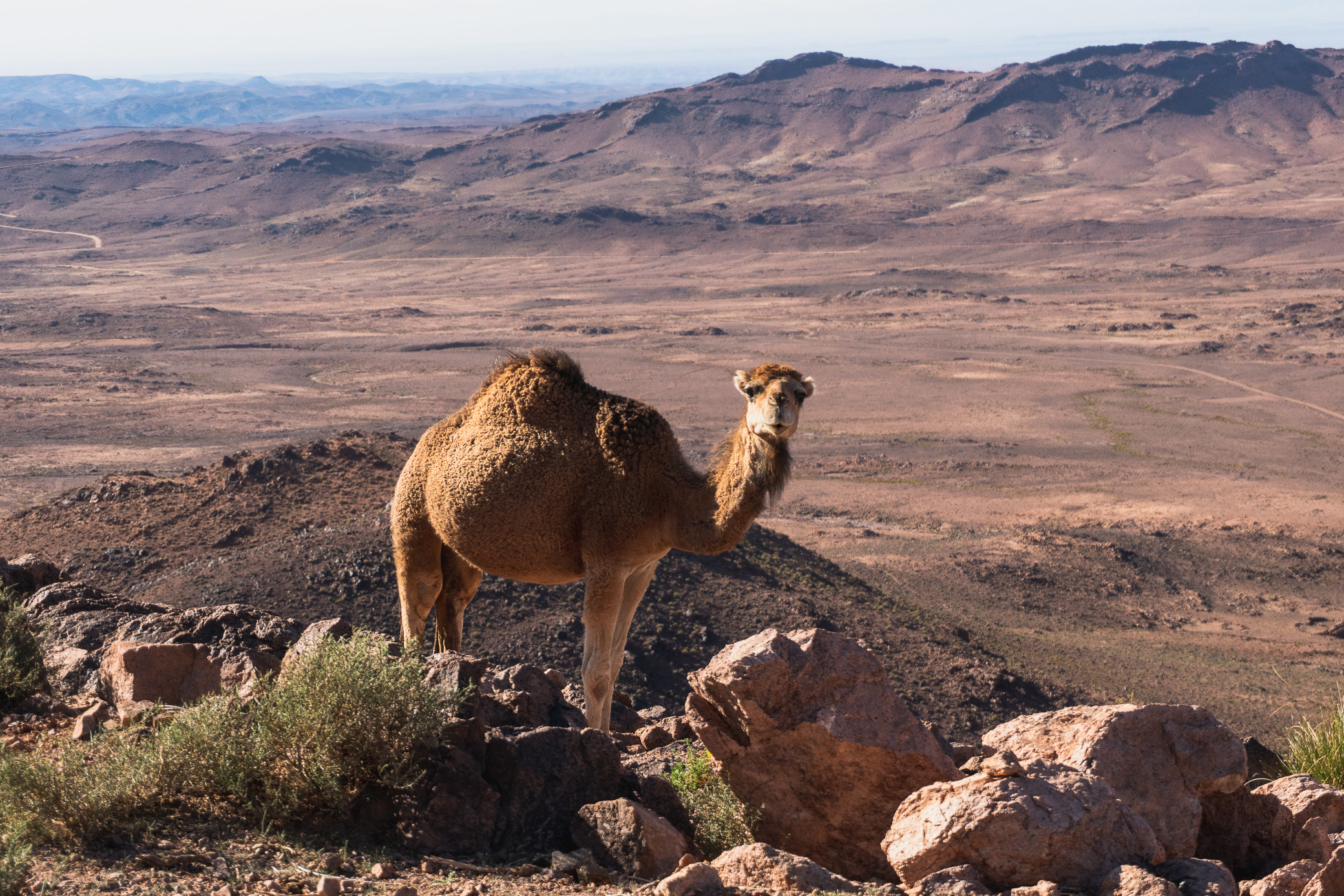
    Agafay Desert – 30 kms south of Marrakesh is a stony dessert, full of trails, camels & quad bikes! The region extends over several hundred acres and is ripe for exploration on a gravel or mountain bike. Lake Takerkoust is a man made lake on the edge of the desert with a wealth of gravel roads to explore & great places to stay.
    Riding bikes in Morocco on gravel

    Is it ok to wear Lycra?

    Yes, but you’ll stick out like a sore thumb & might feel a little exposed!

    For women, there is still a stigma attached to exposing bare skin and ladies will feel more comfortable wearing lightweight, floaty materials which act as a cover up, especially off the bike. As well as respecting the local culture it’s actually the best clothing to wear outside in the sun too. That said, there are unwritten rules for tourists and plenty of women on holiday in Morocco set out to get a tan without any consequences.

    On the bike lycra is likely the most comfortable choice, although baggier clothing as per mountain bike/gravel/touring gear will still be comfy & help you blend in a little better.  It’s something everyone will appreciate if you stop at a local cafe for a bite to eat whether you’re a male or female cyclist but it comes down to your personal choice.

    Getting to Morocco

    Getting to Morocco is easy, with regular flights from all over Europe into Marrakesh. Marrakesh gives you best access to the riding covered in this blog, but there are also airports in Rabat, Casablanca & Fes to the north.

    Marrakesh airport is just a few kms from the city centre, so transfers are fairly cheap – it’s by far the easiest to book a transfer through your hotel if you’re staying Marrakesh for the start or finish of your cycling trip. Don’t get into a random car outside the airport. Car hire is also a good option & there are plenty of well known companies located at the airport.

    Make sure you land with a clear plan to get your next destination. The airport is a magnet for wondering locals looking to earn a fast buck from confused tourists.

    Cycle in Morocco with Eat Sleep Cycle

    If you’d like to sign up to our Morocco Atlas Mountain tour, give us a call on +34 972 754 301 or contact us online for more info! We also run custom gravel, road or mountain bike tours in Morocco – let us know what you’re looking for & we’ll do the rest!

    P.S. Enjoyed this blog? Why not sign up to receive notifications every time we post and get regular updates on our latest tours!
  • Bikepacking the Pirinexus: Girona, Costa Brava & the Pyrenees

    The Pirinexus is a circular 360 km route on cycle paths & quiet roads running from Girona to the Pyrenees and across the border into France & the town of Ceret. From here the trail climbs back across the border to the town of La Jonquera before hitting the flatlands of the Empordà region en route to the Costa Brava. From the Costa Brava the Pirinexus loops back around to finish in Girona. For a full route description head over to our Pirinexus 360 – A Different Side of Catalunya blog.

    The Pirinexus is a route which is popular with a multitude of cyclists of varied abilities and inclinations. It can be spread out over a leisurely 2-week trundle or, at the extreme of endurance, be completed in a 24-hour challenge. Whilst most sensible folk choose to get their luggage transferred to each new hotel, bikepacking the route is a great option to maximize the sense of adventure and enjoy the freedom of the trail.

    What is Bikepacking?

    Bikepacking is essentially the ‘cool version’ of cycle touring where the tarmac is swapped for rugged off-road terrain. The goal is to pack light & to carry everything you’ll need for the journey ahead. Some bike-packers carry a tent & camping equipment, whilst others opt for the ultra-lightweight ‘credit card’ style and check-in to guesthouses along the way. Whilst traditional bike tourers carry their gear in wide, bulky panniers, bikepackers use neat bags which fit close to the frame, a set-up which is much better suited to rocky or narrow trails as well as being more aerodynamic.

    Choosing a Bike for the Pirinexus: Road, Gravel or Mountain Bike?

    Bikepacking bikes come in all shapes & sizes and pretty much any bike can be turned into a bonafide bikepacking bike. The key consideration when choosing a great bike for the Pirinexus is understanding what type of terrain will be encountered.

    The Pirinexus starts and finishes on Via Verde, a smooth gravel custom-built bike path that stretches from the Costa Brava to Olot in the foothills of the Pyrenees. In Olot, cyclists can choose a rugged mountain bike trail or a quiet road to climb to reach Sant Joan des Abadesses. The next major climb of the route, the Col de Ares, is also a road climb – painfully slow on a mountain bike. So far the gravel or road bike is the clear bike of choice unless you fancy tackling the rugged trail from Olot!

    Things change on the border on the return to Spain. After climbing a quiet lane to reach the border the road quite simply disappears and a fairly technical, awesome stretch of gravel unfolds. Here a mountain bike or an adventure gravel bike would make this section loads of fun. Anyone on tyres under 40c would be on foot. There is, of course, an unofficial alternative route on the road – the perfect choice for anyone lacking confidence with their bike skills or riding a road bike.

    After La Jonquera the route alternates between quiet lanes and gravel farm tracks – perfect to enjoy on any type of gravel bike.

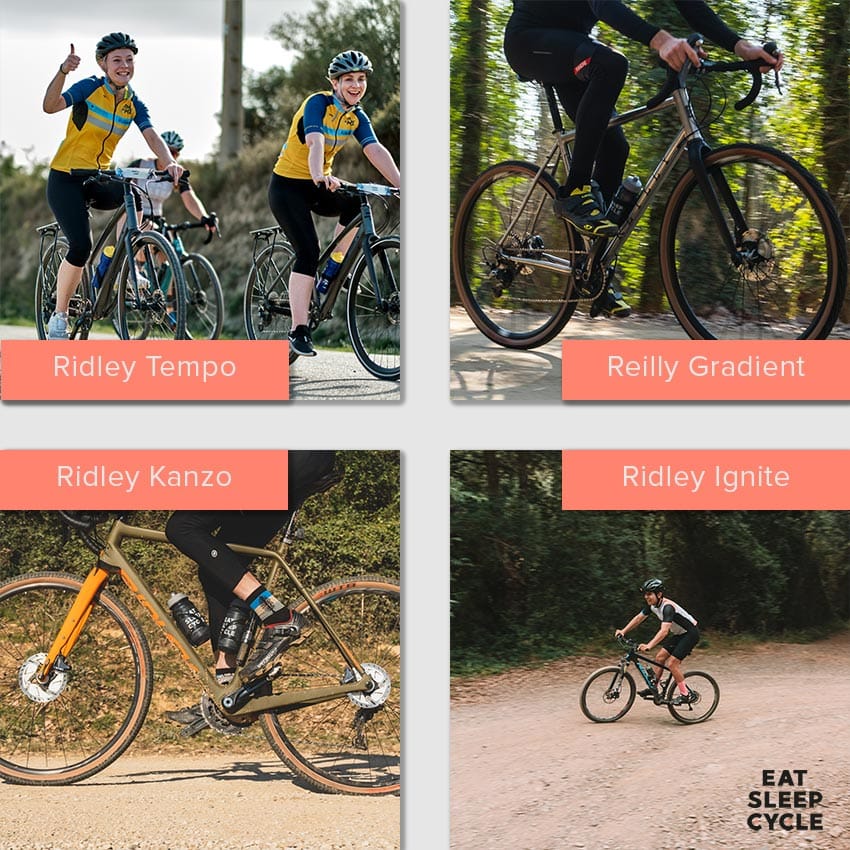
    Ridley Kanzo Adventure – perhaps the perfect choice for the Pirinexus. A lightweight carbon frame with tyre clearance up to 42c. Make sure your gear ratio is up to the steeper sections of the route.

    Reilly Gradient – a great choice and better on the technical sections than the Kanzo. This is a bike which absorbs the bumps of the road for optimum ride comfort.

    Ridley Ignite MTB – an awesome lightweight hardtail. You’ll sacrifice speed on the paved road sections but you’ll fly along the technical stuff.

    Ridley Tempo – a great leisure bike option with a rack for traditional-style luggage carrying. The 1×10 set up may struggle on the seriously steep moments but this bikes simplicity is a joy. Most at home on the Via Verde!

    Bikepacking Bags

    If you’ve sorted your bike then next up is to select your bags for carrying your luggage. Here it’s time to take a look deep into your soul (& perhaps the weather forecast) to decide if you’ll ride super-lightweight with next to no gear or opt for the full self-sufficient set-up.

    Ortlieb are the staple of cycling luggage. They offer a full-range of bikepacking gear as well as traditional panniers. Their bags are fully waterproof & their oversized saddle bags even fit well on small frames. The straps are all velcro & the bags are really simple to fit. This is really useful when you arrive late at your hotel & want a stress-free efficient route to catch the sunset on the terrace with a beer.

    Arkel are also known for great quality bags. Their saddle bag comes with a rack – great for added stability and something you’ll appreciate when flying downhill around corners. However, the rack is fairly tricky to fit and it does not work with small frames – the bag is too deep and rubs on the rear tyre.

    What to Pack for your Bikepacking Adventure?

    Your packing list is up to you and will be shaped by both how long you plan to be on the road, the time of year you’ll be riding & your hygiene standards!

    The Bare Essentials for Dry Summer Cycling

    On the Bike

    • 2 x sets of cycling shorts (wash one, wear one)
    • 2 x cycling jerseys
    • 2 x cycling socks
    • 1 x gilet (for the descents)
    • 1 x buff (incase you need to ride early/late)
    • Cycling shoes
    • Helmet
    • 2 x spare tubes, patch kit & pump
    • Front & rear rechargeable lights (just incase)
    • Lightweight rain jacket (good for an extra layer in the evenings too)

    Off-Bike

    • Light, comfy shoes – espadrilles or similar are a great option for chilled evenings
    • T-Shirt
    • Lightweight trousers or shorts (or both if you can squeeze them in)
    • 2 x underwear (you’ll never regret carrying more)
    • Ladies – a lightweight comfy cotton dress that doubles as nightwear
    • Gents – lightweight shirt, great as an extra layer or to smarten you up for a nice restaurant
    • Sweater – merino is a great choice for multiple wears without washing

    Toiletries

    • Mini suncream
    • Toothpaste
    • Toothbrush
    • Deodorant (essential for the comfort of those around you!)

    Other Essentials

    • Passport (all hotels need it & you’ll cross country borders twice!)
    • Smartphone
    • GPS device loaded with routes
    • Chargers

    Non-essentials – little luxuries you don’t need but will love! 

    • Lip Balm
    • Tooth floss
    • Mini face-wash
    • Mini moisturiser

    Backpack the Pirinexus with Eat Sleep Cycle

    If you’d like to find out more about one of our European cycle tours then give us a call on +34 972 754 301 or contact us online for more info! Check out our Pirinexus Cycle Tour page for more details about the route.

    P.S. Enjoyed this blog? Why not sign up to receive notifications every time we post and get regular updates on our latest tours!
  • Top 10 Must Ride Cycling Destinations in Spain

    Spain: A Country of Bucket List Cycling

    There’s much more to cycling in Spain than sunshine and smooth roads. From the highest paved road in Europe (Pico de Veleta in the Sierra Nevadas) to the green countryside of the País Vasco, Spain’s vast and diverse landscape will have you begging for new adventures. Be sure to tick off these cycling destinations from your bucket list.

    1. Girona & Catalunya

    There is no doubt that Girona is the cycling capital of Europe. Home to hundreds of professional cyclists, the old town has a charm that is hard to not fall in love with. Riding is the perfect mix of flat, rolling countryside and some challenging climbs in the foothills of the Pyrenees. If you want character, culture and good food alongside high-quality cycling, look no further than Girona.

    Choose to stay in the centre of the city or branch out to explore the amazing Costa Brava coastline or the Catalan Pyrenees. There are incredible options for road, gravel, mtb & leisure riding, it’s a destination that you’ll simply have to come back to again and again.

    • Best climbs: Rocacorba, Els Àngels, Mare de Deu del Mont
    • Best time to ride: All year around is great, but Girona is at its very best from March – June & September – December
    • Bestselling Tour: Beyond Girona
    • Find out more: Read our Cyclist’s Guide to Girona
    • Must visit: The Girona Cycling Hub!

    2. Andalucia

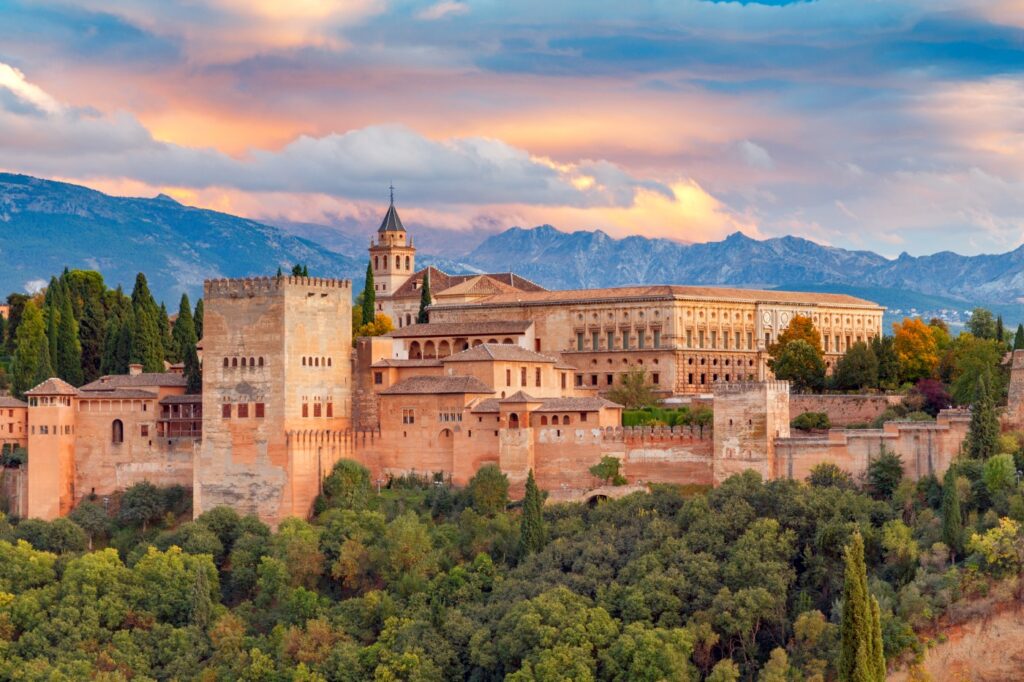
    South Spaniards are very laid back (and who can blame them in the roasting temperatures of the Summer). But visit Andalucia from September through to June and you’ll have a spring in your pedal stroke. Andalucia is home to the fabulous cities of Granada, Cordoba & Seville, the high mountains of the Sierra Nevada & the fabulous Costa del Sol coastline. Its landscape is brimming with Moorish architecture & the sounds of flamenco music.

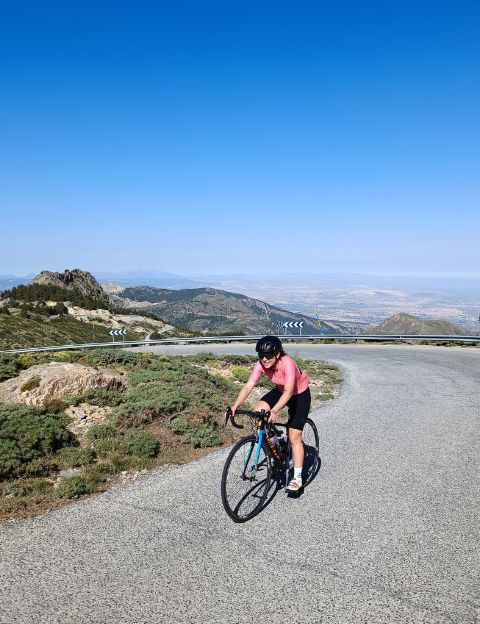
    The Sierra Nevada mountains are home to the mighty Pico de Veleta & a whole number of fabulous climbs. Often used for altitude training by professional cyclists, you’ll need your climbing legs on because it’s up or down with not much flat! There are plenty of authentically Spanish places to choose to stay in the region, from the cultural hub of Granada to tiny villages in the mountains.

    Visit Andalucia for your taste of authentic Spain.

    • Best climbs: Pico de Veleta, Caminito del Rey, Puerto de Leon, Puerto del Sol, Carretera del Cabra
    • Best time to ride: All year around, but avoid the summer months of July & August when temperatures are high
    • Bestselling Tour: Tour of Andalucia
    • Find out more: Read our Cycling in Andalucia blog
    • Must visit: The Málaga Cycling Hub!

    3. ‎Asturias, Cantabria & the Picos de Europa

    Oviedo is a bustling city with all the culture of Asturias and its wonderful food, friendly people and interesting architecture. Ride for just 5 km south and you meet what can only be described as a theme park for cyclists. Scores of short steep climbs scattered over several valleys, the Big One being the Angliru. Often stated as the hardest climb in cycling its something every cyclist should do, but just once.

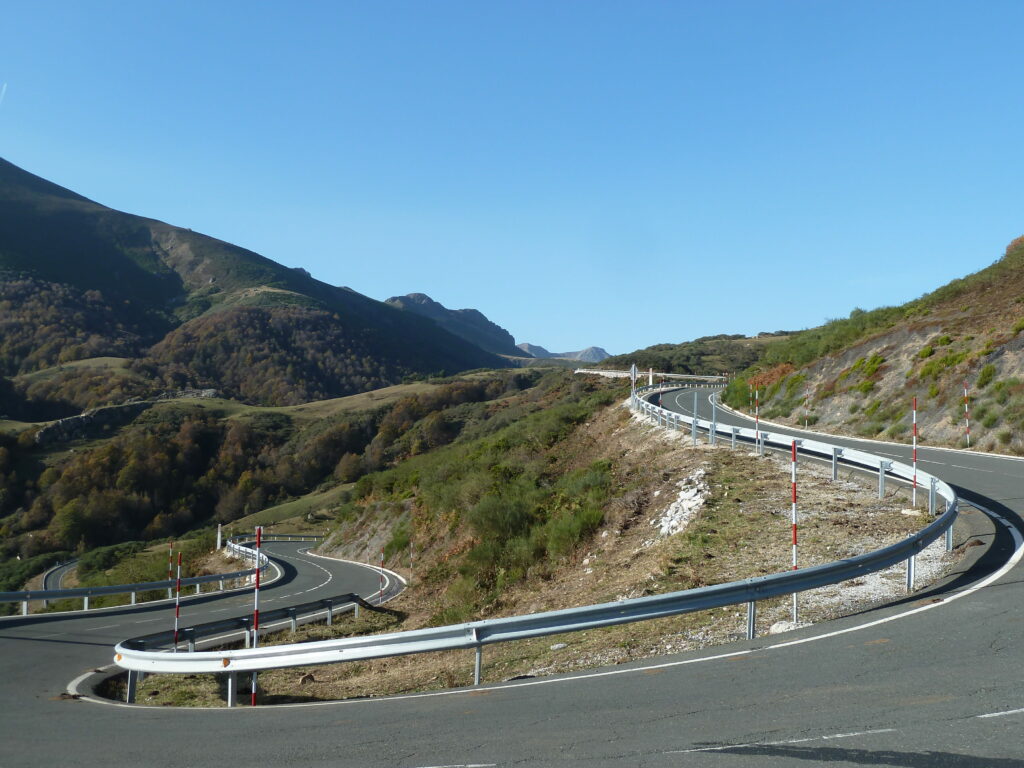
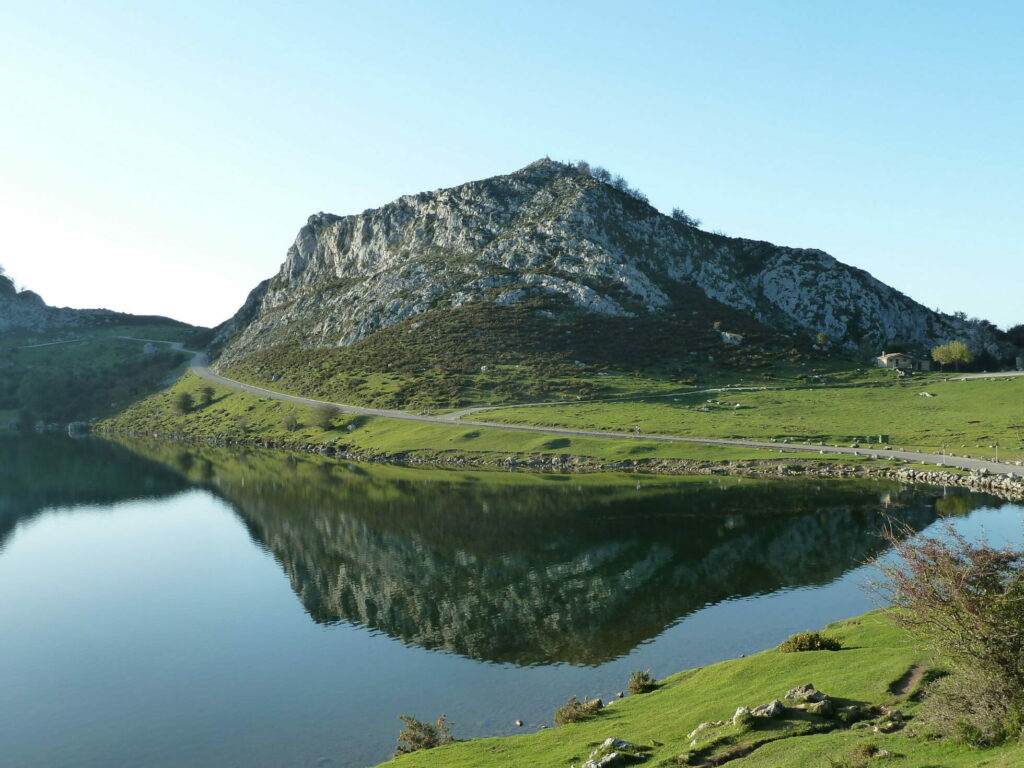
    To the east of Asturias lie the hugely underrated Picos de Europa or “Peaks of Europe” named by Columbus for being the first mountains he saw on his return from America. They are beautiful rock formations comparable to the Dolomites. Don’t miss Lagos de Covadonga, a stunning series of lakes over 1,000 m up in the sky. Puerto de San Glorio is a hidden gem of a climb that will leave you wanting to find more “off the radar” climbs and there are plenty of those in the area.

    Further east Los Machucos was the climb which sparked rider protests in the 2017 Vuelta España. It’s brutal kicks are rewarded by stunning rural views all the way up. Cantabria is home to many other feature climbs of the Vuelta such as the Peña de Carbaga and Puertos Alisas & Ason. There’s no wonder that when the Vuelta reaches Cantabria things get exciting.  Close proximity to Santander & Bilbao is helpful for logistics but avid cyclists are better off avoiding the big cities and staying out in the lovely countryside.

    4. ‎The Basque Country

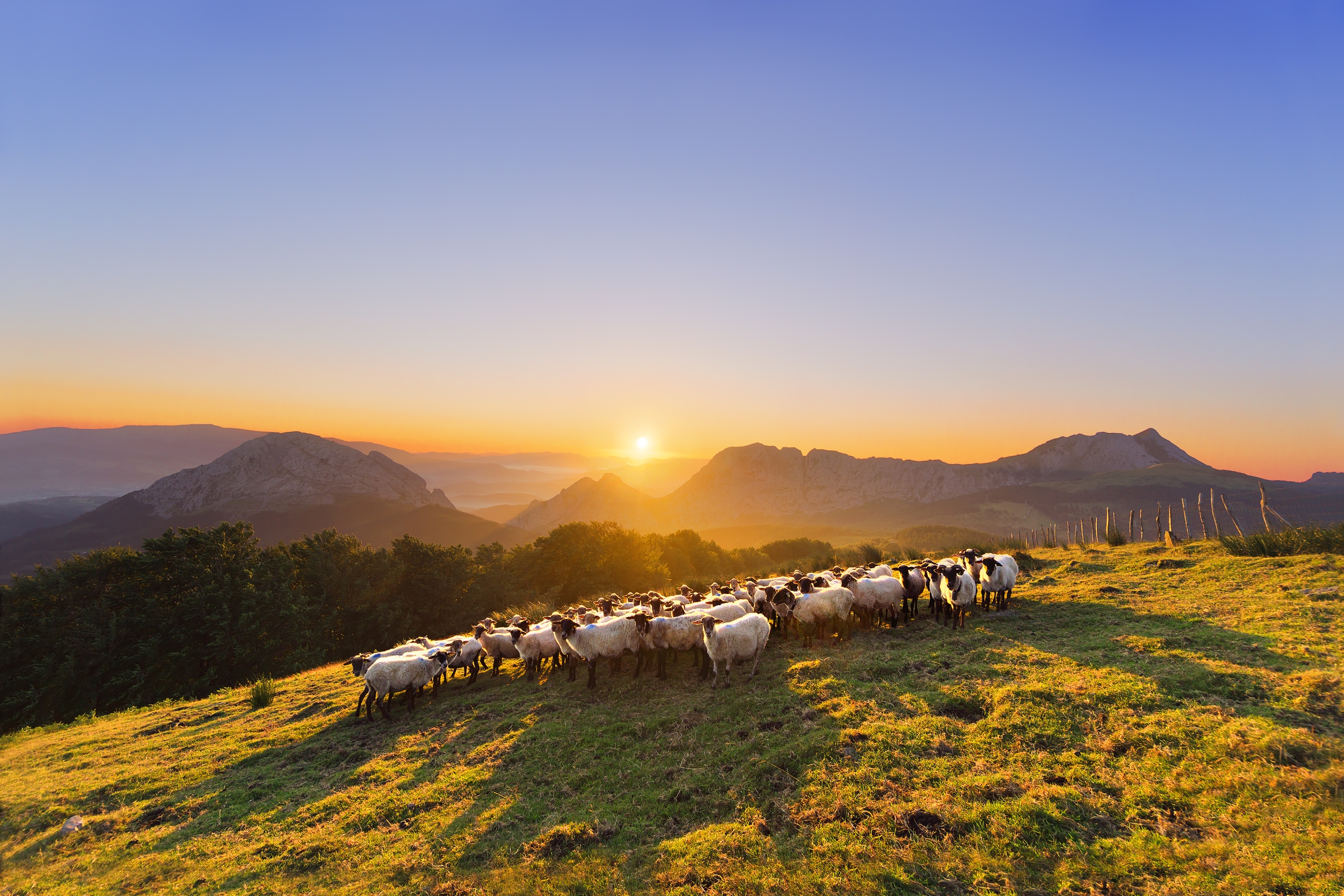
    With its own language and Spanish-Basque and French-Basque regions, the Basque country is a mixing pot of cultures which creates the best food in the world. Rolling green hills line the distance with characteristic white and red chalets. It’s a treat on the eyes and lushness that of course warrants some occasional rainfall, typical of the north Spain area. Whilst the climbs are not long, some are steep so you can easily rack up plenty of climbing metres over a days ride.

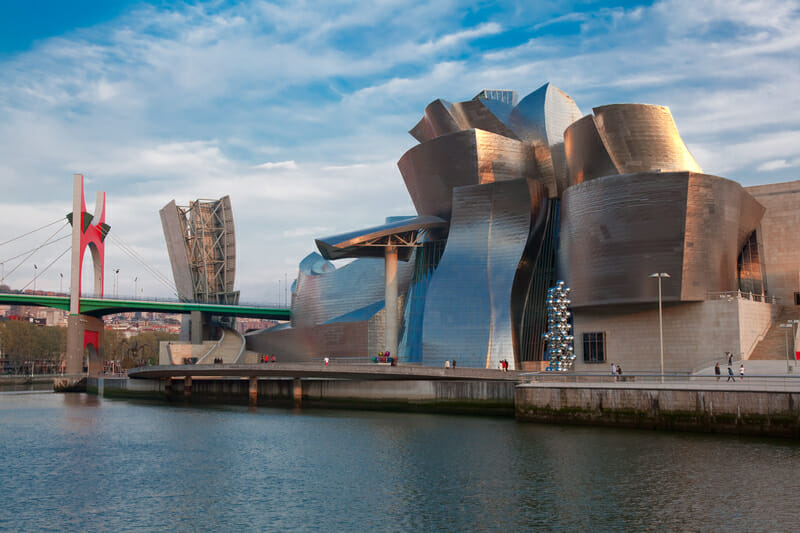
    The Basque Country is also hailed as one of the gastronomic capitals of the world. Be sure to combine and visit to the region with a stay in Bilbao, an industrial city in the west (& home to the iconic Guggenheim museum) & San Sebastian, set on the stunning La Concha beach. Bilbao is a little tricky to ride in & out of, so perhaps save your riding for your stay in San Sebastian.

    • Best climbs: Col du Inharpu, Monte Oiz, Jaizkibel
    • Best time to ride: With chilly, wet winters, April through October are the best months to enjoy this stunning region of north Spain.
    • Bestselling Tour: Tour of the Basque Country

    5. ‎La Rioja

    A stunning rolling landscape filled with vineyards as far as the eye can see. A perfect spot for a more relaxed approach to cycling, combined with delicious food & world-class wines. Combine your daily ride with visits to local bodegas for a spot of wine tasting. Trundle down the River Ebro from Haro to Logroño. Stay in luxury hotels, of which there are many, or authentic guesthouses.

    • Best climbs: El Balcón de Rioja
    • Best time to ride: Spring & Autumn offer climatic perfection
    • Bestselling Tour: Custom & Private tours

    6. ‎Andorra

    Of course, it’s not actually a part of Spain but the tax haven of Andorra is packed with slopes to delight the most hardened of cyclists. Every year Andorra hosts La Purito, the toughest sportive in Europe, and thousands flock to attempt 5,200 meters of elevation in one painful ride. Andorra is best enjoyed over 2 or 3 days (or 1 if you’re feeling sadistic and want to give La Purito a crack). Andorra is a country for cyclists who love to climb, or cyclists who are not too proud to ride an e-bike!

    • Best climbs: La Gallina, Collada de Beixalis, Col D’Ordino, La Rabassa and Els Cortals D’Encamp.
    • Best time to ride: Avoid winter when Andorra turns into ski paradise!
    • Bestselling Tour: Custom Tours

    7. ‎Mallorca

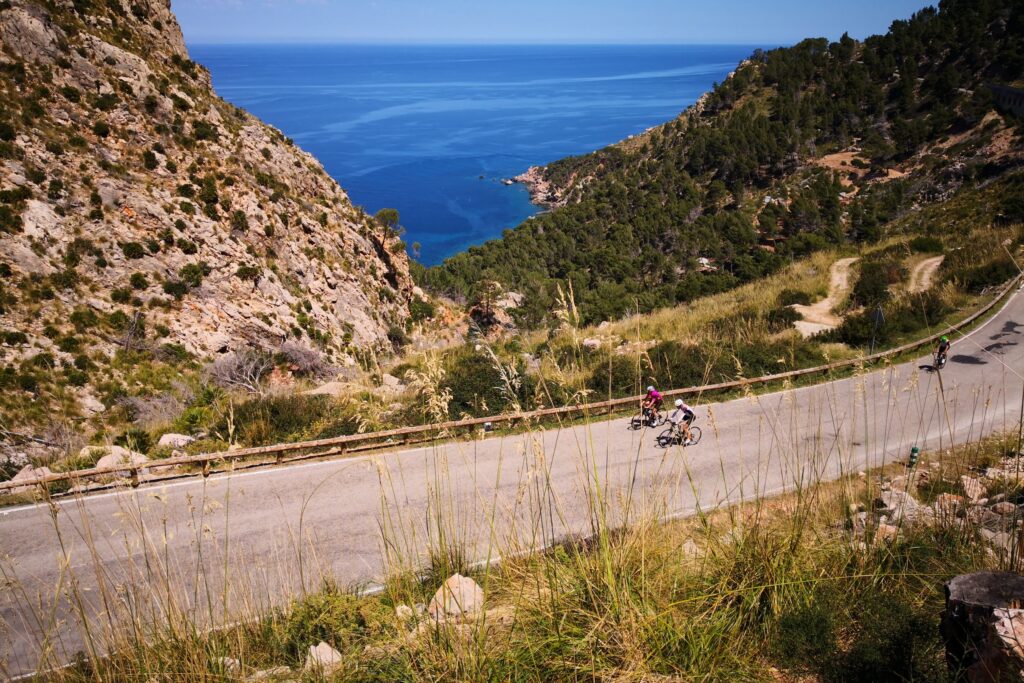
    An island off the Spanish mainland, Mallorca has long been known as a paradise for cyclists, and with good reason. Mallorca enjoys a year-round, excellent climate & has a wide variety of fantastic roads. From the Tramuntana mountain range, the rolling wine-making region to the flat, coastal plains, there is always a route to suit the occasion. Mallorca remains a popular destination for professional cyclists to prepare for the their race season and offers a huge choice of boutique guesthouses, mountain retreats or all-inclusive hotels on the beach.

    • Best climbs: Sa Calobra, Soller
    • Best time to ride: All year around! Although it can get too hot in the summer months of July & August
    • Bestselling Tour: Tour of Mallorca
    • Find out more: read our Guide to Cycling in Mallorca

    8. The Canary Islands

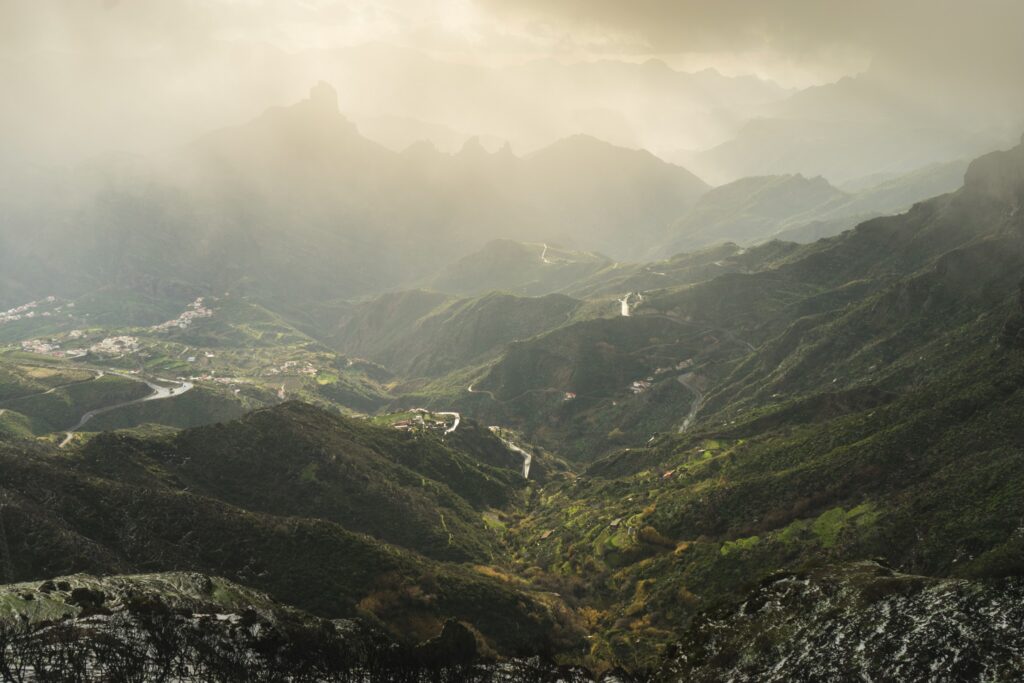
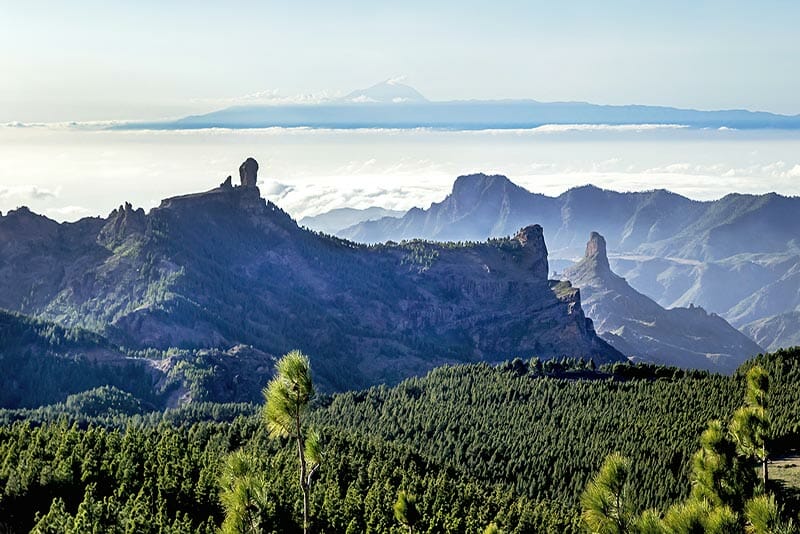
    Far away from Spain, the Spanish speaking island of Gran Canaria lies off the coast of Africa. The climate offers perfect cycling conditions all year around and it’s a popular destination for cyclists when the rest of the world cools. All roads in Gran Canaria lead the highest point in the island, Pico de las Nieves. Popular bases for cyclists include Playa Ingles, which offers good access to the roads, but consider staying in the north of the island for more variety & a more authentic experience. If you can split your time between north & south, perfect!

    9. Spanish & Catalan Pyrenees

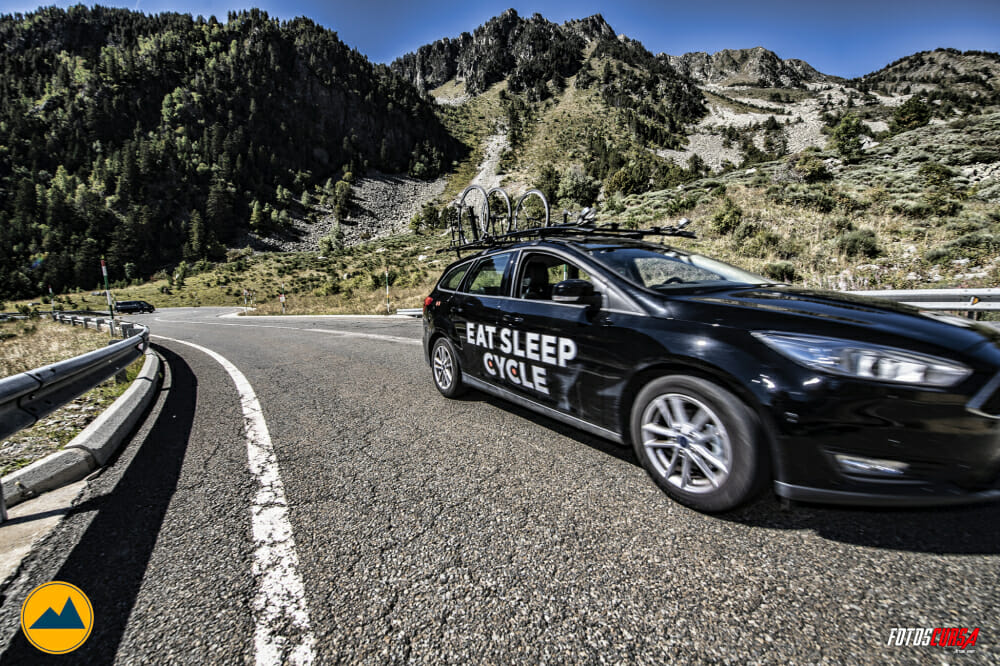
    The Spanish & Catalan Pyrenees offer a quiet alternative to the often busy peaks of the French Pyrenees. The mountains are packed with epic landscape and incredible climbs on the road & on gravel. Stay in Vielha in the Vall d’Aran, the tiny village of Pobla de Lillet or the ski town of Camprdon and explore! For something different base yourself in teh town of Ainsa – the mountain biking is superb.

    • Best climbs: Vallter 2000, Col de la Crueta, Col de Portillon, Puerto Bonaigua
    • Best time to ride: Late Spring, Summer & early Autumn
    • Bestselling Tour: Trans Pyrenees

    10. ‎Calpe

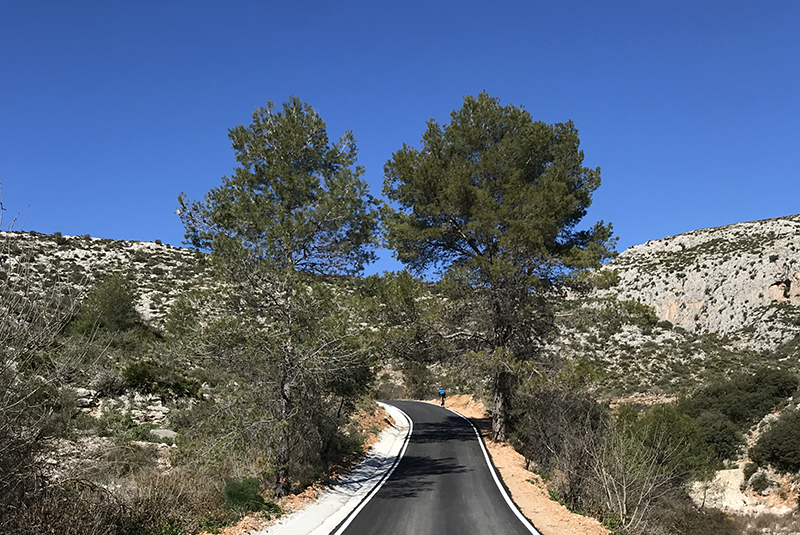
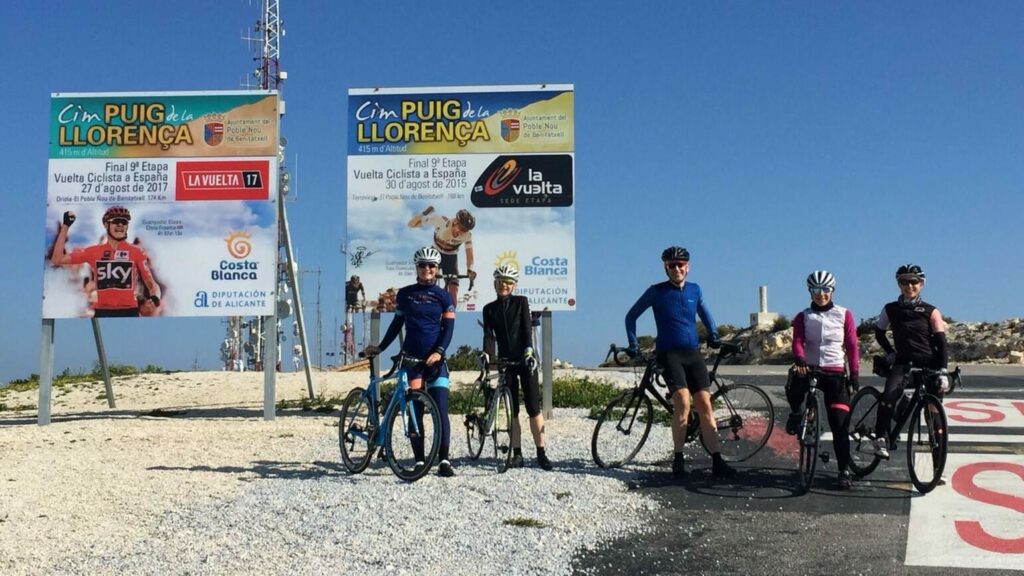
    Calpe is a region in the south of Spain which, as well hosting the nightclubs of Benidorm, is also home to a network of spectacular roads & climbs.  It’s a hugely popular destination for professional & amateur cycling teams alike and enjoys a great climate all year around. The area is a regular haunt of the annual Vuelta España and is home to the fantastic short steep climb of the Cumbre del Sol, the site of Tom Dumoulin’s stage victory in 2015.

    • Best climbs: Col de Rates, Port de Tudons, Cumbre del Sol
    • Best time to ride: Avoid the height of summer in July & August when coastal roads are busy and temperatures uncomfortably high. Ride with the Pro’s in November & December.
    • Bestselling Tour: Classic Climbs of Calpe
    • Find out more: Read our guide to winter cycling in Calpe.

    Interested in Cycling in Spain?

    To find out more about our European Cycling Tours give us a call now on +34 972 754 301 or contact us online! We can talk you through the regions and help you to work out where you’ll be happiest on a bike!

    P.S. Enjoyed this blog? Why not sign up to receive notifications every time we post and get regular updates on our latest tours!