Blog

  • The best self-guided bike tours in Europe

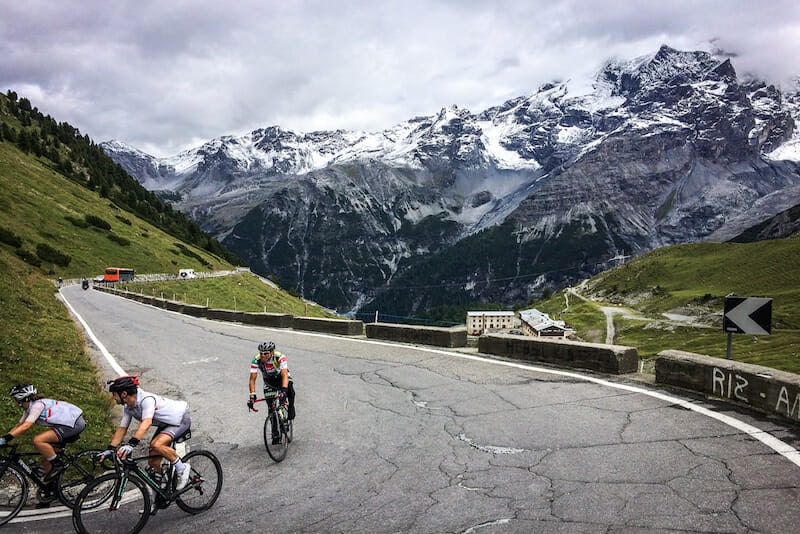
    For many of us, the beauty of exploring new destinations by bike lies in the opportunity cycling gives us to move at our own pace, pause when we need or want to, and uncover hidden gems that might otherwise be left unturned. Our selection of self-guided bike tours in Europe has been carefully hand-picked and curated to offer riders just that: freedom and autonomy to explore some of the most beautiful locations on the continent. We do the legwork before launching any self-guided bike tour, plotting routes and scouting points of interest to make sure each trip showcases the best of each region in terms of riding, cuisine, culture, and hospitality. 

    When you book a self-guided bike tour with Eat Sleep Cycle, you get a detailed itinerary with route information and our recommendations for places to see en route and stop for coffee, lunch, afternoon snacks and the best spots to enjoy your evening meals. Your accommodation and luggage will be waiting for you each evening after each leg of the journey (daily luggage transfers are included) and we’re a phone call away should you need any support. 

    Self-guided cycling tours in Spain

    Our self-guided bike tours in Spain offer riders a chance to get to know some of the lesser known roads, routes and regions of this fantastic country. Spain is a haven for cyclists of all disciplines. Home to the Vuelta a España, one of road cycling’s most prestigious grand tours, one of Europe’s most amicable climates, and a wealth of routes on both the mainland and surrounding islands, Spain is an ideal destination for cyclists looking to take their time, and combine great hospitality with fabulous local food and a rich culture. 

    Mallorca 

    Just off the mainland in the Balearic archipelago, we find Mallorca. Sun, sea and sand aside, Mallorca provides incredible cycling opportunities that attract cyclists from all over the world, even pro teams train here. The island boasts a network of well-maintained roads that wind through quaint villages, alongside cliffs, coastline and vineyards, and take on some of the most challenging climbs in Spain. Our Self-Guided Tour of Mallorca takes riders up into the Tramuntana Mountains, a UNESCO World Heritage Site, Mallorca’s wild and rugged mountain range running along the island’s southwest to northeast coast. 

    One of our favourite routes is a Tramuntana special. The route starts from the island’s capital, Pollença, and heads west into a steady 10 km ascent to reach 600 m in the heart of the Tramuntana Mountains. From there, the route descends to the Port of Sa Calobra on the coast,  from where the only way out is by boat, or by retracing your steps back up the 10 km climb. It’s a magical and hugely rewarding experience, with a picnic lunch at midday to refuel. As all routes are autonomous, you set the dates. Spring and autumn are the best seasons for riding in Mallorca, avoiding the sizzling heat of the summer, and the fierce winds and rain in winter. 

    Girona

    Girona is another hugely popular destination for self-guided bike tours (and home to the first Eat Sleep Cycle hub!). Girona is located in Spain’s northern region of Catalonia, just over one hour’s drive from Barcelona, and about one and a half hours’ drive from the French border. This unique destination is alive with cycling culture, fantastic infrastructure, a rich medieval heritage and plenty of opportunities to soak up the region’s beauty and charm on two wheels. For road riders, the region is known for iconic climbs like Els Àngels and Rocacorba, which are easily accessible for guests using Girona as a base, while numerous gravel tracks criss-cross the hills and mountains, out to the stunning Girona coast, giving riders a chance to discover adventure off the beaten track.

    We have curated various self-guided bike tours in and around Girona for both road and gravel riders. Given our proximity to France, several of our routes head up into the Pyrenees mountains and across the border, offering riders the chance to experience the changing landscapes, cultures, people and languages that have shaped each region and town’s identity. For example, our five-day Catalunya North Gravel Self-Guided Tour introduces riders to epic climbs such as Col du Fortou and Col d’Ares, as well as ancient towns like Castellar de la Muntanya. Our five-day Mountains of Catalunya road bike tour takes riders from the Pyrenees, through the Serra del Catllaràs and the Guilleries-Savassona national park, with plenty of  numerous colls, sweeping descents, scenic mountain tops to sink your tyres into. 

    Andalucia 

    Andalucia is the Spanish mainland’s largest and southernmost region, spanning 87,597 square kilometres from the Mediterranean coast in the east to the Atlantic Ocean in the west, and bordering Portugal. Andalucia’s vast terrains encompass desert, forestland, snow-capped mountains, valleys and rolling hills, mostly used for olive, almond, mango, avocado and orange cultivation. This rich variety has created a stunning tapestry of landscapes, and a haven for all road, gravel and MTB riders to explore. 

    Starting in the east of Andalucia, we find the city of Almeria lying between the Cabo de Gata-Níjar Natural Park and the Sierra de Los Filabres. Beyond the Sierra lies Granada, home to the tradition of tapas, the historic Albaycín, and the Alhambra, one of the best-preserved palaces of the historic Islamic world. Between these two worlds, lies the Badlands. Our Badlands Epic: Granada to Cabo de Gata Self-Guided Tour Gravel Tour starts in the historic city of Granada, before winding through the dramatic desert scenery of the Gorafe and Tabernas Badlands, with other-worldly rock formations and arid plains create a unique backdrop. The tour spans seven days of truly epic riding, culminating in the gorgeous Cabo de Gata-Níjar Natural Park. It’s a grizzly but incredibly rewarding experience, and one we highly recommend to anyone seeking true adventure. 

    If you’re looking to explore a wider range of Andalucian landscapes, the Classic Andalucia Self-Guided Road Tour heads from west to east across the region, offering an intimate introduction to this stunning part of the country. Highlights include the cities of Antequera, Ronda and Granada, the Alhambra, the Sierra Grazalema Natural Park, the Sierra Nevada, and much more in between. This is a seven-day bike tour that spans almost 400 km, giving self-guided riders the opportunity to get a real taste of the region, its terrain and landscapes, its food and culture. Andalucia is principally agricultural, an identity not only reflected in the scenery, but also in the region’s ventas, traditional roadside restaurants where riders can refuel with hearty, home-cooked meals, such as migas (fried breadcrumbs, often served with chorizo), callos (a tripe and chickpea dish), chorizo al vino, and plato alpujarreño.

    Self-guided cycling tours in Slovenia

    Slovenia is swiftly becoming one of the most sought-after destinations for bike tours in Europe, given the country’s extensive, well-maintained cycling infrastructure, stunning landscapes, and warm, welcoming hospitality. With plenty of routes for both road and gravel riders, and for all levels of experience, Slovenia always tops our list of recommended destinations for self-guided bike tours. At Eat Sleep Cycle, we offer two self-guided tours in Slovenia, as well as the chance to design your own itinerary, to check off any hotspots or hot routes we might have missed. First of all, our Tour of Slovenia Self-Guided Road Tour is a six-night journey that showcases some of the country’s most scenic and diverse regions. 

    Starting in the capital of Ljubljana, the route heads north into the peaceful Logar Valley, a glacial alpine landscape surrounded by the peaks of the Kamnik-Savinja Alps. Riders then pass into Austria before looping back into Slovenia, continuing through the serene Jezersko region and eventually reaching the iconic Lake Bled. One of the many highlights of this tour is the stunning  Vršič Pass, a 11.7 km climb with an average gradient of 7%. This epic, winding ascent features 50 hairpin bends, offering spectacular views of the Julian Alps before a sweeping descent towards the Soča Valley. Along the way, riders can look forward to refuelling on dishes such as štruklji (rolled dumplings), traditional stews, local cheese and regional wines. 

    For riders looking to explore Slovenia’s more rugged side, the Slovenia Gravel Self-Guided Tour combines off-road adventure with the country’s stunning alpine landscapes. Starting in Ljubljana, the route leads to Velika Planina, a high-altitude plateau known for its traditional shepherd huts, isolated hamlets and panoramic mountain views. Riders continue through the tranquil Logar Valley, with quiet gravel trails winding past alpine meadows and waterfalls, and through dense forests. As with our road tour, the route takes riders to Lake Bohinj and Lake Bled, both magical and unmissable locations, with plenty of cafés and restaurants to grab a snack or meal before setting off for the final leg of the tour. Slovenia’s gravel tracks are mostly wide and well-compacted, offering generally good conditions for independent riding. 

    Self-guided cycling tours in Italy

    For riders considering Italy for a self-guided bike tour, the country’s century-old cycling culture is ingrained in its identity, reflected not only in its passionate local riders and cycling clubs, but also in the extensive network of quiet backroads, gravel tracks and winding routes through Italy’s millennia-old countryside. For example, our Florence to Rome Self-Guided Gravel Tour is a seven-day itinerary through central Italy that follows parts of the historic Via Francigena pilgrimage route. The ride starts in Florence, then heads south through Tuscany’s undulating landscape, past vineyards, olive groves and medieval villages. 

    The gravel roads, or strade bianche (from which the famous race takes its name), are a distinctive feature here, whose rugged stretches wind alongside ancient stonewalls and between sweeping hills, making this part of the tour a true highlight. The route also takes riders through the Val d’Orcia, a UNESCO World Heritage Site renowned for its breathtaking views of cypress-lined roads and charming mediaeval towns. 

    As riders continue into Lazio, the scenery gently morphs to quiet woodland trails and ancient paths, before not too long reaching the outskirts of Rome, the Eternal City, following the Tiber River into the heart of the Italian capital. Our Florence to Rome Self-Guided Gravel Tour covers 449 km of tracks and trails, stopping each night at a different, hand-picked four-star accommodation… the perfect ingredients for an unforgettable self-guided cycling adventure across one of the most iconic cycling destinations in Europe

    Want to discover the best self-guided cycling tours in Europe for yourself?

    As soon as you’re ready to travel we would love to show you around! Check out our selection of self-guided bike tours, give us a call, on +34 972 754 301, or contact us online for more info!

    P.S. Enjoyed this blog? Why not sign up to receive notifications every time we post and get regular updates on our latest tours!
  • Introducing the 2025 Girona Rental Bike Fleet

    We have exciting news for cycling enthusiasts—our 2025 Girona bike rental fleet is confirmed, and now is the perfect time to reserve your rental bike to ensure you don’t miss out!

    Every year, we enhance our bike hire fleet by keeping what works, replacing what doesn’t, and introducing the latest models so that every ride feels like a brand-new bike experience.

    What’s New in Our 2025 Girona Bike Rental Fleet?

    Colnago is Back

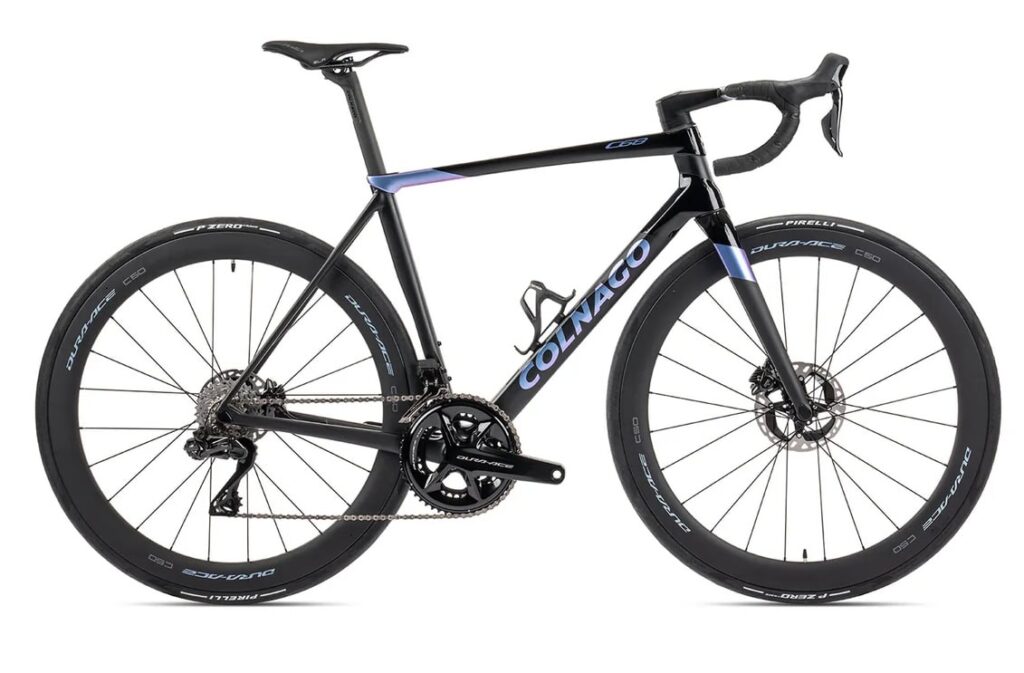
    For 2025, we are thrilled to bring back Colnago rental bikes—and this time, we have 30 of them! Our fleet includes three top-tier models:

    • Colnago C68 – A high-performance endurance road bike, featuring a lightweight frame, sloping geometry, and innovative construction that absorbs road vibrations for a smooth ride.
    • Colnago V4Rs – This is Tadej Pogačar’s race bike of choice. If it can win at the highest level, you know it’s one of the best road bikes in the world.
    • Colnago G4X – A brand-new gravel bike and an upgrade from the successful G3X, designed to tackle the ever-growing gravel cycling scene in Girona.

    New Brand in the Fleet – Mondraker

    We are excited to introduce Mondraker, a premium mountain bike brand from Spain, now expanding into gravel bikes. The Mondraker Arid is a fresh take on gravel cycling, and we invite you to try it and tell us what you think!

    Wilier E-Bikes Are Here to Stay

    Wilier e-bikes were a standout in 2024, offering riders a perfect blend of power and performance. We continue to offer:

    • Wilier Garda Hybrid – A smooth-riding endurance e-bike.
    • Wilier Filante Hybrid – A high-end performance e-road bike.
    • Wilier Adlar Hybrid – A top-tier gravel e-bike, now with optional battery extenders for all-day riding.

    Introducing the Wilier Granturismo SL

    Looking for a top-tier endurance road bike? The Wilier Granturismo SL is a brand-new 2025 model that balances lightweight performance with all-day comfort. Choose between standard or carbon wheels to match your budget and riding style.

    Upgraded Basso Palta II

    The Basso Palta II has been a favorite gravel bike in our fleet since day one, and for 2025, we’ve given it a major upgrade:

    • Shimano GRX Di2 groupset for seamless shifting.
    • Carbon wheelset for improved speed and control.
    • Integrated carbon handlebar for a sleek and responsive ride.

    Continuing the Cannondale Supersix EVO

    A true all-rounder, the Cannondale Supersix EVO is a World Tour-level road bike that’s loved by riders of all levels. Many cyclists tell us they set new personal bests on this bike!

    For 2025, we continue to offer:

    • Supersix EVO 3 – Equipped with Shimano 105 Di2, making it a more affordable high-performance option.
    • Supersix EVO 2 – Features Shimano Ultegra Di2 and carbon wheels for an upgraded experience.

    Introducing the Wilier Verticale

    One of the most anticipated new releases, the Wilier Verticale is a super lightweight climbing bike at a time when most brands focus on aero bikes. If you want to test out one of the lightest road bikes available, now’s your chance at Eat Sleep Cycle Girona.

    Book Your 2025 Girona Rental Bike Today

    Our 2025 rental bike fleet is designed to offer the best road bikes, gravel bikes, and e-bikes in Girona. Whether you’re looking for a performance road bike, an adventure-ready gravel bike, or a high-end endurance bike, we have the perfect ride for you.

    Reserve your bike now to ensure you get your top choice for your Girona cycling adventure!

  • Top Cycling Destinations for Spring and Fall

    1. Girona – Home of the Pro Peleton

    Maybe we’re biased but we think that Girona provides an amazing base for year-round riding. Early spring and Autumn are key times of year as Northern Europe is under a chill but Girona’s climate remains temperate with very little rain. September – November is the perfect time to extend late summer by taking a cycling trip to the Catalan city and explore the place that so many pros call home. No wonder, then, Girona is a perfect European autumn and spring cycling holiday. Also for gravel riders is an authentic paradise, as its surroundings are full of stunning gravel rides waiting to be discovered.

    The golden combination of city, coast and mountains in Girona means that you can explore a plethora of terrain in one single ride. In addition, unlike many tourist locations, it doesn’t completely shut up shop during winter as there are many locals and students living there. Take the perfect post-ride stroll through the old town to see the stunning Cathedral or visit one of the many excellent restaurants and cafes on offer. Access to Girona is also incredibly easy with the nearest airport a mere 12 km away and the next closest, in Barcelona, is an hour’s train ride away.

    Where to stay: in the old town, Hotel Carlemany, Hotel Nord 1901

    Top tour: try our Girona Classic Climbs tour for the perfect introduction to road cycling in Girona or get in touch for a Custom package.

    2. Mallorca – The Original Cycling Mecca

    The original cycling mecca, Mallorca has long seen sun-seeking cyclists making a pilgrimage to the island. Like Girona, it’s a fantastic destination to enjoy all year around. In line with its Catalan counterpart Mallorca boasts a combination between coast and mountains meaning that the landscape is varied. Few riders will find the Mallorcan roads too challenging, there is a combination of flat and mountainous terrain alike meaning that riders of all abilities can enjoy what the largest of the Balearic islands has to offer.

    One of the most popular rides on the island is to the Cap de Fortmentor lighthouse – the most northern point of the island, for nothing else if not a photo opportunity.  An ascent of the sinewy climb of Sa Colabra, by far the most famous climb on the island and one of the most well-known in the world is also essential. Off the bike there is plenty to see and do including visiting the capital, Palma.

    Learn more: Read our Guide to Cycling in Mallorca to plan your own trip.

    Where to stay: Sóller, Pollença

    Top Tour: Join our Mallorca tours for a true insight into island life.

    3. Andalucía – Stunning cycling, culture and history

    The Southern regions of Spain are a long-held favourite location of leisure cyclists and World-Tour teams alike. It’s no surprise that so many fly south for winter; Andalucía enjoys more than 320 days of sunshine a year and only 40 days of rain on average.

    The beautiful city of Granada is mostly known for the climb to Pico de Veleta, this is just one of the many other stunning roads within easy reach of the city. As with the rest of the South of Spain, the draw is not only the fantastic riding but also the laid-back lifestyle and delicious food and wine on offer, re-fuelling with some delicious tapas and a cerveza is a must.

    Where to stay: Ronda, Antequera, Granada, Málaga

    Top Tour: Travel back in time on this off-the-beaten track adventure & join our Classic Andalucia tour, take on the challange of the Badlands or enjoy amazing road riding from the city of Málaga.

    Malaga-Road-Cycling-Holiday-Self-Guided

    4. Southern Italy – Tuscany, Puglia & Sicily – Italian Classics

    If you’re a cyclist who loves breathtaking vistas, Italian food & wines and a mix of road and gravel riding then Southern Italy in Spring & autumn are destined to be your cycling paradise.

    The spring season in Italy kicks off with the Strade Bianche in March, the pro peleton flys across white gravel roads and through small Tuscan villages to the finish line in Siena. In May the Giro d’Italia takes a tour of the whole country – look out for when it visits Mount Etna in Sicily, a huge road climb for those who love a challenge.

    Where to stay: Chianti, Siena, Noto

    Join the party: Ride with us on our Tour of Tuscany & Tour of Sicily

    Tuscany landscape
    Let yourself be captivated by the bella Tuscany

    5. The Atlas Mountains, Morocco

    Fly into Marrakech to start your off the beaten track cycling adventure.

    Morocco Atlas Mountains Tour offers an authentic experience for guests open to discovering the unique blend of Arab, Berber & European cultures that shape the heart of Morocco. It’s best enjoyed in Spring & Autumn. High altitudes mean winter brings in snow that blocks the roads & in summer the temperatures soar.

    Riding in places that you never thought you could, with the humbling hospitality from your guides and tasting the delicious Moroccan food of slow-cooked tagines, fresh juices & bottomless pots of tea. Morocco is so much more that the hectic Medina in Marrakesh & so different from the stereotypes.

    Where to stay: Marrakesh, Telouet, Imlil.

    Top Tour: Join our Morocco Atlas Mountains Tour and get off the beaten tourist track into rural Morocco.

    6. Colombia

    The city of Medellín is known as the ‘City of Eternal Spring’ and boasts perfect conditions for cycling all year around. The high alititude of the Andes makes Colombia a popular destination for pro-riders. It’s warm & friendly population are welcoming and embrace cycling as a national sport.

    Where to stay: Medellín, Antoquia

    Top Tour: Join our Colombia Gravel Adventure for a taste of riding in the Andes & the coffee region.

    7. Gran Canaria

    Just off the coast of Africa the island of Gran Canaria as a lovely stable warm climate that’s great for road and gravel cycling alike.

    Where to Stay: Puerto Mogan, Agaete, Tejeda, anywhere along the south coast!

    Top Tour: Get inspired with our Tour of Gran Canaria.

    8. The Algarve, Portugal

    This region of sourthern Portugal is heaven in Spring. With great road and gravel routes and plently of options for accommodation the Algarve has all the makings of a great spring cycling destination. A gravel bike opens up spectacular routes that hug the dramatic coastline, a road bike takes you high into the mountains.

    Where to Stay: Sagres

    Top Tour: Get off road in the Algarve on our Algarve Gravel Tour!

    Inspiring Early Spring/Autumn Cycling Spots

    Inspired? Each of the our Early Spring/Autumn cycling spots above give you the ability to indulge in a cycling tour or training session with a warm and sunny climate to be enjoyable! For more information or to find out about how we can tailor a winter trip to your needs email us on tours@eatsleepcycle.com or contact us online!

    P.S. Enjoyed this blog? Why not sign up to receive notifications every time we post and get regular updates on our latest tours!

  • A Cyclist’s Guide to Gravel Cycling in the Badlands of Andalucia

    The Badlands are a unique collection of landscapes that have been put on the gravel cyclists’ radar by the annual Badlands Ultra event. Every year 500 cyclists sign up to race a 600km self-supported route non-stop. The race starts in Granada, heads east through the Sierra Huetor to the Gorafe desert, then turns south through the Tabernas desert en route to a spectacular finish along the coast at Cabo de Gata.

    Our Cyclist’s Guide to the Badlands is all about how best to enjoy the region at a more relaxed pace, we’ll cover the cycling highlights, where to stay, what to eat, cultural highlights and of course when to ride & what to pack. Let’s go!

    Badlands Cycling Highlights

    Each region listed below can easily support 3 or 4 days of unique riding. The beauty starts when you put them all together and witness the dramatic changes in landscape from olive groves, forests and snow-capped high mountains to desert ravines & ramblas and the spectacular Mediterranean coast.

    1. Granada – La Vega, Sierra Huetor, Sierra Nevada

    The city of Granada provides the perfect starting point for the adventure. Cobbled streets rise to the Alhambra palace and to gravel trails beyond.

    To the west of the city you’ll find the olive groves of La Vega with gentle rolling hills perfect for a leg loosening ride after a long journey.

    To the north east is the Sierra Huetor, full of steep forested slopes and spectacular vistas.

    To the south east the Sierra Nevada rise above the city. Snow capped peaks in winter make a picturesque backdrop to the Alhambra. The mountain range is home to challenging gravel rides and the mighty Pico de Veleta.

    2. Gor & the Gorafe Desert

    100 kms from Granada you’ll find the tiny village of Gor, and to the north the village of Gorafe, gateway to the Gorafe desert. The landscape is astonishing, marked with deep gullies formed by thousands of years of erosion and full of beautiful colours.

    At an altitude of xx the desert rises and falls, making for challenging and rewarding riding. Look out for vultures circling high above.

    3. The Tabernas Desert

    Journey south from Gor to Tabernas and the desert which provides the location for the shooting of the Spaghetti Westerns of the 1950s, Indiana Jones & most recently Black Mirror.

    The cycling highlights have to be the deep ramblas (dry river beds) that cut through the desert.

    4. Cabo de Gata

    The first UNESCO nature reserve in Andalucia, the Cabo de Gata provides a spectacular backdrop to the finish of the Badlands route. A dramatic coast road rises up and down providing a stunning finish to the ride.

    Food & Culture Highlights

    The whole area is packed with Espectaculos! Here’s our top 5 not to miss culture moments:

    1. Visit a movie set – take an afternoon off in Tabernas to go and see a film location. If you’re lucky you’ll also get to see an ESPECTACULO!
    2. Watch Flamenco – Andalucia is full of Flamenco music & dance. You’ll likely see some street performances in Granada or book to see a show in a local tablao
    3. Go to the natural spa – a few kms from Gor bathe in mineral waters heated by volcanic activity.
    4. Race track – for something different head of the Circuito de Andalucia race track.
    5. Visit the Alhambra – the palace and gardens of the Alhambra are a must visit when you are in Granada. Book a ticket ahead of time and block as much time as possible to wonder around and soak up the history. Watching the sunset over the Alhambra from the Mirador San Nicolás viewpoint is also a must.

    Food is an essential part of any journey through the Badlands. Here’s my favourite food moments:

    1. Jamon y Queso – the backbone of local food! Avoid ham and cheese before travelling to Andalucia, you’ll eat enough for the coming few months during your visit.
    2. Vino dulce – this little glass of sweet wine packs and is delicious as an aperitif or digestive.
    3. Paella – squeeze in with the locals for a paella lunch at the weekend on the coast. Although originally from Valencia paella is enjoyed all over Spain and happens to provide great carbs for the next ride.
    4. Tapas – an Andaluz classic. Head to the Saint Germain district in Granada and bar hop.
    5. Ensalada Mixta – to balance all the fried food a good mixed salad is essential. The usual combination involves crunchy lettuce, tuna, olives, cucumber and big chunks of tomato.

    Where to Stay

    There are plenty of great options for those of us normal folk not wanting to spend the night in a bivvy bag on the side of a road or wedged into a bus stop… Here’s an ever expanding list of our favourite places to stay.

    Granada

    Gorafe

    Tabernas

    Cabo de Gata

    When to ride the Badlands

    The area can be enjoyed all year around although it’s advisable to avoid the brutal heat of July and August when carrying enough water becomes an issue. September to June provide ideal cycling conditions. January & February are cooler but still really comfortable to ride in.

    What to Pack for Riding the Badlands

    This depends on whether you’re riding self-supported or have vehicle back up or luggage transfers, however there some essentials to ensure comfort whilst riding.

    • Cycling mitts – give your hands some extra padding on rough terrain
    • Lip balm and a good face moisturiser – a lovely luxury before and after the ride, dry skin can crack and get sore over a week.
    • Suncream – even in winter the sun can get strong
    • Cycling kit – the usual! My advise for the ‘winter’ months is to pack layers over heavy duty winter kit, it can get up to 20 degrees in the heat of they day.
    • Mini first-aid kit (just in case and you’re in the middle of nowhere)
    • Bar bag/saddle bag – especially if you’re riding self-supported it’s good to have extra carrying capacity
    • Camel Back in summer – if you’re crazy enough to ride in July & August you need to carry as much water as possible. Re-fuel stops are few and far between adn the heat will be intense.
    • Warm jacket for the evenings. It can get cold when the sun goes down and you’re staying at altitude.

    How to get to the Badlands

    Fly in to Málaga, Granada or Almeria. There’s a train from Málaga and Almeria to Granada (you can take a bike on the regional slow speed, the high speed requires a reservation and the bike packing into a small-ish box).

    Eat Sleep Cycle can also arrange bike friendly private transfers to your start location.

    Want to Find out more?

    If you’re interested in discovering the magic of Badlands get in touch! You can also browse our self-guided and fully supported tours from our Badlands page. Our itineraries have been designed meticulously in colaboration with route-master & founder of Badlands, David. We offer full flexibility and love to work with private groups too.

  • Why is cycling popular in Italy? 

    It’s difficult to meet with cyclists for a ride, or just a coffee, and not touch on the subject of cycling in Italy in some shape or form. Whether it’s the Giro d’Italia, Italian cycling routes, or Italian bike manufacturers, Italy blends history, tradition, travel, competition and pure enjoyment under one roof. But, why is cycling popular in Italy?  

    Well, the answer lies in the nation’s love for this historic sport, the endless roads and breathtaking landscapes that feel as if they were designed to be ridden on two wheels, and a rich history of legendary races and iconic riders. 

    Pedalare! Pedalare! Italian cycling history 

    Cycling has been a huge part of Italian culture since the late 1800s, when the first official races were organised. This marked the start of the country’s love for cycling. In 1894, the Italian Cycling Federation (Federazione Ciclistica Italiana, FCI) was set up, which gave the sport a more formal structure to develop and flourish. The early 20th century saw the birth of the Giro d’Italia in 1909, inspired by the success of the Tour de France. Organised by the newspaper La Gazzetta dello Sport, the first race simply aimed to boost circulation of the publication, and featured 127 riders covering a total distance of 2,447.9 kilometres. Italian cyclist Luigi Ganna took the title of first champion of this gruelling event.  

    The period between the wars and the years following World War II are often called the golden era of Italian cycling, mostly due to the epic rivalry between Fausto Coppi and Gino Bartali. They achieved amazing things, which made the sport hugely popular and boosted national morale during uncertain times. Fast forward to the twenty-first century and cycling is one of the nation’s most beloved sports. In 2020, regions like Lombardy, Veneto, and Tuscany boasted the highest number of cycling clubs affiliated with the FCI (Lombardy leads with a total of 629 clubs).  

    The Giro d’Italia continues to be the pinnacle of the Italian cycling calendar. Over the years, sponsorship has grown and the prize money has increased. In 2019, the winner Richard Carapaz won over €265,000. Traditionally a male dominated sport, since 1988, Italy has celebrated the Giro d’Italia Women (formerly known as the Giro Donne), which has slowly but surely become the most important international event for female cyclists. Today, both Italy ranks sixth in the world in the UCI World Ranking, (a summation of points of the first 8 riders in the UCI world ranking), a sign of the nation’s ongoing commitment to the sport.  


    Why is cycling popular in Italy? 

    At first glance it seems obvious. Anyone who has been cycling in Italy will have felt the passion with which the locals approach the sport and culture. From the cafés to the bikes themselves, Italians’ love for cycling stands up to its reputation. Let’s break it down, from spoke to snowy peak… 

    Scenic routes and perfect terrain 

    For one thing, Italy boasts some of the most beautiful landscapes in the world. The variety of terrain across the country provides a playground of options for every kind of rider. The popularity of cycling in Italy is clear once you’ve ridden them…  

    For challenges, head north into the Dolomites for uninterrupted climbs and descents, alpine views, warm local hospitality and a million ways to test your endurance. For rolling vineyards and leisurely rides, think Tuscany, the Prosecco Hills, the Via Francigena from Florence to Rome, where you can drink in the beauty of the Italian countryside, fuel up at roadside osterias, and ride one of the oldest pilgrimage routes in Europe, established during the seventh century AD.  

    For coastal flats and volcanic climbs, head south to Sicily to weave through ancient towns such as Taormina and Syracuse. Every corner has stories to tell of a tumultuous past marked by numerous invasions and rule by various civilizations, from Greek to Roman, Arab, Norman and even Spanish.  

    Cycling as a lifestyle 

    Cycling is more than a sport in Italy. As a very community-led society, cycling serves as the ideal activity to bring together generations of cyclists, friends and family members. Cycling groups are often about more than just riding; they also value the shared experiences before and after the passeggiate (group rides), and the camaraderie that comes with them. The presence of so many hundreds of clubs up and down the country is also a testament to the popularity of cycling in Italy.  

    A warm, sunny climate 

    While it is best to avoid cycling in central and southern Italy in the height of summer (July and August), the country offers near perfect riding conditions throughout the year. The warm temperatures and long hours of sunlight have contributed to a love and tradition for outdoor living. Gearing up for a ride is quick and uncumbersome, given there’s no need to pack on layers of insulation. As long as there is enough room for a couple of water bottles and snacks in your back pocket, cycling in Italy can last for hours…  

    July and August can be the best times for exploring Italy’s northern regions, such as Piemonte (our Tour offers a taste of the cuisine, art and culture and a glass or two of some of the world’s best wines), or in the Dolomites. The peaks in this mountain range can reach over 3,000 m in altitude, with the majority exceeding 2,500 m, which makes for some seriously fresh rides. But in summer, as the sunlight warms the mountainside, this landscape is bursting with life, and offers wonderfully mild temperatures of between 10ºC and 25ºC. Sunscreen is a must for safety reasons, as well as high-quality sunglasses that help prevent glare from the road. 

    Italian bike craftsmanship 

    Like most products made in Italy, Italian bikes are known for their exceptional quality. Brands such as Bianchi, Colnago and Pinarello have made a resounding impact on the international bike industry, setting standards for style and manufacturing that reflect Italians’ dedication to excellence. Bianchi for one is known as the world’s oldest bike manufacturer, having been established in 1885 by Edoardo Bianchi in Milan.  

    Colnago (an Eat Sleep Cycle favourite) is slightly younger, having started out in 1954, is a brand synonymous with racing. This brand’s obsession with quality and innovation led to the C40, the first carbon-fibre bike to win a major cycling race —the 1995 Paris-Roubaix (Franco Ballerini was riding). The frame, combined with the straight-sided fork (Precisa), was ahead of its time and offered its riders huge performance advantages. The brand has now expanded into All Road and Gravel models, including the “ultimate” C68

    Another timeless Italian brand, again, synonymous with racing: Pinarello. The brand took off in the 1960s and 1970s (the doors of the Cicli Pinarello bike shop first opened in 1952), with riders achieving some incredible victories in major races. Pinarello’s passion for innovation is clear, as they’re always coming up with new advanced materials and designs, helping them reach the status of one of the top dogs in the cycling world. Pinarello also has a special relationship with five-time Tour de France winner and two-time Giro d’Italia winner Miguel Indurain, who, according to the owners themselves, turned Pinarello into a symbol of speed.  

    Want to find out more about cycling in Italy? 

    If you’re still wondering why is cycling popular in Italy, perhaps it is time to find out for yourself… As soon as you’re ready to travel we would love to show you around! Check out our Italian cycling Tours or give us a call now on +34 972 754 301 or contact us online for more info! 

    P.S. Enjoyed this blog? Why not sign up to receive notifications every time we post and get regular updates on our latest tours! 
  • Is Slovenia good for cycling?

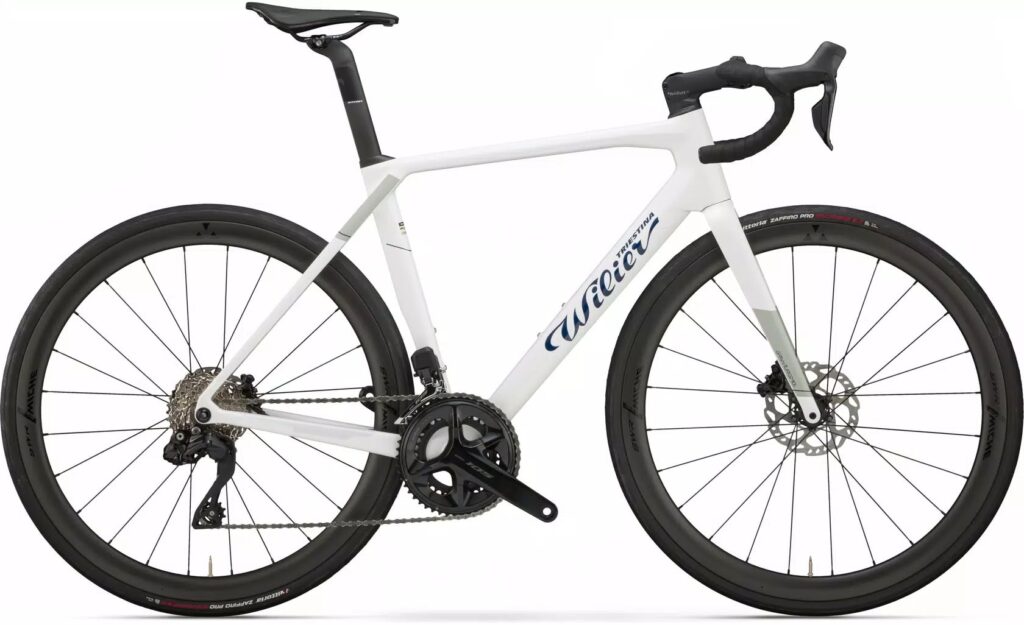
    Slovenia is swiftly becoming one of Europe’s top cycling destinations. This friendly nation, nestled between the Adriatic, Italy, Austria, Hungary and Croatia, offers a rich tapestry of landscapes, from the towering peaks of the Julian Alps to the rolling vineyards of Styria, and the sun-kissed coastline. Is Slovenia good for cycling? From us, it’s a resounding yes. But let us show you why…


    Cycling in the Julian Alps

    The Julian Alps are the cream of the crop for breathtaking road cycling in Slovenia. This untamed alpine playground is a not-so-hidden gem for cyclists, attracting visitors from all over the world to its stunning peaks and glistening lakes. Tucked beneath the borders of Austria and Italy, the dramatic mountain range is crowned by Mount Triglav, the country’s highest peak and an enduring national symbol. As the heart of Triglav National Park, the Julian Alps boast an incredible variety of cycling routes, offering a special sense of magic beyond the well-worn routes of France, Italy, and Spain. 

    For riders looking for a challenge, ascents such as the Vršič Pass and Mangart Saddle provide hours of endurance-testing climbing. The Mangart Saddle, for example, stretches for 10 km with nearly 1,000 meters of elevation gain and an average gradient of 8.8%. Surrounded by jagged peaks and wildflower meadows, the views may remind visitors of the Dolomites. But these tough ascents, coupled with smooth, scenic routes that wind past calm lakes, through forests and valleys, are unique, demonstrating Slovenia’s natural beauty and diversity.  

    Slovenia’s bike-friendly culture 

    Slovenia’s commitment to cycling is evident as soon as you set foot in its stunning capital, Ljubljana, which even has a successful BicikeLJ bike-sharing programme. Beyond the city limits, the country boasts an extensive network of well-maintained bike paths and trails that crisscross the country’s landscapes. Drivers are considerate and there is generally a great deal of respect for traffic rules, making Slovenia an ideal destination for a cycling holiday

    The nation’s passion for cycling is undeniable, evidenced by the resounding success of Slovenian cyclists on the global stage. Champions like Tadej Pogačar and Primož Roglič have brought international acclaim and ignited a surge in local enthusiasm for the sport. The success of these unstoppable professionals has inspired more young people to join cycling clubs and participate in races, leading cycling to become a firm, modern feature of Slovenian culture. 

    Slovenia

    Cycling the Adriatic Coast 

    Slovenia shares a small but stunning portion of the long Adriatic coastline, which also spans Italy, Croatia, Montenegro, Albania, and all the way down to Greece. Though Slovenia’s stretch is just 46 km long, it is no less impressive than its neighbours’, with beautiful towns such as Piran and Koper, the former boasting some incredible Venetian architecture. Riders cycling this coastline often start their journey in the Italian city of Trieste, having begun the famous Parenzana Trail.  

    This beloved route follows a former narrow-gauge railway line and meanders from Italy into Slovenia before continuing down into Croatia. The cycle paths are well-maintained —another sign that Slovenia takes cycling seriously— and offer plenty of opportunities to stop off and sample local food, such as školjke na buzaru (mussels in a rich garlic and white wine sauce) in Piran, or a slice of gibanica, a layered pastry served across the region. 

    The Eat Sleep Cycle Slovenia cycling tours 

    We’ve scoured the globe for some of the most exciting, beautiful and culturally rich cycling destinations, and Slovenia is a firm favourite among the Eat Sleep Cycle team. We have two Slovenia cycling tours, one road, one gravel, that aim to show our guests the best riding this country has to offer.  

    First up, our seven-day Tour of Slovenia. This cycling tour is principally aimed at more experienced road cyclists who want to explore the country’s most beautiful routes. We set off from the capital city, Ljubljana, heading north to the Logar Valley, famous for the Kamnik-Savinja Alps. The tour then heads west, featuring a visit over the Austrian border, a recovery day around Lake Bohinj, wine tasting and traditional Bled Cake, with plenty of kilometres and elevation in between.  

    Next we have our seven-day Slovenia Gravel tour. The routes stick mainly to wide, compact gravel roads with some quiet stretches of tarmac, so it’s a tour that’s adventurous but not too challenging. Our guests will explore routes through Velika Planina, the Logar Valley, and Jezersko, passing through dense forests, visiting Europe’s largest shepherds’ settlement, sampling culinary traditions and culminating in the awe-inspiring Lakes Bled and Bohinj.  

    Our selection of Slovenia cycling tours also includes the option to ride these routes independently, without a guide, setting your own pace as you go. These self-guided cycling tours include accommodation, daily luggage transfers, and a detailed digital Road Book, containing routes, route descriptions and our recommendations for places to stop along the way and enjoy in the evenings.  

    Want to find out more about cycling in Slovenia? 

    As soon as you’re ready to travel we would love to show you around Slovenia! Check out our Slovenian Cycling Tours, give us a call on +34 972 754 301 or contact us online for more info! 

    P.S. Enjoyed this blog? Why not sign up to receive notifications every time we post and get regular updates on our latest tours! 

  • The best cycling routes in the Alps 

    The Alps offer some of the best cycling routes in Europe. Known for their skyscraping peaks, their pristine, glassy lakes, and sweeping alpine valleys, the Alps attract thousands of visitors every year to cycle, trek, ski, and immerse themselves in the breathtaking beauty of one of the world’s most iconic mountain ranges. The list of contenders for the best cycling routes in the Alps is long… Alpe d’Huez, Col du Galibier, Col du Télégraphe, Col de La Madeleine, Col de La Croix De Fer, Lacets du Montvernier. To those familiar with the Tour de France, these cols will be instantly recognisable as climbs that have tested the best cyclists on the planet, and transformed some into household names. 

    Join us as we take a virtual journey through some of the best cycling routes in the Alps and show you how to jump in the saddle to try them for yourself. 

    An introduction to the Alps 

    The Alps are the largest and highest mountain range in Europe. These truly wild landscapes reach altitudes of up to 4,810 metres at Mont Blanc, the highest peak in Western Europe, taking the form of an arc that stretches from Nice (France) to Vienna (Italy). The Alps dominate the landscape and create a natural border between these two countries.  

    With these epic altitudes and miles of untouched wilderness, the Alps are also a haven of biological diversity. They host approximately 4,500 vascular plant species, with nearly 8% being endemic. This unique flora has adapted to the diverse habitats and harsh environmental conditions of this region. Around 30,000 species of fauna call these mountains home, including a range of mammals, birds, reptiles, and insects, many of which have evolved and adapted over millennia to thrive in this challenging landscape.  

    For cyclists, this pristine wilderness and dramatic landscapes translates into some seriously unforgettable views, epic climbs and hair-raising descents. The combination of clean air, cultural and historic significance, local hospitality and physical challenges bring cyclists flocking to this region year after year. The Alps hold a special place in the history of professional cycling, particularly in the Tour de France. Since the first Alpine stage in 1911, these mountains have set the stage for unforgettable battles between the sport’s greatest riders, shaping the careers of cycling legends and giving fans countless moments of awe and inspiration. 

    When is it best to cycle in the Alps? 

    Precisely because of their location and altitude, cycling in the Alps is best in summer (or late spring, early autumn). During these months, the weather is generally mild to warm, and the roads are clear of snow, making it ideal for tackling the iconic mountain passes. Summer also brings longer daylight hours, allowing riders to extend their rides long into the evening and take in the breathtaking scenery and sunsets. Late spring and early autumn, while slightly cooler, offer quieter roads and a chance to experience the Alps in bloom or bathed in orange, autumnal hues, adding to the magic of these landscapes.  

    The best cycling routes in the Alps 

    The cycling routes in the Alps are some of the most legendary cycling routes in the world, made (in)famous for their relentless climbs, gruelling gradients, unbelievable views and their riders’ historic feats of stamina and strength. We’ve created a short guide on what we believe to be the best cycling routes in the Alps, showcasing the good, the bad and the ugly of each one.  

    Col du Galibier  

    Difficulty level: Very hard  

    Quick stats: 18 km, 1,200 m, 7% average 

    Description: At 2,642 metres, the Col du Galibier is one of the highest paved passes in the Alps. It is a gruelling climb but offers unmatched panoramic views of the surrounding peaks and valleys. Often featured in the Tour de France, it’s a rite of passage for advanced cyclists. 

    Col du Télégraphe 

    Difficulty level: Moderate to hard 

    Quick stats: 12 km, 800 m, 7% average 

    Description: The Télégraphe is often paired with the Galibier as it serves as the perfect warm-up climb. The steady gradients and lush scenery make it a rewarding ascent on its own or part of a longer ride. 

    Col de la Madeleine 

    Difficulty level: Very hard 

    Quick stats: 25 km, 1,600 m, 6% average 

    Description: Stretching for just shy of 25 kilometres with gradients averaging 6.2%, the Madeleine is a beast of a climb, long and relentless. It’s famed for its stunning vistas of the Mont Blanc massif and its demanding profile, which has made it a staple of the Tour de France, first included in 1969. During the 2021 Tour, Pogačar showcased his remarkable climbing skills on the Col de la Madeleine and cemented his position as Tour leader. 

    Col de la Croix de Fer 

    Difficulty level: Very hard 

    Quick stats: 28.1 km, 1,537 m, 5.5% average 

    Description: The Col de la Croix de Fer is not just a feat of physical stamina, it’s also a majestic feat of nature, with a mix of incredible alpine views that go from lush meadows to rugged terrain. Stretching for over 28 kilometres with an average gradient of 5.2%, it’s a favourite among cyclists for its beauty, long, unyielding ascent and demand for physical endurance. 

    Lacets du Montvernier 

    Difficulty level: Moderate 

    Quick stats: 3.4 km, 268 m, 8.5% average 

    Description: Short and very sweet, the Lacets du Montvernier is a masterpiece of road engineering, with 17 tight switchbacks packed into just under 3.5 kilometres. Its beauty and relative accessibility make it a must-ride for any cyclist to visit the Alps, especially those looking to complete a legendary alpine cycling route without committing to an entire day in the saddle.  

    Col du Frene 

    Difficulty level: Moderate 

    Quick stats: 12 km, 300 m, 3% average 

    Description: Before the gradient highs of 12% towards the top of the climb, the Col du Frene is another accessible climb for experienced riders. It features 14 hairpin turns and is known for its beautiful views. One of the preferred cycling routes in Annecy, the Col du Frene is an ideal warm-up climb before heading up into the more challenging Col de la Madeleine, or a scenic addition to a longer route. 

    Alpe d’Huez 

    Difficulty level: Hard 

    Quick stats: 15 km, 1,147 m, 8% average 

    Description: Sometimes called the “Hollywood Climb”, Alpe d’Huez has a legendary reputation in the Tour de France. Its 21 switchbacks climb of around 15 kilometres with an average gradient of 8.1%, creating a challenging but achievable ascent. The brave are rewarded with sweeping views of the surrounding peaks and a chance to follow in the tracks of cycling’s greatest, such as Bernard “the Badger” Hinault. In 1986, the Badger rode one of Alpe d’Huez’s most iconic stages in Tour de France history when he attacked early and rode solo to the summit.  

    Many of the above cycling routes are featured on our Classic Climbs of the Alps cycling tour, and on our Alps Everesting Challenge cycling tour. 

    Want to ride the Alps for yourself? 

    As soon as you’re up for the challenge, we’ll make sure everything is in place for the cycling tour of a lifetime! Check out our selection of European Tours or give us a call now on +34 972 754 301 or contact us online for more info! 

    P.S. Enjoyed this blog? Why not sign up to receive notifications every time we post and get regular updates on our latest tours! 

  • REI Adventures Closes – Who Now for Cycling Experiences?

    REI had been a trusted name in outdoor experiences since the business began offering cycling tours, offering guided cycling tours that catered to a variety of skill levels and interests – their specialism was with shorter trips, particularly their 4-day tours.

    With REI’s “Grand Départ” from the adventure cycling scene, the question arises: who will fill the gap?

    Top Adventure Cycling Tour Operators

    We’re pleased to say that the market is vibrant, with several companies providing exceptional experiences. Here are a few alternatives to consider:

    1. Eat Sleep Cycle

    Eat Sleep Cycle are a leading European cycling tours outfit with two locations in Spain – Girona and Malaga. Eat Sleep Cycle offer a range of itineraries for road, leisure, gravel & adventure cyclists. Their tours offer complete flexibility and a personalised experience, with small group tours, self-guided tours and private tours all delivered to a high quality with the goal of showcasing the best of the local terrain and culture.

    Pros:

    • Spanish business with two physical locations in Girona and Málaga, so local knowledge of the European continent.
    • Small groups on scheduled tours ensure high staff to guest ratio.
    • Minimal extra costs for private / custom tours.
    • Excellent price point for the quality of the tours.
    • Year round calendar ensures not missing out on a cycling tour, even at Christmas and New Year.
    • If you like cycling the tours are focused on the riding and riding as much as you want.
    • Flexible offering for cyclists including fully supported tours, self-guided and even bike hire only so something for every budget.

    Cons:

    • Currently tours only include cycling.
    • Relatively young business (7 years old) found in 2016 compared to some of the other top cycling tour operators.
    • Locations are being added however the other tour operators have more choice.

    Browse Eat Sleep Cycle’s cycling tours here.


    Eat Sleep Cycle merch is also available to buy online and in each cycling hub!

    2. Backroads

    Known for its high-quality cycling tours, Backroads offers a range of itineraries that cater to both road and mountain bikers. Their trips are well-organised, with experienced guides and support vehicles, ensuring a seamless experience.

    Pros:

    • Over 40 years of experience makes for flawless experiences.
    • Over 50 countries to choose from.
    • Perfect for a family vacation mixing in walking, hiking and other activities like boating.

    Cons:

    • American business means local European knowledge is recruited not ingrained into the core team.
    • The tours are great quality but come at a higher price point.
    • If you are a keen cyclist you may want to ride more than the itinerary.

    Find Backroads here.

    3. Trek Travel

    As a subsidiary of Trek Bicycles, Trek Travel specialises in cycling vacations that combine stunning routes with top-notch accommodations. Their tours often include bike rentals and expert guides, making them a great choice for those looking to explore new terrains.

    View Trek Travel’s website by clicking here.

    4. VBT Bicycling and Walking Vacations:

    VBT offers a unique blend of cycling and walking tours, allowing participants to experience destinations at a leisurely pace. Their small group sizes and local guides enhance the experience, providing insights into the culture and history of each area.

    5. Adventure Cycling Association

    For those who prefer self-guided adventures, the Adventure Cycling Association offers a wealth of resources, including maps and route suggestions. This is perfect for cyclists looking to create their own itineraries while exploring new regions.

    Even though REI Adventures has shut down, you can have no fear. There are plenty of great options out there for your next cycling experience! Whether you prefer self-guided tours on roads, gravel or high in the mountains, there’s no shortage of opportunities to explore the great outdoors through cycling. Happy riding!

  • Top Ten Tips for cycling during the winter

    If you are like me you like to rack up as many miles as possible over the winter months. Here are my top 10 tips to keep riding through the winter and make your winter miles as enjoyable as possible!

    1. Choose a suitable bike for the winter conditions

    The first tip is to make sure you’re riding a suitable bike. A great winter bike will enhance ride comfort and safety. A winter road bike is set up for harsh conditions – with wide tyres, mudguards and cheap components that you don’t mind wearing out in the rain.

    If you don’t have a dedicated winter bike and it’s wet, use your gravel bike even if riding on the road, for more grip and safety (potholes look too much like puddles). If it’s really wet or snowing use your mountain bike. In the end, as long as you are getting the miles in and staying rubber side down it doesn’t matter which bike is being ridden.

    2. Fit your bike with wider tyres

    Tyres on road bikes seem to be getting wider and wider and for good reason, especially in wet and wintery conditions. A wider tyre with less tyre pressure will provide more traction and more comfort on your winter ride. Choose a good winter tyre which prioritizes grip and puncture resistance over low rolling resistance.

    3. Ensure you’re wearing suitable clothing

    British writer Alfred Wainright famously said there’s no such thing as bad weather, just bad clothing and this could not be truer for your winter riding. Waterproof gloves, shoe covers, a good waterproof jacket are all an absolute must. If you dress for the conditions those long cold miles will jump up the scale from suffer-fest to fun!

    My favourite technical gear for winter is made by Q36.5. A kit brand with is HQ in the Italian mountains who have put their gear through the harshest of test environments.

    4. Choose your route carefully, and adpat to the conditions

    Check the weather forecast before you ride and head where things look best. Also, check the sky before you set off! There’s many a time I’ve planned a ride west into the mountains, taken one look at where the clouds are hanging low and set off in the opposite direction.

    Avoid dangerous descents too, these tend to be even worse when wet and are simply not worth the risk.

    Another tip with your route choice is to stay closer to home – if the weather takes a turn for the worse and you get caught out, you can always speed home to a nice hot shower. There’s a time and a place for heroic rides and it’s not on a bad weather day.

    5. Be prepared – Carry the right equipment

    The Scout motto also applies to winter cycling – it’s really important to carry spares in case of breakdown. Here is what I would suggest:

    • Innertubes, at least 2 (make them lightweight ones and you don’t add too much weight to you or your bike) .
    • Good pump that you’ve tested before hand and works.
    • Co2 tool and canester, because sometimes it’s too much effort to get the tyre pumped up with cold hands.
    • Chain link.
    • Multitool with chain break function.
    • Mobile phone to call for help if needed! A nice touch is to share your location with someone whilst your ride to ensure help can get on the way if needed.

    6. Don’t get hungry – carry more food than normal & hydrate!

    Carry more food than usual since your body is using more energy to stay warm – it’s recommended to consume a minimum of 40g of carbs an hour on an endurance ride, that 2 bananas an hour!

    Even though it’s cold out you still need to hydrate well to ensure you’re getting the full benefit of the winter miles. Adding Vitamin C in the mix helps keep illness at bay too.

    7. Stay safe & be seen – add lights to your bike

    I ride with small lights on my bike any time of the day. It’s a small weight addition and huge safety advantage with cars spotting me much sooner. In the winter, even if riding in the day it is absolutely critical to use lights. If it gets dark you’ll need higher power lights, upwards of 500 lumens for your front light.

    8. Ride with friends

    Riding with friends, a colleague or a cycling club helps the miles go by more easily, especially in the winter in more adverse conditions and when you haven’t got your power numbers to hit. The winter is the time of year to be more social with cycling.

    9. Aim for a good cake stop

    There’s nothing like the promise of a hot coffee and hearty slice of cake to keep you motivated to pedal. I like to time my winter coffee stops after the halfway point to make the home stretch feel nice and easy. It’s also a perfect opportunity to dry off and warm up for the remainder of the ride.

    10. Know when to give up and/or book a cycling holiday somewhere sunny!

    If it’s icy don’t go out on the road bike, if it’s torrential rain the turbo trainer is a great alternative to getting soaked. Remember, the goal is to ride all winter, not scar yourself after the first attempt and end up with the bike in the shed for weeks. Don’t forget the importantance of quality rest too.

    If the weather is getting you down and keeping you off the bike, booking a last minute flight somewhere sunny is a great plan! We’re pretty biased but Málaga & Girona are amazing places to enjoy sunshine in winter, and you can join an Eat Sleep Cycle social ride too!

  • Top 10 New Year’s Resolutions for Cyclists

    It’s that time of year that us cyclists make a new year’s resolution that next year is the year we make it to professional cycling, get the KOM on the local hill or beat the fastest guy in the club.

    Here are our top ten New Year’s Cycling Resolutions for Cyclists. Take your pick for 2025!

    1. Ride more next year
      One of my personal favourites is to simply ride more next year. Whether on the road or on mud, the aim is to rack up more miles on Strava so that total miles ridden at the end of the year is higher than this year.
    2. Start a new cycling discipline
      You may be a roady wanting to dabble in gravel or a MTBer finally taking the plunge to try road cycling. This New Year’s Resolution is about committing to try a new discipline of cycling.
    3. Get back into racing your bike.
      We quitted because we got old, overweight or kids got in the way. Whatever your excuse, this New Year’s Resolution is yours if you’re not ready to hang up the race onesy yet.
    4. Explore a new place on your bike
      There’s no better way to stay motivated on the bike than exploring a new country on your bike. Check out our Eat Sleep Cycle tours for some inspiration.
    5. Join your local cycling club
      Cycling can be a lonely hobby but cycling clubs are never far away. The group rides and camaraderie could be just what you need to keep you riding.
    6. Do your longest ride ever
      The amount of challenge this represents depends how far you’ve cycled in the past! Whatever the distance and challenge there’s nothing like the satisfaction of reaching a new milestone on the bike
    7. Lose weight through cycling
      Cycling is one of the best sports to lose weight and riding in the fat burn zone is fairly low intensity. Plus, as the kms rise you can enjoy your favourite treats without seeing the impact on your waistline.
    8. Get your partner riding in 2025
      I know I’m the luckiest man alive because my partner loves bike riding too and we can share that experience together. If you’re one of the many unlucky ones maybe it’s time to get your partner on a bike and trying it out. Be super patient and remember that we all started somewhere!
    9. Improve your best time on your local hill
      This might not sound like much but if you’re still living in the same area as your super fit racing self of years part, this can be a serious challenge. Just like achieving a new longest ride distance, new fastest time can feel oh so good. If your time 10 years ago is just too far out of reach, set a baseline time in January and work to get it that little bit faster every month.
    10. Enjoy cycling more
      If your the type to always look at your stats from a ride (AVG. Speed, power, etc) perhaps it’s time to put the GPS away and just ride your bike. It’s easy to lose the love of it when it’s all about the numbers.

    This year’s wildcard (and work with us here!), is start running. Granted, my pure roadie old me cringes at this suggestion but it seems like even some of the worlds top professionals are enjoying the odd run, why is that?

    If you’re feeling inspired to ride be sure to check out our upcoming events at our Cycling Hubs or have a browse of our Cycling Tours.