Blog

  • Italy Cycling Rules 101

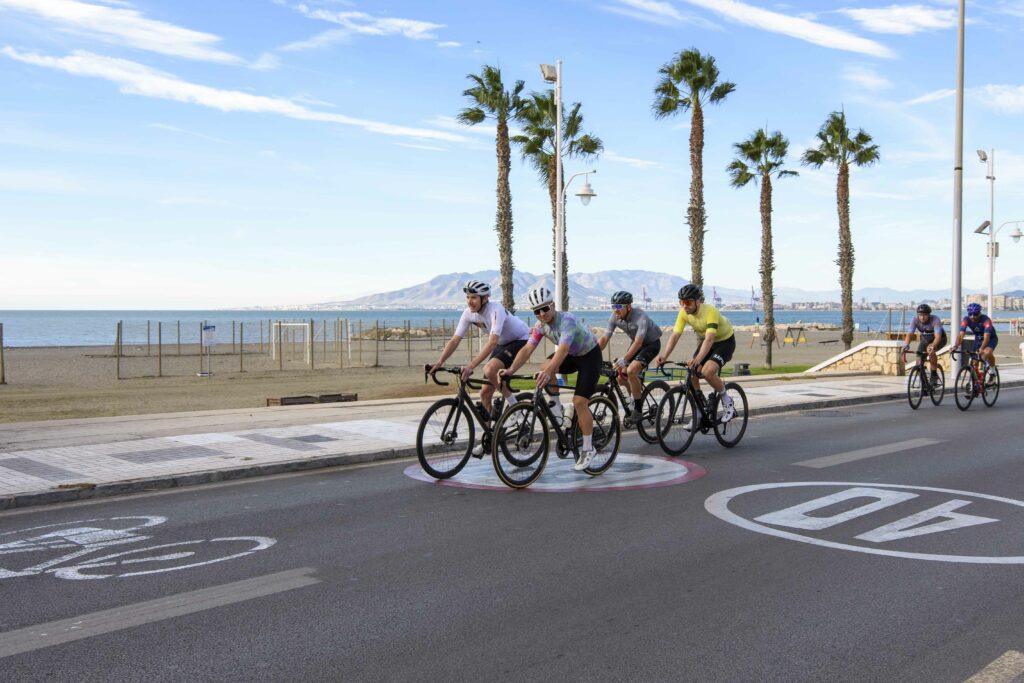
    At Eat Sleep Cycle, we’ve put together a bitesize Italy Cycling Rules 101 guide to help you ride safe and smooth on the limoncello-clad roads of one of Europe’s favourite cycling tour destinations. We curate each of our Italy cycling tours to showcase the very best of the region you’ve chosen to visit —that includes gastronomy, culture, history, and people. We help our guests unlock jaw-dropping, soul-reviving experiences that set a new standard for adventure. With that in mind, we encourage all our guests to follow best practices and local cycling etiquette to ensure a safe and respectful tour for them and others.

    Our Italy cycling tours encompass every imaginable road, trail and terrain from the Italian Alps and Dolomites to the glistening coasts of Sicily, allowing our guests to choose the cycling tour region, style and intensity that best suits their ability and goals. And as soon as the adventure gets underway, safety is our top priority.

    Even if you’ve been cycling in Italy before, we recommend reading these tips and best practices as a brief reminder before your trip. 

    Stick to the right

    If you’re joining one of our Italian cycling tours from the UK, or any other country that drives on the left, remember to pay close attention at roundabouts and intersections, especially on rural roads with no white lines. Old habits die hard. Make sure to consciously check your position at each turn. Before you know it, navigating Italy’s twists and turns will be second nature.

    Cyclists can ride two by two… if necessary 

    Cyclists love to ride in twos… we know. But we’ve also heard the rumours about Italian drivers…. We’d rather be safe than sorry. Officially, cyclists are required to stick to a single file group, though you can ride two abreast if you really need to inside towns and cities. But outside city limits, the rules get stricter. You’re only allowed to ride side by side if one of you is under 10 years old, and in that case, the child must stay to the right of the adult, closest to the verge. 

    Light your ride and stay visible

    Funnily enough, Italy has no law requiring bikes to be fitted with front and rear lights. But, there’s the law… and then there’s common sense. We recommend all cyclists to come equipped with both front and rear lights in case the ride of the day starts before sunrise, or returns after sunset. Cyclists are in fact required to wear reflective jackets, gilets or sashes when riding outside urban areas from sunset until half an hour before sunrise. Failure to comply with these rules could result in a fine.

    Stay in control

    Part of the beauty of our Italian cycling tours lies in experiencing the slow pace of rural Italy. Here, la dolce vita is more than a hashtag; it’s a way of life. As such, take extra care when cycling through town and village centres —locals may not expect a group of cyclists to appear from around a corner. Ride at a slow and controlled pace, and be ready for sudden stops or turns, keeping a safe distance from the bike in front of you. 

    Use clear hand signals

    Communication is key. Even when riding in a group, make clear hand signals when turning to let drivers and other road users know what you are doing. The earlier you warn others, the safer everyone will be. The same goes for riding in a peloton. Make sure to signal to riders behind you regarding braking, red lights, hazards in the road, etc. Check with your expert guides before starting the ride to make sure everyone is on the same page. 

    Easy does it on the descent

    Descending from the high summits of the Italian Alps and Dolomites one of the greatest rewards in cycling. And while Pidcock might make it look easy, these steep gradients and sharp turns demand respect; the slightest patch of snow or wet could end in disaster. Practise descending before you join the tour: Keep a steady grip on your brakes; control your speed before entering a corner; look through the apex, start wide, exit wide; plant your weight on your outside foot; keep a safe distance from the bike in front of you —they’ll spot any hazards before you do— and try and enjoy the views!

    Stay protected in the heat

    Italy is known for its beautiful climate; long, dry, sunny days that invite you to stay outside well into the warm night. If you’re used to riding in the heat, you know what to do. If you’re not, we recommend riding with two water bottles at all times, one with salts and the other with water. Drink little and often. While most of our Italian cycling holidays are scheduled outside peak summer months, there are always unexpected warm spells in the spring and autumn. Our expert guides will know where you can refill your water bottles, and scheduled tours will provide extra hydration on hot rides. 

    Sun protection is just as important as hydration in hot weather. Our rides often last several hours, so chances are you’ll be cycling under the sun at some point. We highly recommend applying sunscreen before every ride, even if the forecast is cloudy. Mountainous areas in Italy are known for their unpredictable weather, and the sun can break through unexpectedly. It is always better to be over-prepared and keep your skin protected. 

    Let them eat… everything!

    Eat Sleep Cycle cycling tours offer something out of the ordinary —that includes once-in-a-lifetime routes; thousands of kilometres; soaring summits; and unfamiliar roads and conditions that always require extra concentration. All that extra energy expenditure is more tiring than you might expect, so to keep properly fuelled and energised, we recommend taking full advantage of hearty breakfasts and delicious recovery dinners. Luckily, Italy is famous for its carb-rich meals and pastries, meaning you should have no trouble with meal prep. 

    If you’re on a scheduled Eat Sleep Cycle cycling tour, our team will also keep you fuelled with bars and drinks to keep the dreaded bonk at bay. 

    Pace yourself

    Whether you’re used to long rides or not, the excitement of conquering pro-level climbs is enough to get a fire lit under anyone’s wheels. But too great a push at the beginning will be detrimental to the rest of your ride. In general, our guests are riding our routes for the first time, and as such are not familiar with the distances and gradients. That’s where our expert guides come in. They will advise and support you before and during the ride to help you gauge how much ground is left to pedal, where to ease up, and where to push for maximum effort. 

    Treat your bike as an extension of yourself! 

    That means, while you keep yourself well fuelled and in the best shape for riding, your bike should be taken care of too. Minimise the risk of accidents and mechanical issues by making regular maintenance a priority, especially when abroad. Check tyre pressure, chain lubrication and brake performance before each ride, especially if you are using your own bike —if you’re on a scheduled tour, our expert guides can help. 

    If you’re bringing your own bike on tour…

    Make sure to drop your bike in for a staycation with your local mechanic before you join us on an Italian cycling tour. Although you’ll be in safe hands with our experts, an emergency cassette replacement will set you back money, and worst of all time… The best advice we can give is to ensure your bike is in the best health and condition before you pack it. 

    That being said, we always recommend hiring one of our rental bikes for Italian cycling tours. We offer premium bike hire on almost every cycling tour we run, including Basso and Wilier models for road and gravel. They are selected specifically to provide the smoothest and safest experience. 

    Eat Sleep Cycle’s 10 Essential Italian Cycling Phrases

    A destra – Right

    A sinistra – Left

    Dove si trova…? – Where is…?

    Sono in bicicletta – I’m on a bike

    Attenzione! – Watch out!

    Strada chiusa – Road closed

    Aiuto! – Help!

    Pista ciclabile – Bike lane

    Acqua potabile – Drinking water

    Foratura – Flat tire

    Want to find out more about cycling in Italy?

    As soon as you’re ready to travel we would love to show you around Italy! Check out our Italy Cycling Tours or give us a call now on +34 972 754 301 or contact us online for more info!

    P.S. Enjoyed this blog? Why not sign up to receive notifications every time we post and get regular updates on our latest tours!

  • The 2024 Ex-Rental Bike Sale is Live!

    Grab yourself a bargain bike from our 2024 rental fleet. More bikes are becoming available everyday and posted here. If you can not find what you are looking for get in touch at girona@eatsleepcycle.com.

    We replace our bike rental fleet every year to keep our rental bikes brand new and with that “new bike” feel for our guests. That means that the bikes we sell have only seen one season of use. We normally receive the bikes in March and sell them in November, that means these bikes are only 8 months old!

    All bikes come with the original manufacturers warranty (since you will be the first owner) and benefit from a full mechanical revision including replacing any worn parts (brake pads, tyres, chain, etc).

    All bikes are covered by our special protective film which we remove before shipping the bike.

    We deliver our ex-rental bikes worldwide. The bikes are heavily protected and shipped door-to-door with trusted courier UPS. Simply get in touch for a quote or for more information at girona@eatsleepcycle.com.

    Ordering from outised the EU? You can purchase your bike tax-free?Are you interested in collecting your bike from our Girona or Málaga locations? We can make you a tax-free document so you can claim the tax back in the airport before travelling home.

  • Gravel Cycling in Denmark: A Hidden Gem for Adventure Seekers

    Gravel cycling has gained immense popularity in recent years, and Denmark, known for its flat terrain and scenic landscapes, is becoming an exciting destination for gravel enthusiasts. With its vast network of dirt roads, coastal paths, and forest trails, the country offers a unique experience for cyclists who are eager to explore off the beaten path. Whether you’re an experienced gravel grinder or a curious newcomer, Denmark’s cycling culture, natural beauty, and accessibility make it a perfect location for your next gravel adventure.

    Why Denmark?

    Denmark may not have the towering mountain ranges or dramatic elevation changes seen in other gravel cycling hotspots, but what it lacks in altitude, it makes up for in diverse terrain, accessible routes, and stunning landscapes. The country is crisscrossed with gravel paths that take cyclists through charming rural areas, pristine forests, and along tranquil coastlines.

    The Danish infrastructure is extremely bike-friendly, with a robust network of dedicated cycling routes known as “cykelruter” that cover the entire country. Many of these routes feature gravel sections, giving riders the chance to explore Denmark’s countryside away from the busier, paved roads. The sense of freedom that comes with gravel cycling in Denmark is unparalleled, whether you’re riding through the rolling hills of Jutland or weaving through the coastal dunes of Zealand.

    Top Gravel Routes in Denmark

    1. Hærvejen (The Ancient Road) One of Denmark’s oldest routes, Hærvejen, offers a fantastic mix of gravel roads, forest tracks, and rural paths. Spanning over 250 kilometers from the German border to the northern region of Viborg, this route is perfect for a multi-day gravel adventure. Along the way, cyclists can pass through historic villages, visit ancient Viking sites, and immerse themselves in the peaceful Danish countryside.
    2. Gravel Tracks of North Zealand Just north of Copenhagen, North Zealand boasts a network of scenic gravel routes that take riders through dense forests, along serene lakes, and past grand castles. The Gribskov Forest and the stunning UNESCO-listed Kronborg Castle (the setting for Shakespeare’s Hamlet) are some of the highlights. These routes are ideal for a day trip, with plenty of opportunities to explore cultural landmarks and nature reserves.
    3. The Marguerite Route Known as Denmark’s most beautiful cycling route, the Marguerite Route stretches over 3,600 kilometers and covers many of the country’s lesser-known gems. Although much of the route is on paved roads, there are several gravel sections, especially in the rural parts of Jutland and Funen. For cyclists looking to explore Denmark’s natural beauty and cultural heritage, this route offers a chance to ride past fjords, meadows, and historic villages while mixing gravel and tarmac.
    4. The Wadden Sea National Park Situated in the southwestern part of Denmark, the Wadden Sea National Park offers a gravel cycling experience along the stunning North Sea coastline. The area is known for its unique tidal flats, coastal marshes, and wide-open landscapes. Gravel paths take cyclists through the park’s unspoiled nature, offering breathtaking views and an opportunity to observe wildlife such as seals and migratory birds.
    5. The Eat Sleep Cycle Copenhagen Gravel Ring! Ok, so we are a little biased but this is an amazing multi-day route starting and finishing in Copenhagen aroudn the island of Zealand. The ride takes in single tracks through forests, cruises along beautiful beaches and cuts across the Viking heartland of Denmark.

    Best Time to Ride

    The best time for gravel cycling in Denmark is during the spring and summer months, typically from May to September. During this period, the weather is mild, with long daylight hours and relatively stable conditions. Denmark’s natural beauty is at its peak in the summer, with lush greenery, wildflowers, and calm seas providing the perfect backdrop for your rides.

    While summer offers the best conditions, autumn can also be a wonderful time to explore Denmark’s gravel roads, especially if you enjoy cooler weather and the sight of golden foliage. Winter gravel cycling is possible, but the cold, wind, and occasional snow can make it more challenging.

    Gravel Events and Races

    Denmark’s gravel scene is growing, with several events and races catering to gravel cyclists of all levels. The Dirty Jutland, for example, is a popular annual race that takes riders across the rugged gravel roads of northern Jutland, offering both long and short-distance options. Another notable event is the Nordic Grvl Grinder, which is a non-competitive ride that focuses on the social and adventurous side of gravel cycling, with routes through the scenic Danish countryside.

    These events provide an excellent opportunity to meet fellow gravel enthusiasts, test your endurance, and discover new routes across Denmark.

    What to Expect

    Danish gravel roads are generally well-maintained, making them accessible to cyclists of varying skill levels. However, you can still expect a mix of surfaces, including compact dirt, loose gravel, and grassy paths. The relatively flat terrain makes most routes manageable, but there are occasional rolling hills, particularly in Jutland, where you can find more challenging climbs.

    Gravel cycling in Denmark is also a peaceful experience, as many of the routes are far removed from heavy traffic. The country’s respect for cycling culture means that even on the busier sections, cyclists are treated with care and respect by motorists.

    Essential Gear & Bike Choice for Gravel Riding in Denmark

    Gravel cycling in Denmark requires a reliable gravel bike, ideally with wider tires for better traction on looser surfaces. Since the weather can be unpredictable, especially along the coast, it’s a good idea to pack weather-appropriate clothing, including a windproof jacket and layers. Don’t forget to bring plenty of snacks and water, especially if you’re heading into rural areas where services can be sparse.

    For multi-day trips, bikepacking gear is ideal, allowing you to carry essentials like camping equipment, spare parts, and extra clothing without sacrificing comfort or speed. If you’re looking for a supported gravel ride through Denmark, check out our Copenhagen Gravel Ring itinerary!

    Final Thoughts on Gravel Cycling in Denmark

    Gravel cycling in Denmark offers a unique blend of adventure, culture, and natural beauty. The country’s extensive network of gravel paths allows cyclists to explore at their own pace, while the flat terrain and bike-friendly infrastructure make it accessible to riders of all skill levels. Whether you’re seeking a relaxing ride along the coast or a challenging multi-day journey through ancient landscapes, Denmark is a hidden gem that should be on every gravel cyclist’s radar.

    With its peaceful countryside, historic landmarks, and an ever-growing community of gravel cyclists, Denmark is fast becoming a premier destination for those looking to escape the crowds and reconnect with nature on two wheels. So grab your bike, hit the gravel, and discover the wonders of cycling in Denmark!

  • Cycling in Colombia: A Journey Through Stunning Landscapes and Vibrant Culture

    Cycling in Colombia is more than just a sport; it’s a deep-rooted tradition woven into the cultural fabric of the country. From the breathtaking Andean mountains to the lush coffee plantations, Colombia offers an unmatched cycling experience for amateurs and professionals alike. Whether you’re a seasoned cyclist or a beginner looking for an exciting challenge, Colombia is a dream destination for anyone with a passion for two wheels.

    Why Cycle in Colombia?

    Colombia’s geographical diversity is one of the main reasons it has become a mecca for cyclists. The country boasts everything from high-altitude mountain passes to flat coastal routes, offering something for every type of rider. In addition to its natural beauty, Colombia has a rich cycling history, producing world-class athletes like Nairo Quintana, Rigoberto Urán, and Egan Bernal – names synonymous with the pinnacle of road racing.

    Iconic Cycling Routes

    1. Alto de Letras: Dubbed one of the longest climbs in the world, Alto de Letras is a must-ride for any serious cyclist. Spanning over 80 kilometers with an elevation gain of 3,800 meters, this climb is a test of endurance and determination. Starting in the warm town of Mariquita and ending at the cold, misty summit, the route offers an intense challenge along with spectacular views of the Colombian landscape.

    2. Bogotá’s Ciclovía: If you’re visiting Colombia’s capital, the Ciclovía is a perfect way to explore Bogotá by bike. Every Sunday and on public holidays, more than 120 kilometers of city roads are closed to vehicles and open to cyclists, runners, and walkers. It’s a unique urban experience, blending fitness with a sense of community as you glide through the city’s streets alongside locals.

    3. The Coffee Triangle: The Eje Cafetero, or Coffee Triangle, is another region worth exploring by bike. This lush area is home to rolling hills, vibrant green landscapes, and picturesque coffee plantations. Cycling through small towns like Salento and Manizales provides a mix of challenging climbs and tranquil, scenic routes. Along the way, you can stop at coffee farms for a taste of Colombia’s world-famous coffee.

    4. Medellín to Guatapé: For those based in Medellín, a popular cycling route is the ride to the colorful town of Guatapé. The journey takes you through a mix of rolling hills, open highways, and quiet country roads, all leading to one of the most beautiful destinations in Colombia. The famous El Peñol rock offers an unforgettable view for those who make it to the top.

    The Rise of Competitive Cycling in Colombia

    Colombians are passionate about cycling, and it’s no surprise the country has produced some of the best professional riders in the world. Colombia’s high-altitude terrain has been a natural training ground for cyclists who excel in climbing, a skill critical in races like the Tour de France. Riders like Egan Bernal, who won the 2019 Tour de France, have brought global attention to Colombia’s cycling scene.

    The annual Vuelta a Colombia is one of the most prestigious races in South America and serves as a proving ground for up-and-coming Colombian cyclists. The event attracts both national and international competitors, showcasing the country’s challenging terrain and cycling culture.

    Alongside the pro-peleton races ultra-cycling is on the rise too. The Transcordilleras is an unsupported gravel race across the Colombian Andes:

    Beautifully captured – this documentary tells one of the stories from the 2022 edition.

    Practical Tips for Cycling in Colombia

    1. High Altitude: Many of Colombia’s best cycling routes are at high altitudes, which can be challenging for riders unaccustomed to the thinner air. It’s important to allow your body time to acclimatize, especially if you’re planning to tackle some of the steeper climbs like Alto de Letras or rides in Bogotá.

    2. Weather Variability: Colombia’s diverse geography means that weather conditions can change rapidly. In the mountains, you can experience sun, rain, and fog all in the span of a few hours. Pack layers and be prepared for wet weather, especially during the rainy seasons (April-May and October-November).

    3. Safety and Road Conditions: While many of Colombia’s main cycling routes are well-paved, some rural areas may have less maintained roads. Keep an eye out for potholes and be mindful of traffic, especially on busy roads. Colombian drivers are generally respectful of cyclists, but it’s always a good idea to wear bright, visible clothing and a helmet.

    Cycling and Colombian Culture

    Cycling in Colombia isn’t just about the ride—it’s about the experience. Along the way, you’ll have the opportunity to connect with local communities, taste traditional Colombian food, and immerse yourself in the vibrant culture that makes the country so special. Whether you’re stopping for a warm arepa at a roadside stall or sipping freshly brewed coffee at a family-run farm, you’ll find that cycling in Colombia is as much about the people you meet as the terrain you conquer.

    Essential Tips for Cycling in Colombia

    Eat Sleep Cycle founder Louise headed to Colombia to learn first hand about the riding there. Watch our You Tube video for her top tips!

    Final Thoughts

    Colombia’s reputation as a cycling paradise is well-earned. The country’s diverse landscapes, challenging routes, and rich cycling heritage make it a top destination for cyclists of all levels. Whether you’re looking to push your limits on one of the world’s longest climbs or enjoy a leisurely ride through scenic coffee plantations, Colombia offers an unforgettable experience for every cyclist. So, grab your helmet, tune up your bike, and prepare for the adventure of a lifetime!

    Join the Ride!

    Colombia is amazing to visit all year around! Check out our range of gravel and road tours on our Colombia tour destination page!

  • Yorkshire and the Lake District: A Cyclists Guide

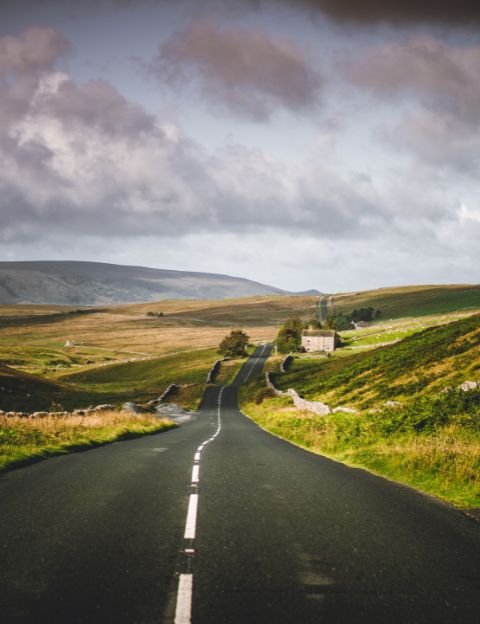
    A bike ride through Yorkshire showcases the very best of English culture & countryside. Cosy pubs, country lanes, wild landscapes, picture perfect stone cottages, cake, tea, ale, sheep, cattle and the soundtrack of birdsong. With a friendly population that loves the great outdoors and turns out in their thousands when a bike race goes past, Yorkshire and the Lake District are a perfect destination to explore by bike.

    Yorkshire and the Lake District Cycling Highlights

    In 2014 Yorkshire hosted Tour de France Grand Depart, a fantastic spectacle! Subsequent bike races included the Tour de Yorkshire and regular visits from the Tour of Britain.

    Yorkshire & The Lake District Cycling Climbs

    Fleet Moss

    Rising from the town of Hawes (be sure to visit the Wensleydale Creamery) Fleet Moss winds it’s way into the clouds. Steep ramps take you up to 600 m. The average gradient is 6% and it’s a climb that must be attacked to be conquered! The ride over the top brings fantastic views and a fast descent drops down into the beautiful River Wharfe valley.

    Cross Top

    This is not famous but makes the list for the lovely remote nature of the climb, along with the best name. The road literally goes across the top, connecting the village of Muker to Askrigg in the steepest way possible.

    Dentdale

    A tough but charming lane that connects Ingleborough to Dent. Enjoy views of Ingleborough & Whernside. The descent to the village of Dent is gated – take extreme care! 

    Hardknott Pass

    An icon of the Lake District, this climb is also know as one of the toughest in the UK. The gradients are incredibly steep. It’s just 2.2 km long but has ridiculous ramps of up to 33%! This climb is not for the faint hearted. Walking is entirely acceptable. 

    Tanhill

    At the top is the highest pub in Britain. It’s a mecca for motorcyclists and has a cool vibe with live music & good food too.

    Rosedale Chimney Bank 

    Deemed as unsuitable for caravans and large vehicles this is also pretty unsuitable for cyclists! The steepest climb in Britain hits max gradients of over 30%. Only those with serious willpower make it up without putting a foot down.

    Best Cycling Friendly Tearooms & Coffee Stops 

    No trip to Yorkshire is complete without regular re-fueling at the charming local cafés. Here’s a small selection of our current favourites!

    How to Get to Yorkshire

    The closest airports are Leeds, Liverpool and Manchester, each with bus and train connections to Yorkshire.

    Another good option is to fly in to any of the London Airports and take a train north.

    Where to Stay

    There are plenty of picture perfect villages and pubs to stay in. There are several high end spa hotels too, if you’re looking for something a little more luxurious.

    The town of Harrogate is a great base to ride from. It’s also home to the famous Betty’s Tearooms (a must visit for a traditional afternoon tea) and several good accommodation options.

    The village of Settle is also well located for riding. Highlights include the annual Flower Pot festival, the village chippy, the Golden Lion pub and lots of quirky independent shops.

    In the Lakes there are plently of lux options, the futher north you go, the quieter it gets.

    A point to point trip is also worth considering – ride from coast to coast across the Yorkshire Moors, Yorkshire Dales and the Lake District and stay in bed and breakfasts, pubs and luxury hotels.

    When’s the best time to ride?

    The Yorkshire Dales & the Lake District are a popular destination for British holiday makers. But if you avoid school holidays and bank holidays and you’ll find quiet roads and deserted landscapes.

    The climate is best described as ‘changeable’ with varied weather. In late Spring, Summer and Autumn the daylight hours are long. Expect and prepare for all kinds of conditions – from glorious sunshine to rain and wind.

    What’s the best type of bike to ride in Yorkshire?

    New new wave of All-Road bikes are perfectly suited to riding in the north of England. 30c-32c tyres will bring added comfort on sometimes rough roads. A light bike with plenty of gears would also be welcome on the steep climbs. Electric bikes are also worth considering to take the sting out of riding back to back days on tough terrain.

    Want to learn more about cycling in Yorkshire?

    We offer a fabulous point to point ride across the Yorkshire Moors, the Yorkshire Dales and the Lake District, from Robin Hoods Bay to Whitehaven. Check out our Tour of Yorkshire & join us in the summer!

  • 5 mistakes to avoid on your cycling tour

    Since Eat Sleep Cycle was founded in 2016 we have taken thousands of guests on cycling trips all over the world and we see the same mistakes by cycling tour guests. Here are the top 5 mistakes I see and which I think you should avoid.

    1. Climb like Pogačar, descend like a tortoise

    Your tyres hit that smooth road and the sun is beating down. It’s like you’re glued to the road, well you are until you’re not. We always advise our guests to climb hard if you want to but always descend carefully, respecting the white line and the fact that it is your first time on the climb. Safety first and foremost. 

    2. Don’t overdo it on the first day

    Your legs are fresh and you are hungry for the leg burn so it’s easy to go full gas on the first day. 

    But how often do you ride 5, 6 or more days consecutively? So trust me when I say there will be ample time to “empty the tank” later on in your trip. We have never had a guest request more riding at the end of a cycling tour and plenty jump in the van due to too much effort expended early on.

    3. Eat, eat and then eat some more

    You are burning a lot of calories when you are riding every day and you need to put those in as quickly as possible. Your cycling trip is not about losing weight but maximising your experience and that means eating as much as you can while being able to comfortably ride. I’m sure you’ve experienced the bonk, this should be avoided at all costs on your cycling tour so you can recover well and ride again the next day.

    4. Challenge yourself on some climbs and sit up and enjoy others.

    Let’s face it, you and I are not going to make it in the professional cycling world. So whilst we love checking out our Strava times it’s also so much more emjoyable to sit up and take in the views on some climbs. Even converse with other cyclists on the way up. The next one you push on will be an even better time for it.

    5. If you bring your own bike get a full service before travelling.

    A snapped chain, badly indexed gears and worst of all a dirty bike are common with our tour guests who bring their own bike. Do you have a spare 9 speed cassette?! We advise renting a high quality and new each year rental bike for your cycling tour with us.

    But if you can’t part ways with your steed don’t be that person who holds the group up with mechanicals and support your local bike shop in the process.

  • Avoid the crowds and book a Winter Cycling tour

    You’ve been to Mallorca and ridden with the swarms of cyclists in May and you’ve even got the sunburn to show for it.

    So what’s next? Girona would be a great shout. But when will you visit? In my recent blog about the best time of year to visit Girona weather wise, I highlighted that many months traditionally out of peak season, like November through March are fantastic times to ride in Girona. There are practically no tourists and the weather is normally dry and perfect for riding. You are also much likely to cross paths with the hundreds of professionals who train throughout the winter months in Girona and who in the peak months are away racing. 

    But it’s not just Girona that Winter riding appeals to. In Málaga and all of Andalucia, professional race teams flock in the Winter months for their early season race camps. Being the hilliest province in all of Spain and also having coastal riding, a Winter ride can see you pedalling down from snow peaked mountains to a beer at the beach, all in the same day. 

    Gran Canaria has for years been visited by tourists looking to escape the cold winters of northern Europe. We advise checking out the gravel and specifically the northern part of the island to escape the crowds and experience the rugged beauty of the island.

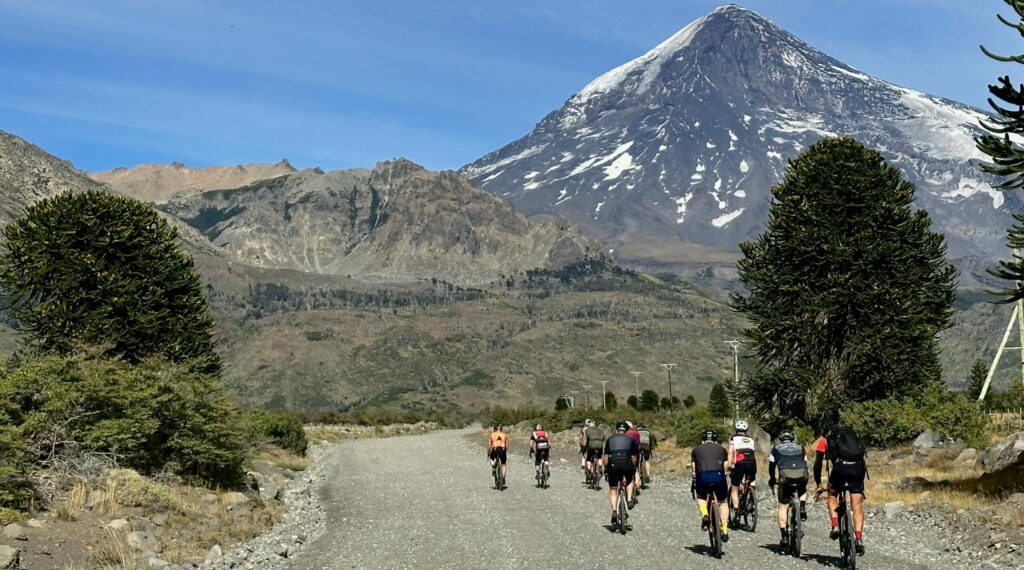
    There aren’t many places as remote as Patagonia. Enjoy nature, peace and quiet and the simple action of pedaling your bike through beautiful scenery. It also happens that whilst we are in Winter, the Summer season in Patagonia provides perfect riding conditions.

    At Eat Sleep Cycle we believe in sustainable tourism and as part of that effort we look to promote destinations for their appeal out of peak season. We believe it is better for everyone including your experience!

  • 10 things to pack for your cycling tour in the high mountains this Summer

    We are mid Spring and you are training hard for the big moment you hit the high mountains this Summer.

    But it can all go horribly wrong if you don’t read on and take note of the ten things I advise that you pack for your cycling holiday.

    1. A good rain jacket

    Even in the Summer months downpours are common in the high mountains so don’t get caught out and pack a high quality waterproof and windroof jacket which will serve you for your chilly descents even if it doesnt rain.

    You can check out our range of quality rain jackets perfect for the high mountains here.

    2. A spare derailleur hanger 

    If traveling with your own bike (we advise our tour guests to rent one of our high quality rental bikes) pack a spare derailleur hanger. Every brand and sometimes each individual bike model has its own unique derailleur hanger. In the event of an accident or damage during transit your holiday could be ruined.

    3. Sunscreen

    On our supported cycling tours essentials like sunscreen are always available in our support vehicles. In the valleys temperatures can saw and suncream is an essential.

    Check out our cyclist friendly Pelotan sunscreen here!

    4. Chamois cream

    You will be riding more than habitual and Chamois cream is essential to avoid saddle sores which can have you off your bike and being a spectator. Saddle sores and infections should be taken extremely seriously, a profesional Rider will down his/her bike in the event of any sign of a saddle sore until complete recovery. 

    The best form of attack is prevention and Chamois cream applied generously everyday will help no end.

    5. A pair of high quality bib shorts for each ride

    On our fully supported tours we offer a laundry service to ensure compete comfort and hygiene on every ride. 

    If.you are on a self supported trip it’s important to ride everyday in perfectly clean shorts. 

    6. Electrolytes 

    Nutrition on a high mountain tour is a subject in its own right but here I will highlight electrolytes as the single most impprtant supplement to have available for long days in the saddle in hot temperatures. You can substitute gels and bars with regular food and fizzy drinks but you may still overheat and get cramps because your body can not absorb the water, electrolytes will help with that.

    Again on our fully supported tours we supply the essential (and non-essential) supplements at regular intervals. 

    7. A mobile phone with a good battery and coverage 

    Of you are going solo into the mountains you should carry a charged and working mobile phone. It sounds obvious but could actually save your day if you have a mechanical or worse. 

    8. Ibuprofen!

    Personally I always carry one. Weather it’s a pulled muscle, sore back or grazed knees it can get you out of a sticky patch and back to the hotel.

    9. Navigation device with local maps loaded on

    Your GPS is an essential friend in the high mountains, least of all to record and share your epic rides. Have a clear route planned for each day and be realistic about how far you can ride in the available daylight. 20 kms up a mountains can up up to 10 times slower then riding on the flat!

    Of course this is not needed on our fully guided cycling tours. Our guides are more often from the area you are riding and know the roads and trails like the back of their hands.

    10. Lights

    I recommend that you always ride with lights on your bike even during the daytime. If a car sees you sooner it is worth doing.

    ——-

    At Eat Sleep Cycle we offer epic cycling tours in the world’s best high mountain ranges incuding the Pyrenees, Alps and Dolomites

    We have a special private guest area where more detailed resources like this are exclusively available to our guests, so they can prepare for and enjoy fully their experience with us.

  • FAQ

    Our FAQ page is designed to provide quick and easily accessible answers to all your questions about our tours. Visit our FAQ page now to find the information you need.

  • Self-Guided Tours: What to Expect

    Preparing for the Ride

    We highly advise downloading your tour itinerary head of your trip and reading through each day. Your Road Book contains links ot the routes, ride descriptions and details for the best café stops and lunch stops. It also includes the addresses of your hotels and your Emergency Contact number.

    Starting the Ride

    An Eat Sleep Cycle host will welcome you at the meeting time & location for your tour. They’ll give you your welcome pack, talk you through the itinerary and make sure you are comfortable navigating. They will also give you luggage tags to identify your bags. They will also spend time with you making sure you’re comfortable on your bike and go through a safety check with you.

    Fuelling Your Ride

    It’s really important that you carry two full bottles of water and snacks for the day. There’s nothing worse than running out of energy with km’s left to pedal. Check the weather foreacast every day (your itinerary links to a good local forecast) and make sure you’re prepared for the conditions with suncream or rain jackets!

    We recommend using a small handlebar bag to carry your daily essentials. Best to have extra snacks just in case than run out!

    Getting Lost

    If you find yourself off-track and can’t find your way back to route, we advise you call your Emergency Contact – they will ask you to share your location via WhatsApp. Subject to where you are, they’ll either give you directions to re-join your route, or, if required arrange for a taxi to collect you and take you to your accommodation.

    In the case a taxi is sent be aware that there is a fee. Be aware it may take several hours for a taxi to arrive if you are in a remote spot. Our goal is to do everything we can to get you back on track as quickly as we can.

    Dealing with Mechanicals

    It’s important that during a self-guided tour there is at least one member of the group who is comfortable fixing punctures and repairing basic mechanicals like a slipped chain.

    We provide an emergency contact number in case you require unexpected support during the ride. Depending on your location and the situation we will find the best solution for you.

    Please note any unexpected transfers are not included in self-guided trips and you will be charged a fee if you require one.

    Luggage Transfers

    Every morning we ask you to leave your bags at reception by 11:00am. These will be delivered to your next accomodation by 15:00. Please ensure your luggage tags are attached to every bag that needs transporting.

    Any more questions? Contact us at reservations@eatsleepcycle.com