Blog

  • The Giro d’Italia vs. the Tour de France

    Few events in the sporting calendar carry the weight of history, passion, intrigue, drama, blood, sweat and tears like the Giro d’Italia and the Tour de France. For over a century, these UCI World Tour races have tested the limits of human endurance and captivated audiences around the world. The Giro d’Italia and the Tour de France are ever unpredictable, thrilling, addictive and spellbinding. Every summer the conversation continues… What makes each race such a distinct masterpiece? 

    Where do you stand on the Giro d’Italia vs. Tour de France debate?

    A tale of two Tours

    The Giro d’Italia and the Tour de France are more than just races —they are living, breathing chapters in the past and present story of professional cycling. The Giro was first inaugurated in 1909, in reality to boost the circulation of the La Gazzetta dello Sport, Italy’s beloved sports newspaper. One of its most iconic moments came in 1949, when Fausto Coppi conquered the Cuneo-Pinerolo stage in a solo breakaway that stretched over 190 kilometres. The dramatic finish solidified the Giro’s reputation for action-packed, must-see racing. 

    Today, with its signature Maglia Rosa (pink jersey), the Giro is a celebration —among many other things— of Italian landscapes, from the undulating hills of the Tuscan countryside to the brutally epic (or epicly brutal) climbs of the Dolomites; of stamina, determination and the pursuit of glory, and of a nation’s passion for cycling.

    The Tour de France, born six years earlier in 1903, was similarly rooted in journalism, as it was originally launched to promote L’Auto, a French sports daily. Over the decades, the race has grown into the pinnacle of professional cycling, with its own coveted maillot jaune (yellow jersey), a symbol of excellence worn each day by the individual race leader. 

    The Tour is synonymous with prestige, having given the cycling world some unforgettable, controversial, and dramatic moments in its 121 year history, from the legendary performance of Eddy Merckx in 1969, when he claimed the yellow jersey along with the mountains and points classifications —a feat still unmatched to this day— to Lance Armstrong’s controversial dominance and subsequent downfall, and Tom Pidock’s more recent display of thrilling daring as he descended the slopes of the Col du Galibier in 2022, and became the youngest rider to win on the iconic Alpe d’Huez stage. 

    Facts, stats and stories

    The Giro d’Italia

    • Annual race dates: The Giro d’Italia typically takes place in May, and kicks off the annual cycling season as the first Grand Tour.
    • The first Pink Jersey: The iconic maglia rosa was introduced in 1931, inspired by the pink pages of La Gazzetta dello Sport, the race’s founding newspaper. 
    • The longest stage: The longest stage in Giro history was seen in 1914, and covered 430 kilometers (267 miles) between Lucca and Rome. It was won by Costante Girardengo in a time of 17 hours 28 minutes and 55 seconds.
    • First female participant: In 1924, Alfonsina Strada became the first and only woman to officially compete in the Giro d’Italia, breaking significant gender barriers in cycling, especially for her day.
    • A truly global race: Today, the Giro d’Italia is broadcast to over 800 million people across 174 countries. 

    The Tour de France

    • Annual race period: The Tour de France is held in July. At the height of summer, the race has become something of a ritual for cycling fans from all over the world, many of whom make the annual pilgrimage to follow the stages around France over the race’s two week duration. 
    • Record stage wins: British rider Mark Cavendish holds the record for the most Tour de France stage wins, with 35 victories.
    • Legendary climbs: The Col du Tourmalet has been featured more than any other mountain in Tour history, with over 80 appearances since 1910.
    • The first Tour de France Femmes: The first women’s Tour de France was held in 1955, organised by Jean Leulliot, and featured five stages in Normandy. The British cyclist Millie Robinson won this edition. But, the race did not continue in subsequent years.
    • Tour de France Femmes avec Zwift: In 2022, ASO launched the Tour de France Femmes avec Zwift, an eight-day stage race held after the men’s Tour. The event marked a significant step forward for women’s cycling, offering live television coverage and substantial prize money.

    Key differences: Terrain, identity and style

    The Giro d’Italia and the Tour de France might share the spotlight as Grand Tours, but their identities lie in what makes them special for each spectator, rider and home country. 

    The Giro d’Italia 

    The Giro typically spans 21 days of racing, which are divided into stages and held over a 23-day period, allowing for two full rest days. The Giro tends to be thought of as a race of relentless drama, featuring unpredictable terrain and weather, and routes as diverse as Italy itself. One day riders will be blazing along the sun-drenched coast. The next, battling snow at the summit of the Passo Gavia, or other classic climbs of the Giro.

    But for Italy and Italians in particular, the Giro is more than a race. The Giro is deeply embedded in national consciousness, and fosters a huge sense of pride every year. In towns, cities and villages, along the route communities come together to host festivities and enjoy regional traditions and specialities, thus strengthening bonds and serving as a chance to celebrate Italy’s heritage and contemporary life.

    Aside from the maglia rosa, the Giro d’Italia features three other important jerseys it’s worth taking a minute to understand. We also have the blue jersey (maglia azzurra), which goes to the climber who accumulates the most points on categorised mountain climbs; then there’s the cyclamen jersey (maglia ciclamino), worn by the points classification leader, and finally, the white white jersey (maglia bianca), given to the best young rider under 25. 

    The Tour de France

    The Tour de France has a similar hold on its home nation. For many French (and international) cycling fans, summer is synonymous with the Tour, which captivates millions each year, attracting over 40 million viewers in France alone in 2024. The race is also a huge boost to local economies, as national and international tourists descend upon the towns and villages that sit on the race route to watch the cyclists, support cars and cherished Tour Caravan (the vibrant parade of sponsor-decorated vehicles that precedes the riders) pass through. 

    The Tour itself consists of 21 stages spanning three weeks, including flat sprints, mountain climbs and finally time trials, testing each team to put their best rider forward depending on the style of the stage. Domestiques (support riders) work tirelessly to help these team leaders win points and stages, which could include protecting them from wind, delivering supplies, or pacing them on climbs. This combination of team and individual strategy is what makes the Tour such a unique, and gruelling spectacle of both physical and mental strength and stamina. 

    Within the overall race itself, there are many different categories of points to be won, and three key jerseys beyond the coveted yellow jersey that demonstrate the leaders in each. The polka dot jersey for the best climber, awarded to the rider earning the most points on categorised summits; the green jersey for the points leader, often a sprinter excelling in stage finishes and intermediate sprints; and the white jersey, given to the best rider under 25, highlighting young talent. Each jersey showcases different strengths, adding depth and excitement to the race.

    Our homage to the Grand Tours

    Our Classic Climbs of the Giro cycling tour offers a seven-day immersion into the Italian race’s bucket-list climbs, including the Passo Stelvio, Passo Mortirolo, Passo Gavia, Passo Giau, the Sella Ronda’s and the Passo Falzarego. Each as epic and gruelling as the next, this cycling tour requires a strong head, heart and legs. But riders are rewarded around every hairpin bend with stunning, hair-raising mountain views, and every night with our handpicked hotels and guesthouses for some serious R&R. 

    Similarly, our Classic Climbs of the Alps cycling tour is a meticulously curated, six-day experience in which our guests live and breathe everything the French Alps have to offer. Iconic Tour climbs, such as the Col de la Madeleine, Col du Galibier, and the renowned Alpe d’Huez, have all played a pivotal role in shaping the identity, history and allure of the Tour de France. Guests ride in the tracks of the very professionals we watch battle it out throughout the race season, while soaking up the sweeping landscapes, Alpine food and culture, and premium hospitality. 

    Want to ride the Giro or Tour for yourself?

    As soon as you’re up for the challenge, we’ll make sure everything is in place for the cycling tour of a lifetime! Check out our selection of European Tours or give us a call now on +34 972 754 301 or contact us online for more info!

    P.S. Enjoyed this blog? Why not sign up to receive notifications every time we post and get regular updates on our latest tours!

  • Which is the best cycle route in Slovenia?

    Identifying the best cycle route in Slovenia is a tough one. From north to south, and east to west, Slovenia offers a rich variety of terrain, culture, and climate that deserves to be explored with intent and purpose, especially on a bike. Slovenia marks the crossroads between four geographical regions: the Alps, the Dinarides, the Hungarian plains, and the warm Mediterranean. After Finland and Sweden, it is the most densely forested area in Europe, offering beautifully shaded roads, clear crisp air and gorgeously green vistas (take a look at these photos of a bikepacking trip in Slovenia ridden by one of our team members!). 

    At Eat Sleep Cycle, we have carefully curated our programme of cycling tours in Slovenia to showcase the country’s best cycling routes for gravel and road. These tours feature highlights such as the capital city Ljubljana, the Sheppards Settlement, the Vrsic Pass, Lake Bohinj, Lake Bled as well as sampling local delicacies like homemade cheese in the Logar Valley. We have designed each Slovenia cycling tour to immerse riders in the country’s natural beauty, balancing challenging climbs with stunning scenic rides, and plenty of well-deserved moments to relax and indulge along the way. 

    The handpicked hotels at each new destination provide excellent hospitality and the opportunity to try local dishes, allowing our guests to sample the culture and traditions of the different regions they visit. 

    About Lake Bled: Slovenia’s natural wonder

    Lake Bled is often listed among Europe’s most picturesque destinations. Nestled in the foothills of the Julian Alps, this Slovenian gem is a haven for walkers, cyclists, nature lovers, wildlife and birds. The lake itself reaches up to 30 metres deep in some places, and is home to 19 different species of fish, including carp, sheatfish and lake trout. Lake Bled’s tectonic structure has given rise to thermal springs on its eastern side, with year-round temperatures of over 20ºC. In the centre of the lake sits its iconic island and historic church, while the dramatic Bled Castle perches high on a cliff nearby, offering panoramic views of the surrounding mountainscape.

    Lake Bled sits within the Triglav National Park, whose alpine terrain boasts incredible cycling routes through dense forests, rolling countryside and charming villages, is a veritable playground for cyclists of all disciplines —road, gravel and MTB— and skill levels. The area is rich in biodiversity and cultural heritage, with plenty of opportunities to stop and explore mediaeval castles, fairytale Slovenian villages, and local culinary traditions, such as local cheeses, stews, Carniolan sausage, cheese rolls, buckwheat pasties and roasted potatoes.

    Can you cycle from Ljubljana to Lake Bled?

    Yes! It is possible to cycle from Ljubljana to Lake Bled. The quickest point-to-point routes average out to between 59 and 60 km with around 560 m of elevation, following a more or less straight line between the Slovenian capital and the alpine lake. The ride requires stamina and experience, but for riders used to climbing in mountainous terrain, Ljubljana to Lake Bled should be a cinch. 

    The Eat Sleep Cycle Tour of Slovenia takes a slightly longer, more scenic route up to the dazzling Lake Bled and passes briefly over the Austrian border. The first leg of our seven-day tour spans two days, first riding up into the Logar Valley. This beautiful region features alpine glacial valleys that flow into the Kamnik-Savinja Alps in the north of Slovenia. It’s a long and steady climb and a great route to start to get a feel for the country. Day one will take us north around 87 km as we gain some 1377 m. Day two features two climbs towards Slovenia’s Jezersko region, with plenty of opportunities for coffee stops before reaching Lake Bled itself.

    Cycling in the Julian Alps

    The Julian Alps are Slovenia’s mountainous heartlands; the ‘roads less travelled’ compared to the classic peaks of France, Italy and Spain. Nestled near the borders of Italy and Austria, this region is dominated by Mount Triglav, Slovenia’s highest peak and a national symbol. The cherry on the cake of Triglav National Park, the Julian Alps feature a smorgasbord of cycling routes that cater to every level and discipline.

    For climbing enthusiasts, the Julian Alps is a dream come true with iconic ascents such as the Vršič Pass and Mangart Saddle. The latter, for example, features a 10 km climb with nearly 1,000 metres of elevation gain and an average gradient of 8.8%, framed by soaring peaks and wildflower meadows that remind us of the Dolomites. But it’s not all about the climbs. Slovenia’s well-maintained bike paths also offer breathtaking cycling in the Julian Alps with stunning views of alpine lakes and serene valleys. 

    In the Soča Valley, for example, with its emerald rivers and charming villages like Bovec and Kobarid, riders can enjoy a more relaxed pace —Lake Bohinj, featured on our Slovenia Gravel Tour, offers a similar experience. 

    Cycling around Lake Bled and Lake Bohinj

    Lake Bled and Lake Bohinj are two of Slovenia’s most iconic lakes. The fairy-tale views from their shores and nearby mountains make these locations a paradise for cyclists. There are a range of loops and point-to-point rides around both lakes, from moderate spins to more challenging climbs. Around Lake Bohinj for example, a 15 km route takes riders from Bohinjska Bistrica over the Dobrava Meadows to Lake Bohinj and back, featuring 119 m of elevation gain, while one of our featured rides takes guests 65 km down to the lake from our accommodation —with a total of 1281 m elevation gain— to see the mountains mirrored in the Lake’s surface. 

    Around Lake Bled, our Slovenia Gravel Tour features a magical detour along the Triglav Bistrica stream, which flows from the glacial Vrata Valley. This scenic path leads to the Peričnik Waterfall, one of Slovenia’s natural wonders, where the 52 m wall of water thunders into the turquoise pool below. Another stunning ride around Lake Bled is of course the legendary Vršič Pass, one of Slovenia’s most famed climbs, stretching for 11.7 km and bridging 818 metres with an average gradient of 7%. Our version of the ride introduces guests to the 50 stunning hairpins and breathtaking views, before arriving into Bovec and recharging with a swim in the Soca valley.

    Want to find out more about cycling in Slovenia?

    As soon as you’re ready to travel we would love to show you around Slovenia! Check out our Slovenian Cycling Tours or give us a call now on +34 972 754 301 or contact us online for more info!

    P.S. Enjoyed this blog? Why not sign up to receive notifications every time we post and get regular updates on our latest tours!

  • What is the most bike-friendly country in Europe?

    From the rugged ascents of the Alps, to the sweeping descents of the Pyrenees, the rolling hills of Tuscany and the coastal rides of Spain’s southern coastline, Europe’s extensive network of cycling routes makes it an unparalleled destination for spectacular European cycling tours. Taking the continent as a whole, the EuroVelo network alone has over 56,000 kilometres of completed pathways, connecting countries and regions with well-maintained cycling infrastructure, which continues to grow day by day, supported by significant investments planned for 2021-2027.

    At Eat Sleep Cycle, we curate our tours to showcase what we believe to be the best European countries for cycling, the most unforgettable routes, the warmest hosts, the best food and drink, and overall, unique destinations that just hit differently by bike. And so, in this article, we’ll be taking a closer look at what it takes for a country to be considered bike-friendly in Europe, and provide a round-up of our top nominees, among the most impressive destinations for cycling in Europe. 

    What makes a country bike-friendly?

    When it comes to road and gravel, a truly bike-friendly country provides everything cyclists need to ride with ease, safely, comfortably and to enjoy. Perhaps the foundation of top cycling experiences starts with well-maintained roads and a warm and welcoming cycling culture —that extends to the local drivers! Countries like Spain, Italy, and Slovenia have invested significantly in creating smooth, high-quality road networks that make long-distance cycling not just feasible, but a downright pleasure. 

    Beyond the roads themselves, it’s the routes and scenery that transform a European cycling tour into an unforgettable experience. This is where the saying, “It’s not about the destination, but the journey,” truly comes to life. Our cycling tours in the Dolomites of Italy and the Julian Alps of Slovenia showcase some of Europe’s most breathtaking mountainscapes. Scaling some of the highest peaks in Europe is a genuine privilege —the views, sensations, challenges and joy of overcoming create palpable memories that stick with you for years to come. 

    Equally as important are the off-bike moments —bike-friendly accommodation, local cycling culture, the chance to sample regional food and drink, speak with other like-minded cyclists, such as our expert guides, and explore local towns, cities and villages on foot. Our European cycling tours are designed to immerse our guests in these 360º experiences and offer a balance between time in the saddle and moments to savour your surroundings. Think sipping a post-ride espresso in an Italian piazza in Umbria, relaxing after a long ride in a medieval guesthouse in the heart of Provence, or refuelling with an afternoon tea and cake while taking in the rolling Yorkshire Dales… 

    The contenders

    Every Eat Sleep Cycle tour destination has been handpicked for its unique charm, scenery, roads, routes, and culture, making it challenging to narrow down our choice for the most bike-friendly country in Europe. We can but try! 

    Spain

    Few places exude such love and respect for cycling as Spain, home of La Vuelta a España and many of our European cycling tours. The combination of varied terrain, roads and tracks, world-class infrastructure and warm climate create the ultimate playground for riders of all disciplines. From the Pyrenees and Catalonia in the north to Andalucia in the south, not forgetting the Canary Islands or Balearic Islands, Spain offers some of Europe’s most enjoyable, challenging and enviable cycling destinations. 

    Malaga enchants visitors with its blend of scenic routes and impressive natural wonders such as El Torcal Natural Park, providing a slower pace of life for guests that want to drink in Spain’s southern charm. Gran Canaria is the ideal spot for year-round riding, with warm weather and volcanic roads that present a unique lunar landscape, complete with deserts, mountains —just search for images of Pico de las Nieves!— and stunning coastline, offering a breathtaking retreat from the cold in winter. 

    Girona, our home, is another hot contender given its rich cycling culture. The city lives and breathes cycling, with cafés and restaurants run by an international cycling community, routes that start right at the edge of the city —Els Ànglels, Mare de Deu del Mont and Sant Hilari Sacalm— and an endless network of quiet roads winding through hills, medieval villages, and the rugged beauty of the Catalan countryside.

    France 

    Lavender fields, pain au chocolat, café au lait… just to name a few of the perks of cycling in France. In many regions, cycling is simply a way of life. Die-hard fans of the Tour de France follow the annual race from stage to stage, proving just how deep-rooted cycling culture is here. From the Alps and the Pyrenees to the vineyards of Provence and the serene roads of the Côte d’Azur, France does not disappoint, making it another strong contender for the most bike-friendly country in Europe.

    The south of France is a particular favorite among our guests. Our Tour of Provence, for example, introduces riders to iconic routes and climbs, such as Mont Ventoux—a veritable défi and a must for any road cyclist, and a Tour de France legend. Back down in the Provençal countryside, the region’s rolling hills, vineyards and patchworks of lavender are a treat for the sense, fruit of sights, smells, sounds and flavours that immerse riders in the most iconic image of Southern France. 

    For riders looking for a bit more spice, the French Pyrenees offer a smorgasbord of crisscrossing climbs, such as the Col du Tourmalet and Col d’Aspin, steeped in cycling history and unforgettable rides in a pristine mountainscape. To the west of France, the Alps stand firmly among the most challenging cycling terrains in Europe. Home to some of the most legendary climbs in the world, such as Alpe d’Huez, Col de la Madeleine, and Col du Galibier, riders are pushed to their limits as they face steep gradients and sweeping switchbacks. But every challenge is rewarded with awe-inspiring views and a sense of achievement that can only be found among these legendary peaks. 

    Italy 

    Bella Italia, what’s not to love! Italian cycling tours offer our guests a tapestry of experiences as rich and diverse as its culture. From the dramatic Dolomites in the north to the rolling hills of Tuscany and the sun-drenched coastline of Sicily, Italy paints a palpable masterpiece of routes, terrain and cycling heritage. Also home to the Giro d’Italia, one of the world’s most prestigious cycling races, Italy’s roads are steeped in history and brimming with challenge and beauty, making it another strong contender for the most bike-friendly country in Europe.

    Starting in Tuscany —a dreamy location, the photos don’t lie!— our Tour of Tuscany takes you through the heart of this enchanting region. Riding up into hilltop towns like Montepulciano for a pick-me-up espresso, or cycling the gravel roads of the Strade Bianche, we immerse riders in the quintessential Tuscan cycling experience. To the north of Tuscany sits Piemonte, where gastronomy meets cycling and riders traverse vineyard-covered hills and sample world-famous Barolo wines. On our Tour of Piemonte, the emphasis is on indulging in the finer things in life —stunning rides, exceptional food, and the charm of small Italian towns.

    Further north still, Italy’s terrain rises in grandeur, height and difficulty, as the towering peaks of the Dolomites stand tall and proud. Climbs like the Passo dello Stelvio and Passo Giau offer daily challenges worthy of professional riders, and views that belong on postcards. Riders are rewarded with delicious alpine cuisine each evening and a warm and welcoming stay at our handpicked hotels and guesthouses. Then finally, to the south, we find Sicily —-mythical, explosive, sparkling, delicious, and baroque in every way. Tackle the slopes of Mount Etna; stay in Buccheri, a village celebrated as one of Italy’s most beautiful and taste exquisite Sicilian wines crafted from grapes grown in the volcanic soils. 

    The UK

    Don’t be put off by the weather. Whilst the UK is known for being a bit rainy (only some of the time!),  we can confidently say that when the rain clouds part and the sun shines, the UK offers one of the most beautiful scenery and bike-friendly terrain in Europe. It’s not surprising this country has inspired poets, writers, and artists of every creed throughout millennia. 

    Cycling in the UK is as diverse as its landscapes, from the rolling hills of the Yorkshire Dales to the rugged beauty of the Scottish Highlands and the serene charm of the Cotswolds. Our Tour of Yorkshire showcases one of the UK’s premier cycling destinations, famous for hosting the Tour de Yorkshire and offering a mix of quiet country roads, picturesque villages, and challenging climbs. Iconic climbs like Buttertubs Pass provide a test for the legs before rewarding riders with views of green pastures flanked by ancient dry-stone walls.

    Slovenia 

    Slovenia might just be Europe’s best kept cycling secret. This relatively small but hugely diverse country nestled between the Alps and the Adriatic Sea. The country is predominantly rural, and even Slovenia’s capital, Ljubljana, is known as the ‘green capital’ thanks to its many trees and parks. The country’s deep commitment to sustainability and nature make it ideal for cycling tours, not to mention its food, wine, and warm hospitality, reflecting a unique blend of cultures shaped over centuries of history. 

    Slovenia ticks all the boxes for the most bike-friendly country in Europe. On our Tour of Slovenia, our aim is to introduce our guests to the very best in cycling culture that the country has to offer —we’re talking about the unspoiled wilderness of Triglav National Park; lush green valleys dotted with charming villages; iconic climbs such as the Vršič Pass; the majestic Julian Alps and the glacial Lake Bled and Lake Bohinj. 

    The Slovenia Gravel tour allows riders even further into the country’s hidden trails, stopping off in Velika Planina, the largest shepherds’ settlement in Europe offering jaw-dropping, panoramic views; the Kamnik-Savinja Alps in the north of Slovenia; and the chance to escape into wide gravel paths surrounded by alpine forests. Both tours are available in self-guided versions, offering the freedom to set your own pace. 

    Have we missed an absolute gem?

    If you’ve got another destination in mind worthy of being crowned the most bike-friendly country in Europe, why not design your own European cycling tour? For groups, couples, individuals and families, everyone is welcome! From e-bike tours to epic challenges we’re here to create your trip of a lifetime. 

    Want to discover the most bike-friendly country in Europe for yourself?

    As soon as you’re ready to travel we would love to show you around! Check out our selection of European Tours or give us a call now on +34 972 754 301 or contact us online for more info!

    P.S. Enjoyed this blog? Why not sign up to receive notifications every time we post and get regular updates on our latest tours!

  • What is the cycling capital of Europe?

    Europe is home to some of the most pedal-worthy cities and regions in the world. From Catalonia to Mallorca, the Alps to the Dolomites, and the Yorkshire Dales to the Lake District, what we’ve seen and heard has made us fall in love with the charm and challenges of cycling in every corner of the continent.  But what does it take to be crowned the cycling capital of Europe? 

    In Girona, all you have to do is walk through the town centre to see the shops and cafés aimed exclusively at cyclists, a testament to the wealth of rides and climbs surrounding the city; in Provence, the winding roads flanked by lavender fields draw in cyclists from around the world to test their endurance on legendary routes, such as Mont Ventoux; Puerto Pollença in Mallorca is a base for professional and amateur cyclists alike, with a vibrant café culture that makes it the perfect start point for routes across the island, leading to Sa Calobra, Cap Formentor, and the Tramuntana mountains. 

    Each location offers something different, something unique, that attracts a particular tribe of cyclists: roadies, gravellers and MTB-ers will have their say, and among them, those who prefer high-gradient climbs, coastal flats, rocky trails or endless dirt roads. Our European cycling tours offer something for everyone. Here’s a breakdown of what we consider to be the best contenders for the cycling capital of Europe. 

    Girona: Catalonia’s cycling mecca

    Okay, we’re biased! Girona has been the home of Eat Sleep Cycle for the past eight years. We opened our first Hub in 2016 in Girona’s Barri Vell and stocked it with seven Cinelli rental bikes. Fast forward to today and we now offer a bike shop, workshop, apparel store, bike hire centre, café and sunny terrace in the centre of Girona. On Saturday and Sunday mornings, the entire city is buzzing with cycling activity, with riders fueling up on coffee and navigating the cobblestone streets to head out for a well-deserved weekend ride. Girona’s international cycling community comes to life among the clicks and snaps of freehubs and cleats, with high chances of spotting a professional team jersey or two heading out for an active rest day spin. 

    Outside the city centre, the fun really gets going. Girona is famous for being the starting point for loads of legendary rides, including Rocacorba, Els Àngles, Mare de Deu del Mont, Banyoles, Cadaques and Cap de Creus. Girona’s northern position also makes it a strategic location from which to access the Pyrenees mountains, at just over 100 km from the French border. Our Trans-Pyrenees Challenge for example takes riders up into Northern Spain’s mountainous heartlands and down into the Basque city of San Sebastian, a full on immersion into this epic mountainscape. 

    Malaga: Year-round sun in Southern Spain

    If Girona is Spain’s cycling capital in the north, Malaga is the cycling capital in the south. Once a humble fishing town, Malaga has flourished to become a hub of culture, art, gastronomy and cycling! The city is in fact home to our second Eat Sleep Cycle hub, where we offer bike hire, organise social rides, provide mechanical services at our workshop, and sell apparel, bikes, accessories and nutrition. Malaga’s blend of hills, mountains, and coastal flats, made even more appealing by the 300+ days of sunshine, make it an obvious contender for cycling capital of Europe —check out our New Year in Malaga road tour for warm winter cycling. Just like in Girona, some of the best rides start right from the city centre, such as el Puerto del León, a 16.1 km climb with an average gradient of 5.6%.

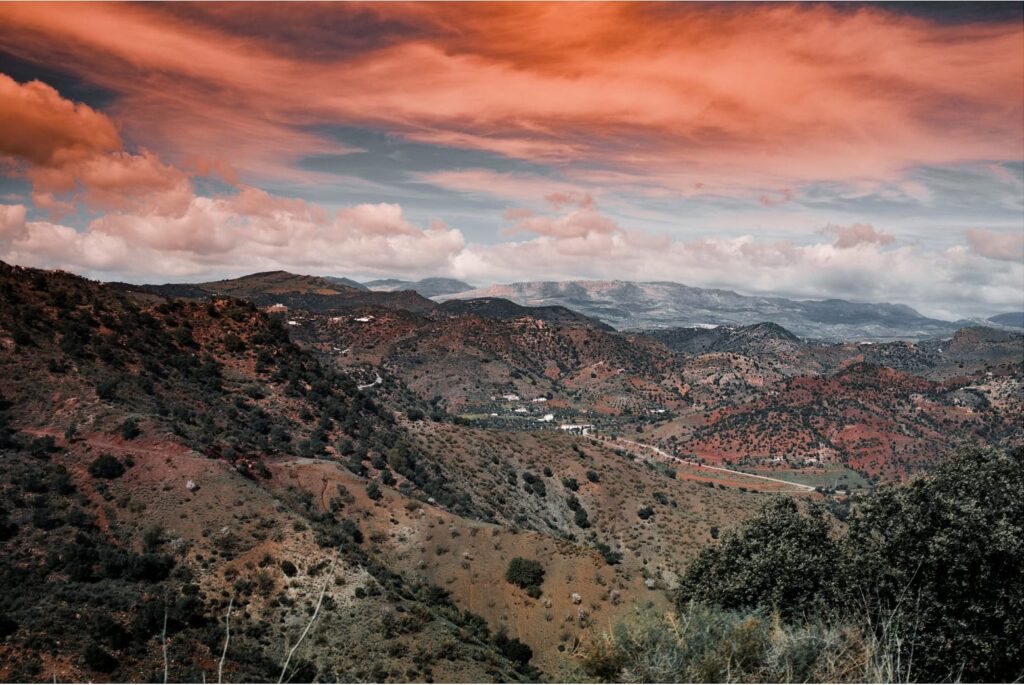
    Other stunning rides include the El Torcal Loop —around 100 km and 2,000 m of elevation— which takes you up to the El Torcal Natural Park and UNESCO World Heritage Site, featuring millennia-old rock formations that once formed the seabed. Another legendary loop is El Chorro, spanning around 138 km from start to finish, and taking riders up towards El Caminito del Rey (translated as “The King’s Pathway”), a narrow wooden walkway that clings to the sheer cliffs and rock faces of the El Chorro Gorge. Sticking to the coast, Malaga’s national N-340 road hugs the Mediterranean Sea from the city centre to the beaches of Granada, and beyond towards the region of Almeria, offering hundreds of kilometres of sun-baked coastline. 

    Ljubljana: Slovenia’s cycling gem

    Nestled in the heart of Slovenia, Ljubljana is another contender worthy of being crowned the cycling capital of Europe. Once the road less travelled, Ljubljana is surely becoming a popular destination among cyclists from all over the world. The city itself boasts a cycle network of more than 300 km, making exploring on two wheels an easy, safe and sustainable way to view the sights and surrounding parkland. Just 15 minutes from Copova in the city centre you’ll find yourself surrounded by trees in an immense forest, just one example of the easy access to nature that Ljubljana offers. 

    Beyond the city limits, many of these cycle paths serve as a gateway to some of Slovenia’s most iconic cycling routes. Lake Bled, with its stunningly blue waters and picturesque island church, is around 65 km from Ljubljana, climbing some 900 m as the paths snake up into the Triglav National Park. Another epic ride is the journey to the Vršič Pass, Slovenia’s highest road pass at 1,611 meters, challenging riders with its 50 hairpin bends and rewarding them at the summit with unparalleled views of the Julian Alps. In terms of the weather Ljubljana, has distinct seasons, with milder temperatures in spring and autumn, greater for longer scenic rides, and warm summers, perfect for cooler mountain routes.

    Italy: La dolce vita della bici

    Where do we start? Italy is another classic European cycling destination, topping the charts alongside France and Spain. From Lucca to Bassano del Grappa, Corvara and Bormio, we’ve been lucky enough to visit some incredible Italian cycling destinations in order to plan our Italian cycling tours. We’ve been charmed and dazzled by Italy’s road and gravel routes, landscapes, cycling culture, hospitality, food, wine and of course, people —Italy is without a doubt among the cycling capitals of Europe. If we had to choose just one destination, Bassano del Grappa might just take the hot spot. 

    Bassano del Grappa is nestled in Italy’s Veneto region. It’s a must-visit for lovers of Italian cycling culture (most of us…) and a buzzing hub for local cyclists. The city is home to esteemed bicycle manufacturers Basso and Wilier Triestina, the latter of which has been crafting exceptional bikes since 1906. Our Italian cycling tours offer the option to hire a stunning Basso road bike, allowing guests to ride in style on the same roads that inspired its creation. 

    The surrounding landscape offers the rolling hills of the Veneto countryside, giving you the chance to cruise through vineyards and historic villages —the ideal ingredients for unforgettable rides. Just outside Bassano del Grappa we find Monte Grappa, a mainstay on our Prosecco Hills Cycling Tour. This Giro d’Italia classic climb stretches for a mighty 19 km and reaches an altitude of 1,700 m. At the summit, riders are met with the awe-inspiring memorial to the fallen soldiers of the two great world wars.

    Port de Pollença, Mallorca: Mediterranean charm at its best

    Mallorca has been a site of pilgrimage for road cyclists for decades. World-famous climbs such as Cap Formentor, Sa Calobra, Coll de Sóller, and Coll de Sa Gramola still bring professionals and amateurs alike flocking to the island year after year. Mallorca stretches around 100 km from east to west, and around 70 km from north to south, making it completely possible to explore the island solely by bike —and something we highly recommend! Our Tour of Mallorca offers full immersion into this charming Mediterranean landscape, introducing our guests to the Tramuntana mountain range, the sweeping roads towards the east of the island, and picture-postcard villages such as Orient, Bunyola, Santa Margalida and Arta. 

    Mallorca’s central location in the Balearic archipelago also makes it an ideal starting point for exploring its neighboring islands, Menorca and Ibiza. Menorca lies just 40 km northeast, and Ibiza is about 80 km southwest, both easily reachable by ferry as an add-on to a Mallorca cycling tour. Beyond cycling, the island of Mallorca is rich in history, tradition, culture, food, and beaches, with a fantastically warm and sunny climate that makes it ideal for riding all year round. That being said, the island’s coastal winds can occasionally pick up, particularly in the Tramuntana mountains or along exposed roads, so we recommend bringing along lightweight, packable layers that can be tucked away when the sun breaks through.

    Want to discover the cycling capital of Europe for yourself?

    As soon as you’re ready to travel we would love to show you around! Check out our selection of European Tours or give us a call now on +34 972 754 301 or contact us online for more info!

    P.S. Enjoyed this blog? Why not sign up to receive notifications every time we post and get regular updates on our latest tours!

  • CHRISTMAS GIFTS FOR CYCLISTS – THE 2024 EDITION

    In true Eat Sleep Cycle tradition we share with you the Eat Sleep Cycle Christmas Gifts for Cyclists – 2024 edition.

    And what a year it has been?! I think we can safely say that the world has fully recovered from COVID and that times have indeed changed. We have seen our customers valuing experiences more and products less in 2024. Less people buying bikes and more people buying bike trips. We think it is GREAT! So, reflecting the times we are in, here is our top list of Christmas gifts for cyclists in 2024.

    Give the Gift of…. CYCLING!

    In a world where we’re starting to value time & experience over stuff, our Experience Gift Vouchers make a great alternative gift choice. Gifting a cycling tour of a lifetime is the best gift for the cyclist in your life. To simply pedal, enjoy the surroundings, food and full support of a dedicated team, is a luxury that most of us cyclists value far more than a shiny thing. 

    Eat Sleep Cycle Tour Gift Vouchers range from €100 to €5000 and can be used to book any type of tour. Our Bike Hire Gift Vouchers range from €10 to €500 and can be used on bike rental in our Girona or Málaga location.

    Gift Vouchers for In Store & Online

    What could be more awesome than having to travel to Girona or Málaga to spend your Christmas gift at an Eat Sleep Cycle Hub?

    In store gift vouchers range from €10 – €500.

    Online Shop Voucher

    Sometimes it’s just too hard to decide what to buy the cyclist in your life. Believe me when I say I go through that same dilemma! Both of my brothers are cyclists and I find it real tough to decide what to get them. So a gift voucher could be the way to go!

    Eat Sleep Cycle Online Shop Vouchers range from €10 to €500.

    Stocking Fillers For Cyclists

    Want to treat the cyclist in your life but don’t want to break the bank? Our stocking fillers are all under €35!

    Eat Sleep Cycle Socks, from €20

    A classic gift, it’s impossible to go wrong with our beautiful range of cycling socks! Choose from a range of colours to perfectly complement their favourite cycling kit. Shop cycling socks.

    Eat Sleep Cycle Logo Base Layer, from €29,95

    A fail-safe gift to keep them motivated to ride all year around is the Eat Sleep Cycle base layer. Shop the baselayer for men or women.

    Eat Sleep Cycle Cycling Wallet | Phone Case | Velopac, €34,95

    For all your ride essentials the Eat Sleep Cycle Cycling wallet keeps your valuables safe throughout the ride. Check out the Velopac.

    Eat Sleep Cycle Girona Cyclist Lavender Unisex T-Shirt, €29,95

    A cool t-shirt for those off bike days is sure to be a winner! Choose from our range inspired by Girona & Málaga! Shop t-shirts here.

    Give the Gift of Gear to go on a Cycling Advenutre!

    Getting off the beaten track and out into the wilderness is something we’re seeing more and more cyclists across the world enjoy! Here’s our top picks for gifts to inspire going on a bike adventure in 2025.

    Wahoo Element Roam V2 GPS Bicycle Computer, €399

    The perfect companion for a bike adventure, a good GPS opens up the world to explore! The Wahoo is our favourite with easy to read maps. The road is calling – take a look at our range of GPS units here.

    Apidura Expedition Saddle Pack 14 L, €156

    This is a bag that will fit to any bike without a rack and makes the perfect bag for a bike adventure with all the essentials easy to fit inside. Shop all our bikepacking bags here.

    Apidura Packable Backpack, 13L, €54

    An extremely handy piece of kit, this packable backpack can pack away into a pocket or expand to give 13L of extra carrying capacity (perfect for that late afternoon supermarket dash before making camp!

    Shop the packabale backpack here.

    Pedaled Lifewear Shirt, €160

    Perfect for normal life too, this shirt is a master class in looking cool off the bike (and yes, it’s pretty comfortbale to ride in too).

    Shop Off-Bike gear.

    CHRISTMAS GIFTS FOR THE 2024 SEASON

    If you like what you see but need more information about our products, bikes or tours, don’t hesitate to get in touch with our team via the website, or by calling +34 972 754 301 (if you’re calling from the US or Canada, head to the webpage cited above for alternative phone numbers).

    For more ideas and inspiration, keep an eye on our Eat Sleep Cycle Journal, or sign up to our Newsletter for regular updates direct to your inbox

    Merry Christmas from the Eat Sleep Cycle team!

  • 20 reasons why living in Málaga is awesome

    When I was presented the opportunity to move to Málaga and manage the Eat Sleep Cycle Málaga Hub, I of course snapped up the opportunity, but even then I could not have expected what I was about to experience over the following 18 months. Málaga has changed my life.

    Here are the 20 reasons why living in Málaga is awesome…

    1) Never ending beaches

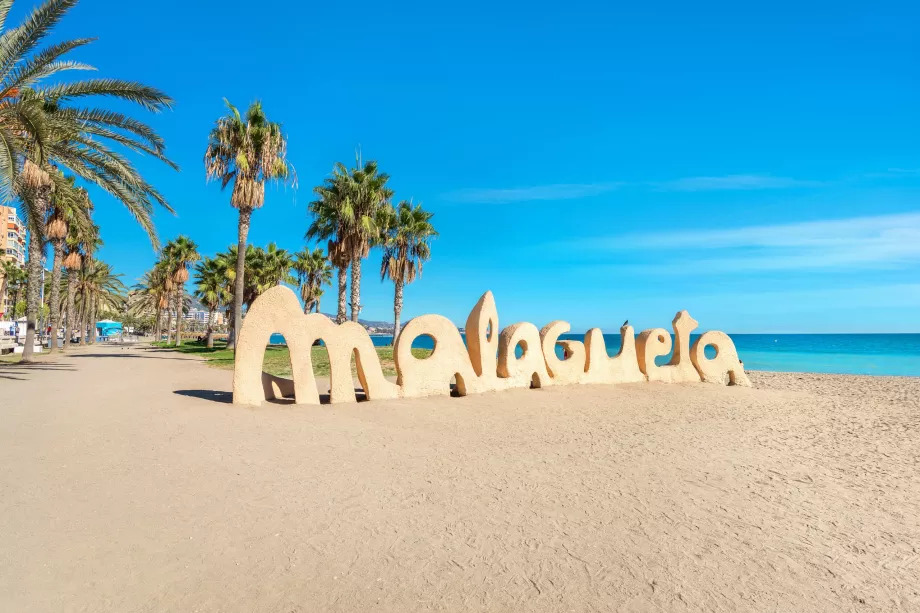
    5 minutes from the city center and you are on the bustling Playa de la Malagueta which is full of interesting people enjoying the sun or sheltering from it under beautiful palm trees.

    Walk or cycle in any direction and you can enjoy beaches for miles on end. Find a quiet cove for a bit of your time or a volleyball court for meeting the locals. If you love beaches you will love Málaga.

    2) Amazing international connections

    Málaga Airport sees international direct flights, not just from all over Europe, but also from Canada, the USA and beyond. But that’s not even the best part, once you land at Málaga Airport you can jump on a train or bus directly from the airport and be in the center of town in 20 minutes. It is one of the best international connections in the world.

    3) Fresh caught fish grilled over a wood fire

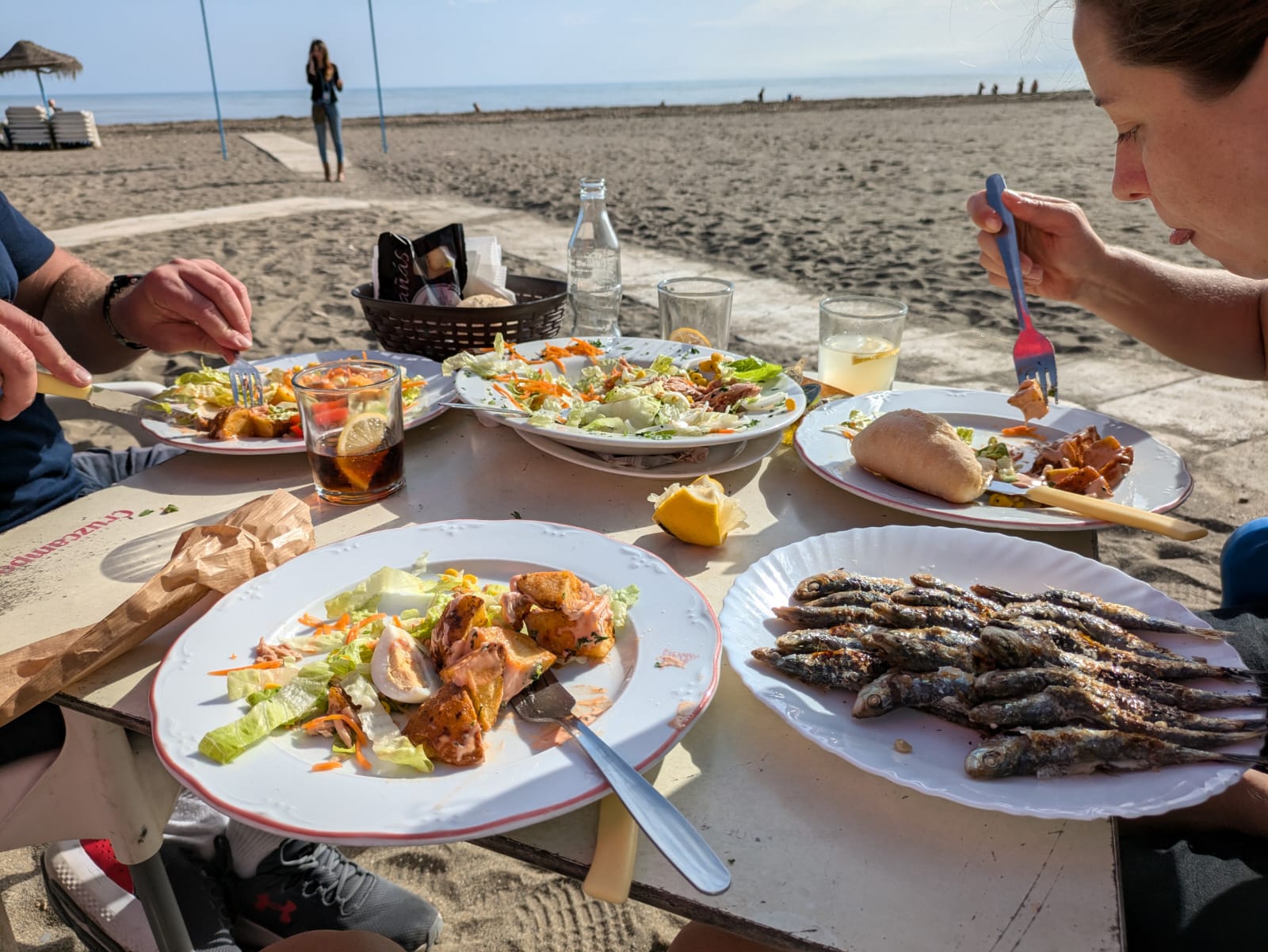
    My favourite dish in Málaga is an espeto de sardines (6 grilled sardines), a mixed salad and patatas frites (chips). This is best enjoyed with a local white wine and staring at the sea. All along the Málaga coast are inexpensive Chiringuitos with their own small grill giving off “to die for” food smells.

    4) It’s a place people really want to live

    I always wondered what it was like for people that are actually born in a perfect place. Well Málaga has the answer because most Malagueños stay in Málaga for a reason. It has the beach, it has mountains, it is a great city with all the main shops. An international airport, a boat port, need I go on!

    5) Mountains

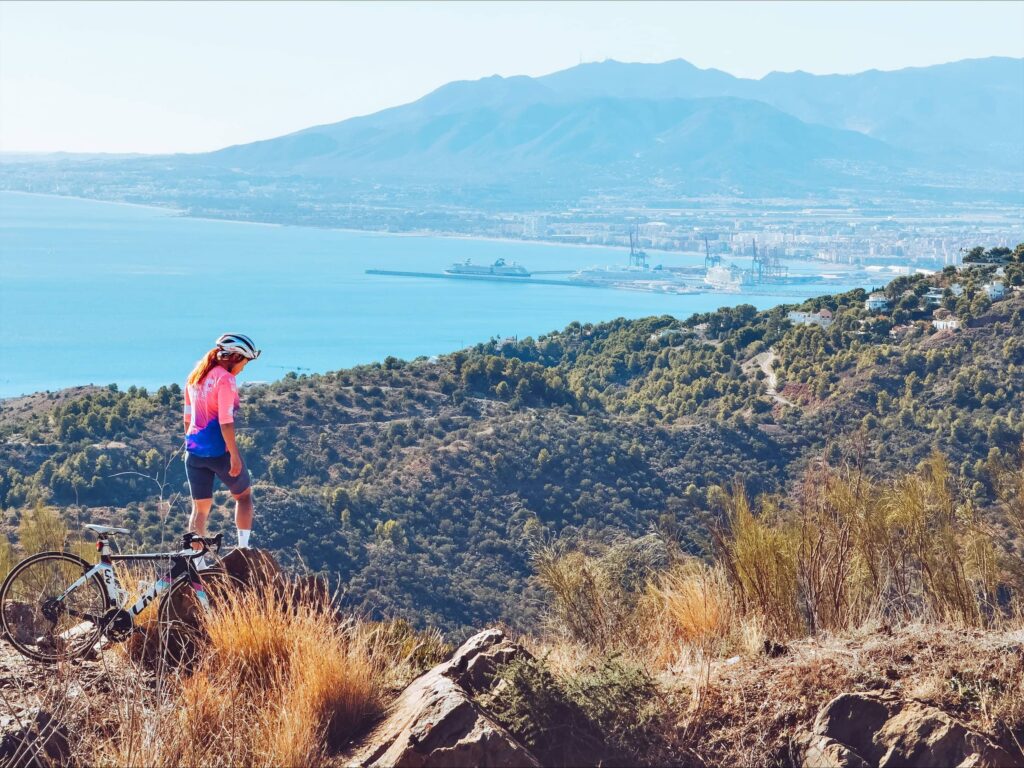
    Málaga is the most mountainous province in all of Spain making it a perfect place to train on your bike. It’s hard to do a road ride above 100Km below 2,000 m of climbing if you go inland. In fact Málaga is perfect for a range of outdoor sports, you will find little need to be stuck in a gym.

    6) The Climate

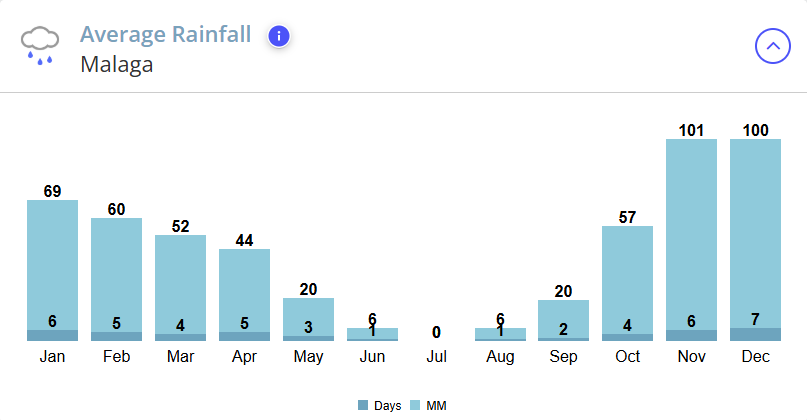
    Did I mention the climate? Málaga benefits from some of the best weather in all of Spain. Afternoons throughout winter are in the late teens with mainly sunny days (320 days per year in fact). Cloudy and rainy days are rare and this definitely helps people to stay in a good mood!

    7) The atmosphere

    When I first arrived in Málaga it was a Sunday. Apart from major cities most places are really quiet on Sundays. Not Málaga! The terrazas were buzzing and people were out and about having a good time. I found the ambience immediately infectious and it got me in the right mood!

    8) Dress to impress

    If you like dressing up Málaga is your place. Locals can be seen in their best on Friday night, Sunday afternoon or any other time during the week.

    I don’t join in personally but love the way everyone makes an effort and gets out to be with their friends and family as much as they can, rather than sitting at home watching TV.

    9) Friendly welcoming locals

    The locals are friendly from the outset and curious about you and your story. Andaluz people ae some of the most open and welcoming in all of Spain. Combine that with the typical laid back nature of a coastal town and you have a magical welcoming combination.

    10) There´s a lot going on

    It seems like a constant calendar of festivals and celebrations in Málaga. The Semana Santa is one of the most famous in all of Spain and people come from all over to enjoy it. Even the Christmas lights are famous! There is so much going on in fact this may become one of your negatives not positives about the city. Just kidding, it´s great!

    11) Calle Carretería

    If there were a street to sum up Málaga it would be Calle Carretería. Bustling bars, multicultural restaurants (from Japanese ramen to cookies and malaguna traditional fried artichokes), motorbike, scooter shops and more.
    It is one of the main entries into the city from the river and bike friendly.
    It just so happens that the Eat Sleep Cycle Málaga Hub is situated number 100 on Calle Carretería!

    12) El Pimpi

    The most famous bar in all of Málaga is El Pimpi. Partly because it is owned by Antonio Banderas and partly because it is the finest example of the atmosphere and cuisine that Málaga has to offer.

    13) THE Picasso Museum

    Even if you don’t like art, you’ve heard of Picasso, right?! Picasso was born in Málaga and his wish was for his artwork to be displayed at his birth place. How cool is that!

    14) The mountains

    If you like to ski, hike, fish or snowboard, Málaga is less than two hours from the Sierra Nevada where you can access some of the best slopes in Europe. The Montes de Málaga are also a playground for mountain bikers, hikers & anyone who loves the great outdoors.

    15) Sunsets

    Málaga has some of the best sunsets I have ever seen

    They are amazing on the beach and they are amazing on the bike. Once you have seen a few you will not want to experience a sunset anywhere else.

    Malaga Sunset

    16) Big Diverse Expat community

    As well as being popular with the locals, Málaga is popular with expats so you are sure to find plenty of friends that speak your own language. Unlike Girona which is cycling focused, most expats live in Málaga for the weather and general lifestyle rather than for cycling. This makes the people you are likely to meet more diverse and more interesting!

    17) Gateway to Andalucia

    If you start getting itchy feet in Málaga you are in a great place to explore the rest of Nalaucia. With Antequera, Ronda, Granada (the Alhambra) and more on your doorstep you can spend months and even years exploring new places and expanding your horizons.

    18) The Mayor is a Legend

    If any new Mayor wants to learn best in class then they should visit Málaga. It´s true that there is always building work going on in Málaga and that is because the Mayor has been actively improving the city since he started in the year 2000. It’s unbelievable how much the city has improved over his reign and he keeps going!

    19) Theres always a night out if you want one

    Every night is a party night in Málaga. Because there is a healthy dose of beach tourism you can always cross people letting their hair down for a good night out. So it is always there if you want it!

    20) World class cycling

    Imagine that this is a cycling blog and we get to cycling at number 20! Cycling in Málaga is one of the best hidden secrets about the place. Granted Málaga is a city but in just 10 minutes you can be on the slope of a 20 Km climb (Puerto Leon) with the city lights flickering behind you. The gravel and mountain biking is superb too with routes often originating at the beach!

    What is the best time of year to cycle in Malaga weather wise

    Visit our Málaga Hub

    Rent a bike in Málaga

    See you in Málaga soon!

  • The Eat Sleep Cycle 2nd Anniversary in Málaga

    Thank you so much to all those who joined our 2nd Anniversary in Málaga in December 2024. If you did not join please enjoy this short video and hopefully this goes some way to express our grattitude to the community both local and abroad, for the Eat Sleep Cycle Málaga Hub over the last 2 years.

  • The Eat Sleep Cycle 8th Anniversary in Girona

    Thank you so much to all those who joined our 8th Anniversary in Girona in November 2024. If you did not join please enjoy this short video and hopefully this goes some way to express our grattitude to the community both local and abroad, for Eat Sleep Cycle over the last 8 years.

  • What is the best time of year to cycle in Málaga for the Weather?

    Every November we celebrate the Eat Sleep Cycle Anniversary in Málaga. The Eat Sleep Cycle Málaga Hub was set-up in November 2022. The 2024 edition saw beautiful sunshine, I actually suffered a little sunburn!

    Eat Sleep Cycle has been running bike tours in Andalucia for around 8 years, personally I have experienced the weather in Andalucia all year round for at least that long.

    Andalucia is renowned for all year round great weather. Being at the southernmost tip of Europe (only Southern Portugal beats it) the obvious advantage of being closer to the Equator makes for a hotter climate. However there is more to factor in in Málaga and along the Costa del Sol coast, given that it is nestled between a mountain range and the sea.

    The geography provides a mild and stable climate through the Winter which has attracted a healthy Winter tourism market for many years as Europeans and those further afield flee their colder home temperatures to enjoy some of the Málaga sunshine.

    Hopefully in this blog I´ll shed some light on the best times to visit Málaga for your cycling holiday.

    So what are the best months to visit Málaga to ride your bike weather wise?

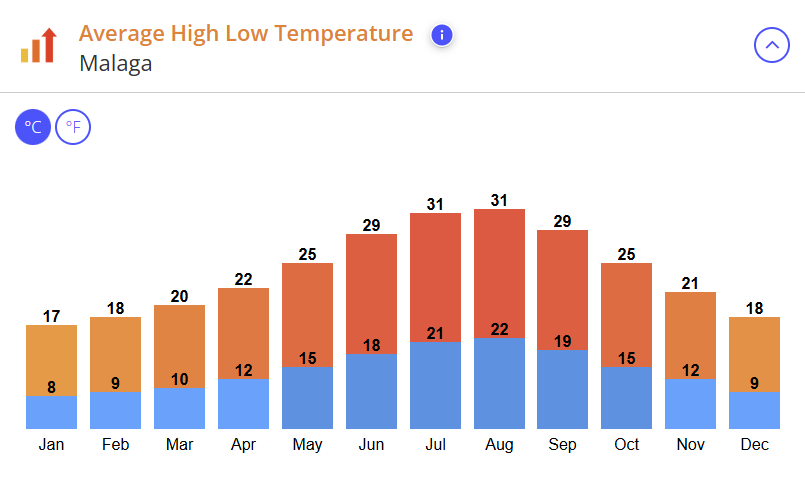
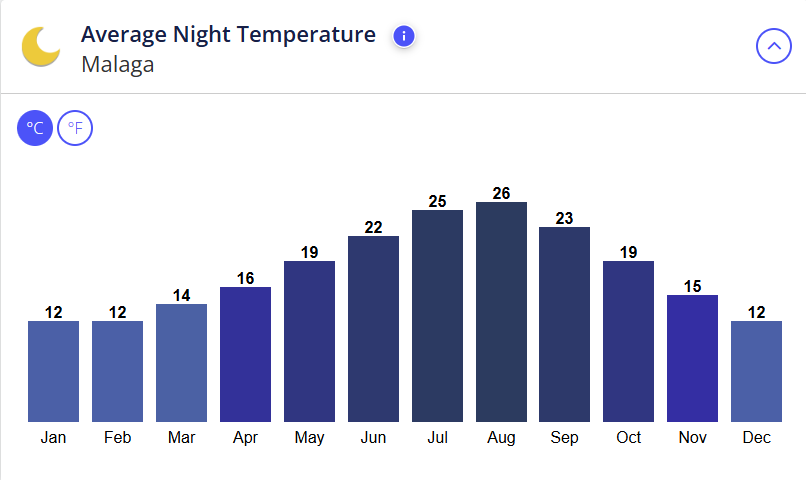
    Málaga, just like most of Spain, has a hot Summer and cooler Winter. However there is a key and important difference. Whilst the minimum temperatures across most of Europe and even in Girona drop close to 0 degrees celsius and even below freezing, the minimum temperature in Málaga is just below 10 degrees celsius. In fact, the lowest average night temperature is only 12 degrees celsius.

    Daytime temperatures throughout the Winter are in the late and early 20 degree Celsius. I kid you not there are people sunbathing in the afternoon all year round!

    So what does that mean for cycling?

    This climate makes Málaga a perfect destination for a Winter cycling break. When I say Winter I mean November, December, January, February and March are all great months to ride in Málaga with almost guaranteed sunshine.

    You should carry a jacket if you like climbing up into the mountains for the descent and you may be surprised how fresh it is coming down compared to the heat you feel climbing up. But once you get to the beach for your ice cream, coffee or even better, beer, you’ll be stripping off to soak up those rays.

    Spring and Autumn are also excellent times to ride in Málaga. In Spring, temperatures are rising nicely and the sunshine hours also increase significantly so you can be out on your bike for longer rides. Autumn is actually a lot warmer than Spring since the sea and mountains are still hot from the Summer! September can in fact feel just like Summer!

    July and August are the hottest months in Málaga. Here is the secret, because Málaga is on the coast it actually feels fresher than in some inland towns and cities. So if you ride along the coast with the fresh sea breeze, you will love it. Heading into the mountains and things heat up, so ride early for these more epic rides.

    Why am I writing this blog?

    I want cyclists to realise that Málaga is a perfect Winter cycling escape. At the same time, you can ride in Málaga and Andalucia all year round.

    Want to learn more about cycling in Málaga?

    Join one of our scheduled trips, book a self-guided package or opt for a custom trip! We have beautiful itinearies which you can enjoy all year around. Contact us for more information.

  • The best cycling routes in Italy

    When discussing the best cycling routes in Italy, there’s one name that never fails to appear —the Giro d’Italia, one of the cycling season’s most prestigious Grand Tours. Italy’s historic love of cycling forms part of the culture, and during these 3 weeks of the year, from The Dolomites to Tuscany and the Amalfi Coast, cyclists and fans gather in their hoards to watch the world’s best riders battle it out for the coveted pink jersey, the maglia rosa.

    Over the course of the Giro d’Italia, the landscapes and scenery traversed by these riders create a scrapbook of natural beauty and majesty, revealing Italy’s diverse terrain and iconic sites, from sweeping coastal cliffs and rolling countryside to towering mountains and millenia-old cobbled streets. This is the magic of cycling in Italy. 

    At Eat Sleep Cycle, we relish the opportunity to make these scrapbooks come to life. We have spent years curating the best cycling routes in Italy to give you the chance to ride these roads. But our passion for cycling goes beyond the bikes and scenery —although that’s a big part of it!

    We ride for the stories, the people, the memories and the culture that make our cycling tours of Italy something you’ll want to repeat year in, year out. 

    Traverse the Italian Alps & The Dolomites

    Cycling in the Italian Alps is an unforgettable experience. Breathtaking mountainscapes set the scene for epic challenges that have tested even the world’s best riders, with legendary passos such as the Stelvio, Gavia and Mortirolo that draw cyclists in from around the world, eager to see for themselves just how tough they are. 

    Take a look at our Everesting Challenge, “Dolomites & Italian Alps” to really test yourself in the Italian Alps.

    Riding the Italian Alps is about putting your training into practise and testing your limits, while revelling in your surroundings. Battling the Stelvio’s gradients and looking back and see the 48 hairpin bends —on the northern (Prato) side— is a view that will be hard to beat, as these tight, steep switchbacks ascend to the summit at 2,757 metres (9,045 feet). 

    Cycling in The Dolomites offers an equally monumental experience. Tackle the classic Passo Giau, the Sella Ronda —looping around the Sella massif and crossing four passes: Sella, Gardena, Pordoi and Campolongo— and the Passo Falzarego (2,105 metres/6,906 feet above sea level), boasting stunning views of the nearby peaks. Each climb presents a unique challenge, matched only by the beauty of the jagged limestone cliffs, alpine meadows and picture-postcard Alpine villages —it’s easy to see how the Dolomites are classed as a UNESCO World Heritage site. 

    You can also explore Italy’s mountain regions on the Eat Sleep Cycle Trans Dolomites Challenge — this tour is epic, rewarding and iconic. This eight-day tour offers a blend of point-to-point mountain routes, starting in Ravascletto and moving west. Highlights include legendary passes such as Passo Stelvio, Sella Ciampigotto, Passo Tre Croci, and the Passo Campolongo. Daily breakfasts, hearty picnic lunches, and scenic cafe stops ensure you’re fueled for every mile of this unforgettable Dolomites cycling experience.

    Discover a route of epic and challenge, but absolutely unforgettable clibs on the Eat Sleep Cycle Classic Climbs of the Giro. This seven-day adventure is curated for veteran climbers, featuring up to 11 iconic Giro climbs, including epic ascents such as the Passo Stelvio, Passo Mortirolo, and Sella Ronda. Fully supported with daily breakfasts, picnic lunches, and dinners at local restaurants, this tour combines unforgettable climbs, breathtaking views and the best of Italian hospitality.

    Timeless Tuscany – The Via Francigena to Rome

    The Via Francigena is an ancient pilgrimage route that stretches from Canterbury in the UK, to Rome, Italy, crossing through the heart of Tuscany’s timeless landscapes. This historic path winds over rolling hills, past vineyards and through mediaeval towns, offering riders the unique experience of discovering one of Italy’s most renowned regions by bike. With plenty to explore in the way of road and gravel cycling, including the winding climbs of Crete Senesi, a section of the legendary Le Strade Bianche, and the nearby historic villages of Asciano and San Giovanni D’Asso

    Tuscany and the Chianti region provide cyclists with more than just scenery —they immerse riders in the local culture; stories and legends enriched with Italian heritage; traditional Tuscan dishes like handmade pici pasta, wild boar ragù, and pecorino cheese; and world-famous Chianti wines. The well-maintained roads and regional hospitality are proof of the locals’ appreciation for cycling, upholding a culture of respect for and among road and gravel riders, bikepackers, walkers and horse riders alike. 

    With 15 stages between the UNESCO-protected Siena hills and Rome, riding the Via Francigena to Rome introduces cyclists to the towns of Bolsena —and the Lago di Bolsena—, Montefiascone, San Gimignano, and Viterbo.

    Book your place onto our Cycling Tour of Tuscany today, and experience this all for yourself!

    Piemonte – The hidden gem

    Piemonte might be one of the lesser known cycling routes in Italy, yet it is every bit as captivating as other Italian cycling adventures. Nestled between the soaring Alps and the Mediterranean Sea, Piemonte is primarily known for its world-class wines, delicious Alpine-inspired cuisine, and serene foothill landscapes. Top cycling routes in the area wind from the historic Torino through the vineyard-clad hills of Langhe, passing through the charming towns of Alba and Asti, and down to the sparkling Lago d’Orta coastline.

    This northwestern region of Italy hugs the French border, bringing together a blend of Italian and French influences to its cuisine, architecture and culture. Cycling holidays in Piemonte, such as our seven-day Tour of Piemonte, are designed to showcase the best of the local landscape, culture and food, curating a 360º experience and provide riders with an authentic taste of Piemonte life. Highlights include both loops and point-to-point rides from some of the area’s most beautiful towns and sites, such as Alba, Sant Uffizio and Lago d’Orta, with the chance to sample Piemonte’s world-famous white truffles and wine.

    The Prosecco Hills – Monte Grappa

    Think iconic Italy, stunning scenery and colossal climbs —don’t let the name fool you! This popular region sits within the Veneto area of northern Italy, nestled between Venice and the Dolomites. The vineyard-clad hills create a truly special backdrop to an impressive selection of routes for gravel, road and MTB. The foothills of the Dolomites offer some lower-gradient climbs before rising into full-on elevation peaks, including the Passo San Boldo and Monte Grappa, two Giro d’Italia classics.

    Monte Grappa is something of a mecca for proficient riders, and is often featured among the most iconic cycling routes in Italy. There are a grand total of 10 ways to the top. Our favourite starts in Bassano del Grappa, where we also lodge the night before on our Eat Sleep Cycle Processo Hills Tour. The climb stretches for a mighty 19 km at an average of 5.4%, reaching an altitude of 1,700 m, rewarding riders with views of the nearby Adriatic. A memorial to the fallen soldiers of the two great world wars sits proudly at the summit. You won’t be disappointed. 

    Puglia

    Puglia sits in Italy’s iconic heel, a peninsula surrounded by the warm waters of the Mediterranean on one side, and those of the Adriatic on the other. This stunning region offers over 800 km of coastline, and with mild year-round temperatures, Puglia offers some of the most agreeable cycling conditions in the country. Regarding terrain and topology, Puglia is mostly gentle, with hills and coastal flats that make it ideal for all experience levels, including those new to cycling in Italy —riders can expect quiet country roads, rustic gravel paths, and scenic coastal routes. 

    The local food, slow pace of life, and charming villages and architecture translate into days of exploration, tasting, visits and routes that will immerse you in the authentic beauty of Italy. Like its northern cousin, Piemonte, Puglia might not initially conjure images of top Italian bike tours and cycling events. But Puglia is a diamond in the rough, with miles of roads and trails to explore, and hundreds of family-run bed and breakfasts, providing the ideal base from which to explore towns and villages while resting from the bike. 

    Want to find out more about cycling in Italy?

    As soon as you’re ready to travel we would love to show you around Italy! Check out our Italy Cycling Tours online here.

    If you have any questions, please do also give us a call on +34 972 754 301 or contact us online for more info!

    P.S. Enjoyed this blog? Why not sign up to receive notifications every time we post and get regular updates on our latest tours!