Blog

  • Best Girona Gravel Cycling Routes

    Winds Girona Gravel Challenge

    From the Mediterranean to the Pyrenees, seemingly endless gravel and dirt roads weave through this amazing diverse landscape. No wonder Girona is home to many of the sports gravel kings and queens. Here is a set of tougher gravel loops out of Girona that will satisfy the stronger riders looking for some spice. Ride them fast or make them all day lunch stop rides; either way you will have a great day out on the bike and come back with ‘gram worthy photos to tease your friends.


    Santa Susanna de Caulès Loop
    Perhaps the easiest of the four is a 71 kilometre route that goes south through the lovely rolling gravel of La Selva before it climbs into the mountains between Girona and the coast. After views of the coast and an old church perched high in the hills, the route descends for kilometre after kilometre on excellent wide gravel. The lunch opportunity is in a beautiful spa that bottles its own sparkling water. After lunch, it’s only 20 easy kilometres back to Girona so no need to hold back on the food.

    Read More


    Els Metges Loop
    One of the marvels of Catalunya is the old inaccessible farms and estates that have been converted to family run restaurants serving the amazing local fare. One of the best, just east of Girona is Els Metges hidden on the steep gravel roads of the Gavarres mountains. This 69.5 kilometre route manages to sneak up to Els Metges on scenic lesser used paths that avoid the really steep roads. The hardest climbing is all done before lunch so why not indulge in a true Catalan country meal. A long, fast descent followed by mostly easy riding remain.

    Read More


    Taverna del Subirà Loop
    West of Girona, the horizon is dominated by the Guilleries mountains covered in a mix of giant deciduous and evergreen trees. Hidden under the canopy are myriad gravel roads climbing and descending on routes who’s significance is long forgotten apart from one incredible destination: Taverna del Subirà. This old estate traces its origins back 1,000 years and it has been in the family currently operating the restaurant for 300 years. Its a tough 15 kilometre climb to lunch but that’s all the day’s climbing in the bag so there’s time to relax and enjoy this gem of a restaurant. A long and exhilarating descent awaits followed by mostly easy tracks back to Girona. Its a big 91 kilometre day out on the bike with 1,500 meters of climbing.

    Read More


    Mieres Loop
    North of Girona the most recognised landmark is Rocacorba. Though it is possible to ride off-road up this beast, a better option is to ride around it on a gravel bike. This is the roughest of the four rides and has the hardest climbs, but arguably, delivers the most rewards. A good portion of the route is in the mountain county of Garrotxa where things get rockier and steeper with less people and services. The tougher, wilder climbs and descents will put a smile on the face of the experienced gravel aficionados. Coming in at 80 kilometres and 1,600 metres of climbing, this ride is harder than the numbers suggest. Just past the half way point comes the popular roadside Can Met restaurant but be warned, steep climbs and many kilometres remain before the day is done.

    Read More

    ·

    Santa Susanna de Caulès Loop


    Lofty views of the coast, a bike friendly spa rest stop and an endless scenic gravel descent make this one of the nicest Girona gravel loops. Starting with the lovely rolling gravel of the La Selva region just south of Girona, this route then tackles the coastal Transversal Mountain Range offering elevated peak-a-boo views the Mediterranean. A little past the route’s high point, the improbably located 14th century church, Santa Susanna de Caulès, suddenly appears and is very much worth a photo stop. After an exhilarating descent on lovely wide gravel roads comes some rolling gravel before a snack break at the elegant Balneari de Prats spa with its shaded, private terrace. Home is just few more kilometres away on scenic La Selva gravel.


    Pay attention to navigation cues on your head unit for the entire ride as this route has many twists and turns. The ride starts with a section of the much loved Carrilet, a converted rail line that connects Olot in the Pyrenean foothills with the Mediterranean. After 10 kilometers the route joins the lovely gravel roads of La Selva and winds through forests and fields for a further 18 kms until the crux of the ride at kilometer 28. Here the road suddenly becomes steep and in the middle of this brutal climb there is an awkward left hand turn up an even steeper ramp. Dramatic as this sounds, the difficulties are only 1/2 kilometer long and with determination, can be ridden. Past this climb, the pastoral setting of a few minutes ago has now surrendered to remote and mountainous tracks that are thankfully easily ridden.


    At kilometer 31 the route follows a busy road for 1.5 kilometers before veering right on 1.5 kilometer steep gravel climb. Near the crest of this climb and beyond come the views of the Mediterranean seemingly far below. Somehow the route then gifts a 7 kilometre descent that feels unearned, but who’s going to argue! The lovely church of Santa Susanna de Caulès is just one kilometre into the descent and has an equally lovely house beside it. While enjoying this highlight please be respectful of the home owners peace and quiet and stay close to the church.


    The Balneari de Prats spa in Caldes de la Malavella, is 7 kilometres beyond the bottom of the descent. A humble white gate on the right side of the town square marks the spa entrance. Bikes are welcome as long as they are walked through gate into the terrace and then parked up against the hotel building away from the other guests. Enjoy a lovely sandwich and Prats own bottled sparkling water. From Caldes it’s just a little over 20 kilometres back to Girona on pastoral, rolling terrain.


    The Balneari de Prats coffee shop should be open every day during normal riding hours.


    Distance: 71 kilometers
    Elevation Gain: 750 meters
    Crux: The last 300 meters of the climb that starts at km 28; steep but rideable with the body
    positioned forward and low on the bike.
    Technical Level: Intermediate
    Fitness Level: Intermediate to Advanced
    Typical Rolling Time: 3:15 – 3:45 hours; 2:45 at race pace
    Stops: Balneari de Prats in Caldes de la Malavella at kilometre 49. Carry lots of water and snacks.

    DOWNLOAD TRACK

    ·

    Els Metges for Lunch


    The gravel in Catalunya is already pretty special but if you can combine a rip in the dirt with a fabulous lunch in an old stone farmhouse lost in the hills, you’ll have a day for the ages. Els Metges Restaurant is in an old church and farmhouse with a view over Empordá. It can only be accessed by a long gravel climb through the Gavarres protected forest. This is a meaty ride that is harder than the distance would suggest but well worth the effort. The ride is very rewarding with the varied terrain, long gravel climbs, a true Catalan style country meal and parts which feel quite remote.


    Pay attention to navigation cues on your head unit for the entire ride as this route has many twists and turns. The ride starts with a section of the much loved Carrilet, a converted rail line that connects Olot in the Pyrenean foothills with the Mediterranean. Roll easily for the first 13 kms then start climbing after a left hand turn across a wide road. The route is mostly climbing for 15 kms with the last 5km being the hardest. From the top, descend for 1km to Els Metges which is at km 28.5.


    The descent after lunch is steep and a bit rough in places so stay sharp and don’t miss the right hand turn at km 31.5. Hopefully there is something left in the legs after the descent as the the next 6 kms are rolling and mostly uphill. Be alert as these gravel roads are well used by farmers. Be sure to stop at blind intersections. Should an energy boost be needed, there is a cafe at the top of Madremanya (km 41). The cafe is in a modern building and can be seen on the left across a parking area and field. From here, the route is mostly downhill or flat and is a mix of gravel and lanes until Girona.


    Els Metges is open between 9:00 and 17.00 on Fridays to Mondays all year round unless they are on holidays.


    Distance: 69.5 kms
    Elevation Gain: 800m
    Crux: The gravel road descent from Els Metges is steep and rough in places.
    Technical Level: Intermediate
    Fitness Level: Intermediate to Advanced.
    Typical Rolling Time: 3.5 – 4 hours; 3 hours at race pace.
    Stops: Els Metges km 28.5, Madremanya km 41. Carry lots of water and snacks.

    DOWNLOAD TRACK

    ·

    Taverna del Subirà for Lunch


    An exceptional route and not to be tackled lightly. It climbs high into the Guilleries Massif which is a mountain range spur pushing south from the Pyrenees. After ascending through an expansive forest of huge trees, enjoy amazing views of the big country to the west . Taverna del Subirà is a hidden gem. It is one of the oldest and largest Masias in Catalunya. The family that own and run the restaurant can trace their ownership back 300 years and parts of the building are 1,000 years old. They serve a full traditional Catalan style lunch but they will also make lighter sandwiches. The road back to Girona from the Taverna is mostly downhill so it is realistic to consider indulging in a complete meal at this truly unique landmark.


    This ride is best done in dry conditions as the long descent can be rutted and loose in the wet. The feature climb is 15 kilometres long, 12 of those on gravel, so be prepared for a big day out on the bike.


    Pay attention to navigation cues on your head unit for the entire ride as this route has many twist and turns. The rides starts by stitching together hidden lanes and paths across the developed southern end of Girona. After 10 kilometres the route is predominantly gravel. Santa Coloma de Farmers comes up after another 22 kilometres of rolling, scenic gravel roads and is the last town before the long climb. The climb starts on a lovely paved lane which turns to gravel after about 3 kilometres. Where the gravel starts is a quaint country cafe which may be open.


    The climb is on a wide, well maintained gravel roads with comfortable, steady gradients. Rewards await at the top with views and a downhill to the lunch stop. The driveway to the Taverna appears on right a couple of kilometres into the downhill.


    Descending from the Taverna is enjoyable but long; rest the hands and body periodically and exercise caution. The last 10 kilometres of the descent are on smooth pavement following the Ter River through a shaded canyon. The last leg of the route continues down the Ter on a mix of gravel roads and paths all the way to Girona.


    Taverna del Subirà is open all year during the day from Friday to Sunday.


    Distance: 91 kilometers
    Elevation Gain: 1,500 meters
    Crux: 12 kilometer continuous gravel climb
    Technical Level: Intermediate to Advanced
    Fitness Level: Advanced
    Typical Rolling Time: 4.5-5.5 hours; 3:45 hours at race pace
    Stops: Santa Coloma de Farners kilometer 32, Taverna del Subira kilometer 53, Anglès kilometer 67. Bring water and snacks.

    DOWNLOAD TRACK

    ·

    Mieres Loop


    A local classic gravel loop for the experienced rider with great views, tough climbs, remoteness and a fun 20 kilometre roller coaster back to Girona. Start early and prepare to be out longer than expected; really tough climbs and gravel tracks that are easy enough but also rough enough to slow the wheels. The route goes up the west side of Rocacorba then returns on the famous mountain’s east side. Sounds straightforward but it is anything but. Take in the twisty route through the beautiful val de Llémana, marvel at the Dame de Garrotxa monument high above Mieres and after the one building village of Biert, enjoy the thrilling 20 kilometres back to Girona. Mieres has a restaurant that is open all week apart from Monday and is a good place for a sandwich though it is very busy on the weekends. The descent to Biert is moderately technical in places. Its length and difficult gradients makes this route one for the fit and experienced gravel rider.


    Pay attention to navigation cues on your head unit for the entire ride as this route has many twists and turns. After rolling through Girona’s old town and crossing a couple of bridges join the gravel track beside the Ter river and then into the Fontajau park. Trust the gps tracks and cross the Fontajau field. The route takes you underneath a busy road and saves waiting for a long traffic light. At kilometre 12 the route crosses a farmer’s field on a rough bit of single track before a fun crossing of the Llémana river and joining the main road to Llorà. After Llorà the route is primarily gravel all the way up the valley. Watch for the font by the church of Sant Esteve at Kilometre 27.5. This is the only font on the entire route and the only other source of water will be the Can Met restaurant in Mieres if it is open. There are no fonts in Mieres.


    The first long climb starts on asphalt at kilometre 31 which then becomes gravel at kilometre 33. The easy gradients of this climb morphs into several very steep concrete ramps before topping out a little after kilometre 38. Enjoy the magnificent views of the valley and Rocacorba. As the descent begins, just before kilometre 40 there is a lay-by to the left with amazing views down to Mieres. The Dame de Garrotxa, an unexpected sculpture, shares the outlook as does an archeological site of an early Iberic settlement. Garrotxa is the county that this viewpoint overlooks.


    Be cautious on this descent as it has some sharp paved switchbacks covered in loose gravel that act like ball bearings.


    Can Met is on the right as you enter the main road in Mieres at kilometre 46.5. There is still a lot of climbing left so if the restaurant is open, stock up on food and water. Climb the concrete lane to the village of Falgons before descending on asphalt to the last main steep climb of the day. The descent to Biert has some technical sections but is mostly on easy gradients.


    Distance: 80 kilometres
    Elevation Gain: 1,600 meters
    Crux: The steep concrete sections near the top of the first big climb
    Technical Level: Advanced
    Fitness Level: Advanced
    Typical Rolling Time: 4:30-5:15 hours; 4 hours at race pace
    Stops: Font at Sant Esteve Church kilometre 27.5, Can Met at kilometre 46.5. Carry lots of snacks and water.

    DOWNLOAD TRACK

  • Eat Sleep Cycle collaboration with Bicicletas Sin Fronteras

    Over the coming years we plan to dedicate time, resources and money to supporting the charity in achieving its mission:

    Improve the quality of life of people living in less privileged situations by using bicycles as a tool for integration, equal opportunities and increased social mobility.

    Bicicletas Sin Fronteras was founded by passionate and energetic social entrepreneur Romà Boule from Girona. 

    When speaking with Romà about his charity, this is what he said:

    What makes the Bicicletas Sin Fronteras bike (Baob bike) different?

    Since our focus is on education of young people and not on the bike as a transport tool, the bike can be simpler, lighter and cost effective. We believe that education is the key to improving the wellbeing of young people in the places we work.”

    Why are you focusing on Senegal currently?

    We have worked in other areas including India. When visiting Senegal we noticed that the schools were already built across the country but the children had no way of getting there. We saw an opportunity to fill that gap.”

    What makes you get out of bed each day?

    As well as loving the creativity needed in what I do (I am at heart an entrepreneur), I feel like if I help people, I also will be looked after.
    Romà took our hearts and our heads with this project and above all with his openness to any kind of donation or support.

    Here is how Eat Sleep Cycle will support the Bicicletas Sin Fronteras charity:

    • Creation of a space in the Eat Sleep Cycle store to spread the Bicicletas Sin Fronteras project with actions like:
      • Display of the baobike in the store window.
      • A poster 
    • Presentation at the Eat Sleep Cycle café on December 19, 2023 of Bicicletas sin Fronteras and the collaboration between both parties.
    • Edition of an intimate dinner with 8-10 people plus influencers from Girona together with Bicicletas sin Fronteras.
    • Creation of Bicicletas Sin Fronteras products with 100% of the profit going to Bicletas sin Fronteras.
    • Edition of a tour for January / February to Senegal for Eat Sleep Cycle guests. 
    • Disseminate the action of Bicicletas Sin Fronteras among its clients, staff and other interested people.
  • Only 6 % of sport science research focuses on female athletes

    The team at SYNRGY have partnered with Training Peaks to provide a bespoke cycling coaching service that specifically focuses on optimising training around the nuances of female physiology. In our latest blog Synergy share their findings.

    Tracking Your Cycle:

    If you track your menstrual cycle using apps such as Wild AI, often clear windows of opportunity start to emerge.

    The Follicular phase is a low hormone phase during which the body is generally primed to take on stress and adapts well to hard training. This is a great time to do harder and/or high intensity workouts and heavy resistance training. Fuel wise,  the body is primed to access stored carbohydrates, which is exactly the fuel you need for high intensity sessions.

    Conversely, during the luteal (high hormone) phase, when oestrogen and progesterone start to rise, the female body becomes less resilient to training stress, the immune system is compromised and stored glycogen is less readily available. So, these few days are usually best spent at relatively low intensity (i.e. endurance riding). And during this phase the body is also in more of a “breakdown” state, so, it’s important to aim for 30 grams of leucine protein per meal and immediately post exercise.

    If you can generally structure your hard workouts to coincide with the days you feel invincible and your easy workouts when you are feeling a little low, you are one step closer to elevating your cycling performance to the next level! The key here is tracking, being methodical and remaining consistent. 

    Oral Contraceptives?

    Interestingly, we have also found that women on the pill have had great success when tracking their artificial cycles. In some ways it’s even more important to do so, given that fluctuations in energy levels and rate of perceived exertion are somewhat less predictable and comparable versus women who are naturally cycling. But the principle remains the same, try and seek out those days where you feel great, and use them to your advantage!

    Training Around the Menopause 

    What stage of life you are in also dramatically impacts the training plan you should be pursuing. For example, menopausal women experience a decrease in lean muscle mass, decrease in VO2max and reduction in bone density (a woman’s bone density can decline up to 20% in the years following menopause). Powers of recovery fade and it becomes difficult to maintain a low body fat %. 

    What’s more, menopausal women’s bodies become more resistant to training stimuli as hormone levels decline; i.e., they have to train at a higher intensity to get the same training stimuli vs younger women.  As a result, they need specialised training and nutrition guidance.

    In particular, and contrary to popular belief, older female athletes should spend significant chunks of training time doing short, very hard explosive drills. These high intensity sessions, such as maximum 10 second sprints, help stimulate growth hormone and combat muscle and bone density loss. 

    Likewise, a complimentary gym program should be structured around cycling sessions. Veteran female cyclists should be doing heavy, high impact weight exercises- these will again help slow muscle degradation and bolster bone density.

    With regards to nutrition, it’s important to have a higher intake of protein after exercise. Due to the fluctuation and decline of female sex hormones during the peri and post-menopausal years, protein can help the stimulation of muscle protein synthesis, a role which previously would have been played by oestrogen. It has also been noted that an increase in protein is essential for veteran female athletes to gain equivalent training adaptations to younger counterparts .  

    As a rough guideline, it is recommended that women aim for 1.7 – 2.4 grams of protein per kilogram of body weight per day. In menopause it is recommended that you aim for the higher end of that range (2.3 – 2.4 grams per kilogram per day) on heavy training days and towards the lower end on your easy days.

    We Are Here to Help!  

    SYNRGY have an experienced, all female, world tour pro coaching team provide bespoke training plans for whatever stage of life you are in.  Together with their partners at Training Peaks, they can ensure that you are fully supported, with daily contact, inspiration and motivation for making the most of your menstrual cycle in order to achieve peak performance.

    https://www.synrgycycling.com

    Ride with Like-Minded Women

    Our annual Girona Women’s Camp in open for reservations – we run the camp every May and it’s a great opportunity for a fun week working on fitness and bike skills in like-minded company.

  • CYCLIST’S GUIDE TO MÁLAGA

    Just coming into land at the airport is enough to see why Málaga is so popular. With its diverse terrain of hills, mountains and flat coastal roads, and a mild climate that graces the region for over 300 sun-drenched days a year, Málaga is the ideal destination for Cycling Tours in every season.

    This article will cover a few of the key considerations for any cyclist’s trip to Malaga;

    We hope you enjoy the guide, and we look forward to welcoming you to Málaga soon!

    Where to cycle

    Málaga’s smooth roads surrounding the city and beyond offer endless opportunities for road cyclists. One of the most iconic local climbs, el Puerto del León (also featured on our Classic Climbs of Málaga cycling tour) serves as the perfect warm-up ride before heading out into the heart of the region or along the coast. This climb offers stunning views of the surrounding countryside and impressive mountains behind the city.


    If you fancy a flatter ride, simply take old national road (N-340) that runs through the centre of Málaga out east, and follow it all the way to Nerja (and beyond if you’re up for it!). There and back counts for an approximately 100 km ride that sticks to the curves of the coast like glue. Once in Nerja, enjoy a snack, ice cream or a spot of lunch at the Balcón de Europa overlooking the Mediterranean Sea, before heading back home to Málaga.


    Other routes explore the Montes de Málaga, Sierra de Ronda, the Axarquía region, Antequera, Granada and the Costa del Sol. One spectacular ride that heads inland, northbound and away from the coast, is the El Torcal Loop. Topping out at around 100 km and 1,800 m in elevation, this demanding but incredibly rewarding ride will take you up to the millennia-year-old rock formations of the El Torcal Natural Park before sweeping back down towards Málaga.


    For gravel and mountain biking, the first place you should be looking to explore are the Montes de Málaga. Montes translates as “hill” or “small mountains”, and as the name suggests, this semi-mountainous terrain sitting just north of the city offers a snakes-and-ladders network of crisscrossing trails, climbs and descents. Part woodland, part rugged wilderness, it is important to stay on designated trails as even those who know this area sometimes get lost as GPS can fail. As with any roads and trails that run through parkland, the Leave No Trace principles apply: avoid disturbing wildlife and pick up all litter.
    Where to eat

    Whether its traditional Andalusian, international or fusion cuisine, Málaga’s offer of food and drink is ever-expanding. Here are our favourite spots when you fancy a pick-me-up, lunch, dinner or sweet treat.

    Coffee

    Kima Coffee – Calle Carretería, 51
    Not far from our Eat Sleep Cycle Hub on Calle Carretería, Kima Coffee is a hole-in-the-wall spot offering superb speciality coffee, beans and some sweet snacks. Calle Carretería itself has recently been refurbished and is now mainly pedestrianised, making it super easy to coast right to the door and lean your bike up outside.


    Mia Coffee – Calle Vendeja, 9
    In their new location in the Soho district, Mia Coffee offers delicious speciality coffee, beans, baked goods and good vibes. There is no outdoor seating, but there are benches in the squares nearby, so if you have your bike, a take-away (para llevar) might be the best option.


    Santa Coffee – various locations
    Santa Coffee is a reliable “chain” coffee house offering great coffee, beans, backed treats and light lunch options. Most locations have outdoor seating making it easy to ride up and order a quick café con leche before the ride.

    Cookie – Calle Carretería, 68
    A few doors down from the Eat Sleep Cycle Málaga Hub it’s possible to purchase the world’s best homemade cookies at Cookie York. They’ve recently added delicious pastries and good coffee to their offer too. The cookies are huge and come in all sorts of delicious flavours.


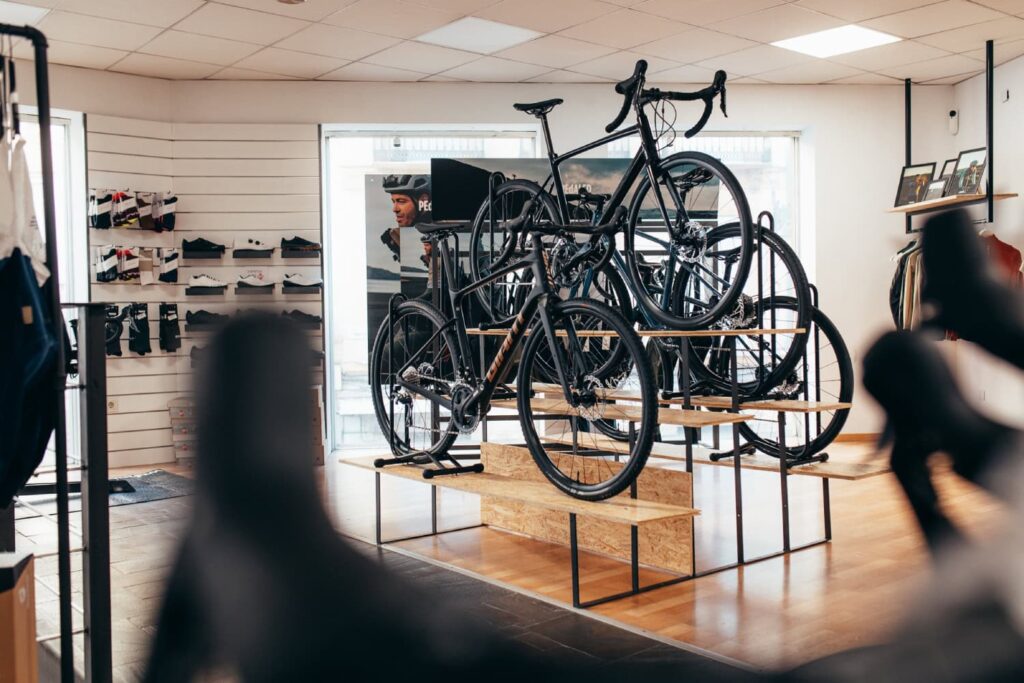
    Eat Sleep Cycle Málaga – Calle Carretería, 100,
    We might specialise in bikes, kit and services, but where would we be without our mini Marzocco coffee machine. Drop in for a coffee for €1! Made with love and specialty beans from a local Málaga roastery.

    Lunch & dinner

    Recyclo Café & Shop – Plaza Enrique García-Herrera, 16
    Recyclo serves delicious, locally sourced food with great vegan options, with good coffee, good beer, non-pretentious tasty and healthy food. Grab a table outside if it’s sunny and head inside in the evenings where they often have a live DJ or musician performing.


    El Pimpi – Calle Granada, 62
    El Pimpi is one of the most iconic and historic eateries in the city with traditional dishes and local specialties including tapas, fish and meat dishes, as well as vegetarian options. Best for an evening meal. If you want to sit inside, you’ll probably need to book, but the first-come-first-served system for outdoor tables generally moved quite fast.


    Varo – Calle Andrés Pérez, 20
    Varo has a buzzing, playful interior, good beer, great wine and a large selection of tapas and small dishes, great for sharing. Try and to get there early to make sure you get a table.


    Anchoita El Pana – Plaza del Teatro, 3
    Simple and delicious Venezuelan street food dishes with vegetarian options: arepas, cachapas, tequeños, tapas, juices, smoothies and more. Indoor and outdoor seating, friendly service and great music to accompany the laid-back vibes.

    No Piqui – Calle Carreteria, 66
    With all all-day kitchen No Piqui is perfect when you need something healthy, casual & simple for breakfast, lunch or dinner. It’s very low key, super friendly and has a wide range of choice on the menu with good value prices.

    Málaga’s chiringuitos
    It would be a sin to visit Málaga and not try out the beachfront chiringuitos. These are restaurants and bars dotted along the promenade (beside the N-340) that offer all kinds of fresh fish and seafood (grilled and barbequed), of which the local speciality is espeto (sardines and other fish cooked on an open fire). Delicious and generally pretty cheap to be enjoyed with a cold beer in the sun.

    Ice cream 

    Casa Mira – Calle Císter, 8
    Casa Mira offers delicious ice cream, hochata, iced coffee granizados, outdoor seating in a charming square and right by the cathedral. Queuing works using a ticket system (grab one by the side door in the square).


    Lucciano’s – Calle Córdoba, 1
    Lucciano’s sells delicious ice cream on a stick, in a tub or on a cone in a stunning shop. Indoor and outdoor seating available, or alternatively, take a stroll towards and port and find a bench to enjoy the view.


    Kalúa Helados – Plaza Uncibay, 8
    Kalúa offers artisan ice cream, smoothies, shakes and cakes. All take-away, no outdoor seating here, but there are chairs and benches in Plaza Uncibay.

    Where to sleep

    NH Málaga – Calle San Jacinto, 2
    Located in the centre of Málaga, NH Málaga is a sanctuary of peace & quiet just 800 m from Málaga Cathedral and the Picasso Museum. Rooms at NH Málaga are soundproofed, air conditioned & have parquet floors. Kick back & relax by the rooftop pool and enjoy an aperitif at the hotel bar. The staff are happy to take of bikes in their luggage storage.

    Coeo – Various locations in Málaga Centre
    Coeo have a great concept of shared experience and offer different types of accommodation depending on what you’re looking for. If you’re looking to meet people and discover a unique side to Málaga, look no futher. Coeo host a full schedule of activities all week to get stuck in to the local culture and expereience the city. Choose from vibrant hostels to peaceful aparthotels. Be aware that Coeo don’t yet offer bike storage – best to rent from Eat Sleep Cycle & keep your bike in the shop overnight.

    More than cycling

    For those calmer rest days, there is an inexhaustible list of things to do and in and around Málaga.

    In the city 

    Museums and galleries

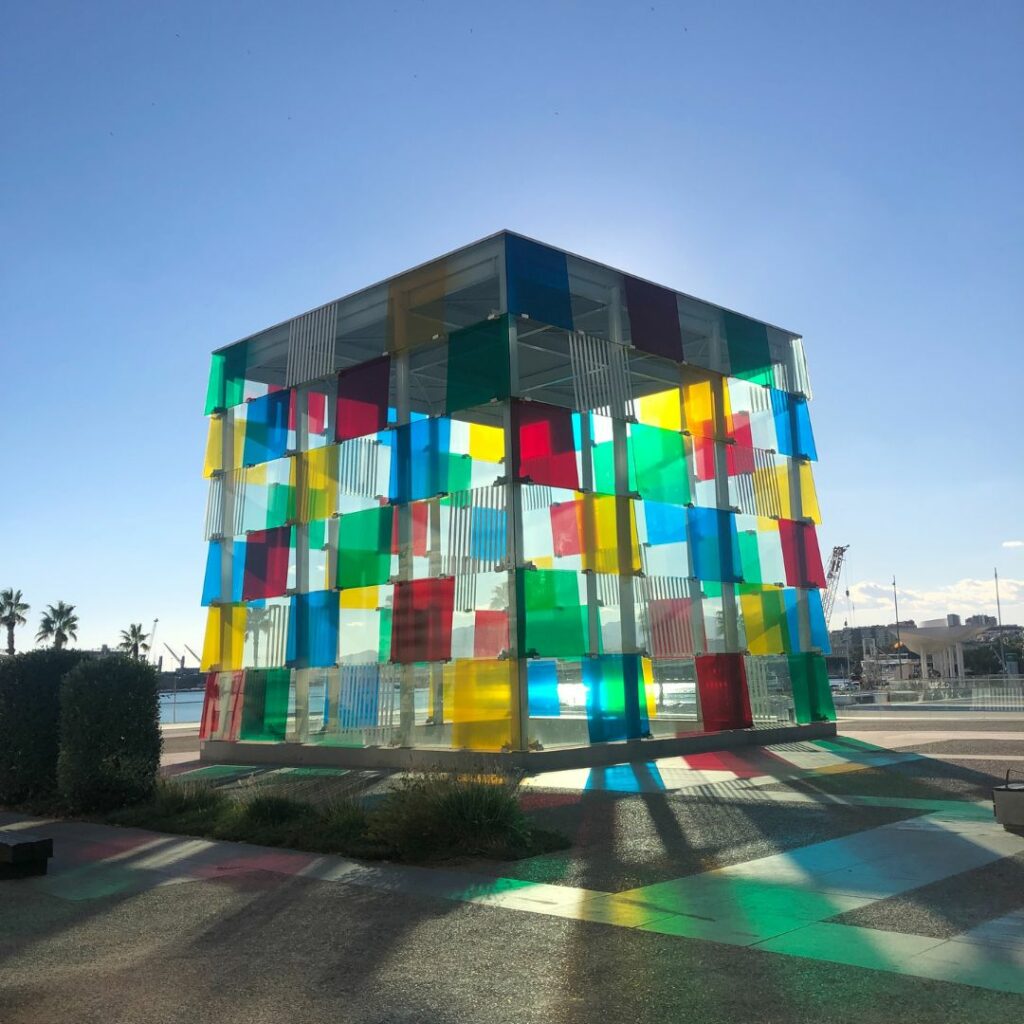
    The city has several museums and galleries that are well worth a visit if you’re in the mood for an afternoon of art and culture: The Museo Carmen Tyssen Málaga (permanent and temporary exhibitions from the Carmen Tyssen collection), the Pompidou Centre (in the multi-coloured building known as ‘The Cube’, right on Muelle 1 by the port), the Russian Museum (temporary exhibitions of art and more by Russian artists), the Automobile and Fashion Museum, the Málaga Museum (the history of the city told through maps, photographs, paintings sculptures and artifacts), the Picasso Museum (works by Pablo Picasso), among others.


    The Alcazaba

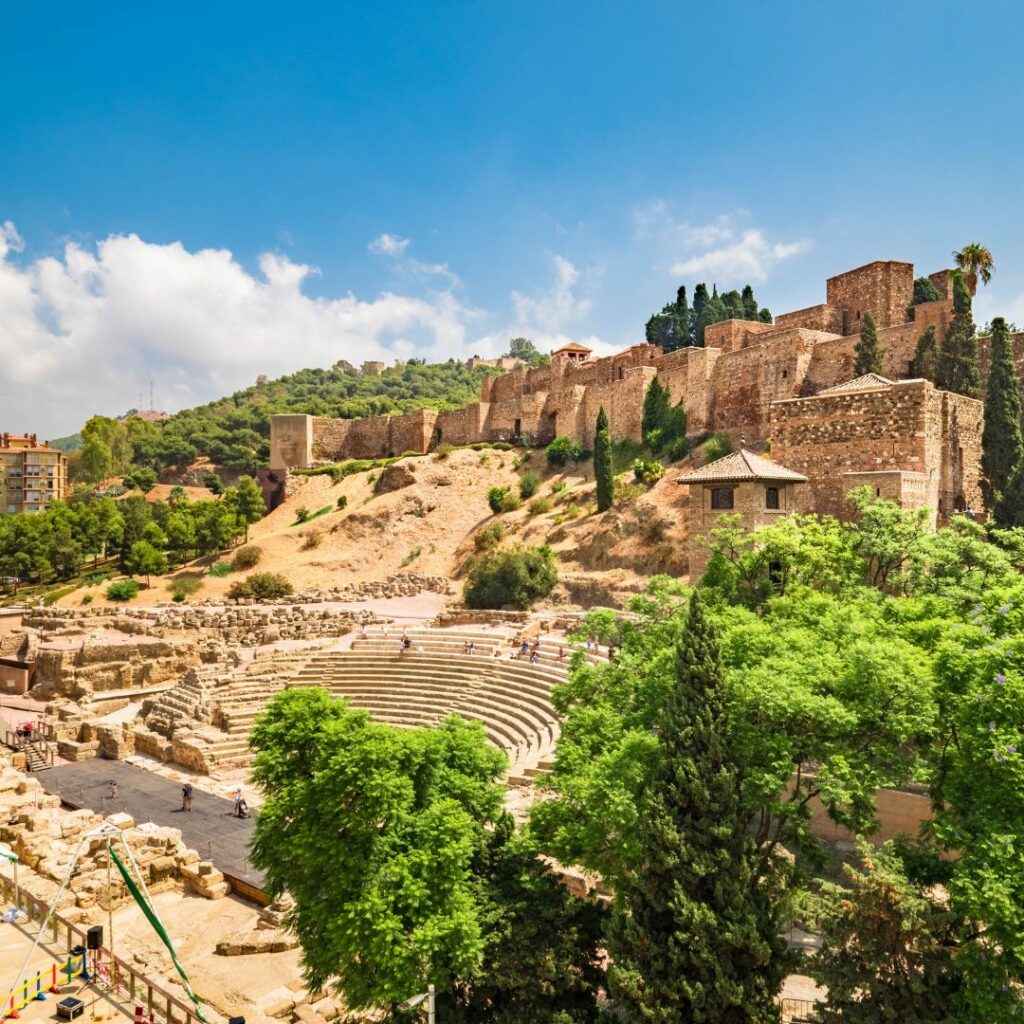
    The Alcazaba of Málaga is a historic symbol of Moorish conquest and a significant architectural and historical landmark. Towering over the city centre and port, it comprises a fortress and palace dating back to the eleventh century and exquisite gardens. There’s normally no need to book tickets, so head up and enjoy panoramic views of the city, the port and the Mediterranean Sea.


    Muelle Uno

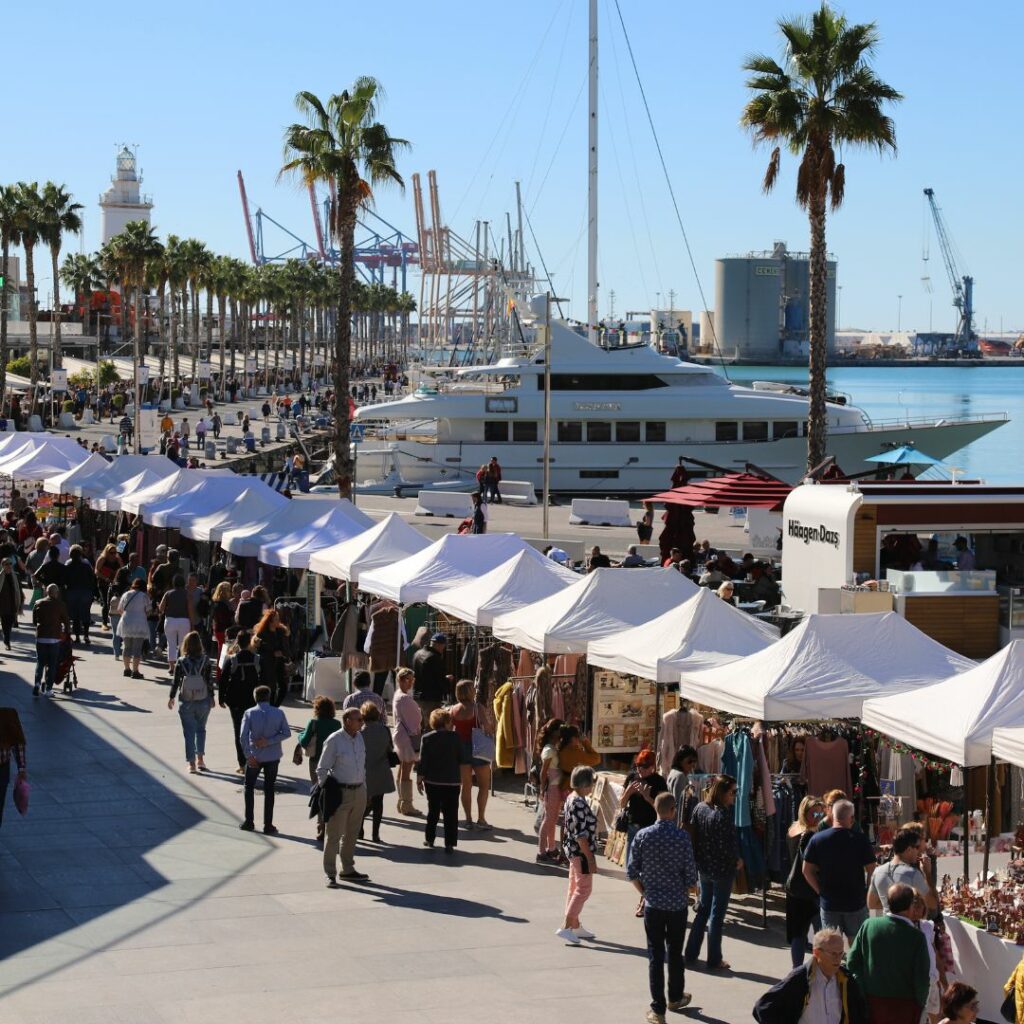
    Perfect for an evening stroll, the remodelled dock known as Muelle Uno is a clean and buzzing promenade lined with shops, restaurants and often market stands selling local artisan products. Enjoy views of the port at sunset and walk right to the end of the pier for stunning vistas back across the La Malagueta beach and the nearby hills of Málaga.

    Ronda, Córdoba, Granada 

    We highly recommend taking a day or weekend trip to one of the nearby towns or cities if you have the time. Ronda, Cordoba and Granada are no more than an hour and a half away by car or coach, and are three of the most beautiful locations in Andalucia.

    • Ronda is a small town and is a great place for a day visit. Its dramatic gorge, the impressive Puente Nuevo (New Bridge) and historic bullring are definitive must-sees.
    • Córdoba is a magical city full of colour, flowers and steeped in history, with its iconic Mezquita (mosque) and Jewish quarter, a testament to the numerous cultures to inhabit its winding streets, past and present. You’ll need at least two days here to really soak everything in.
    • Finally, Granada’s Alhambra Palace and the white-washed Albaicín neighbourhood are its biggest attractions. Often milling with tourists (it’s not hard to see why!), we recommend visiting for at least two days in the off-season if possible. If you have the means to take your bike with you, Granada offers even more incredible routes and climbs, including the colossal Pico del Veleta, Spain’s fourth highest peak and part of the Sierra Nevada mountain range.

    El Caminito del Rey

    El Caminito del Rey is a narrow wooden walkway that clings to the sheer cliffs and rock faces of the El Chorro Gorge, a breath-taking natural ravine carved out by the turquoise waters of the Guadalhorce River. It is around 60 kilometres northwest of Málaga, some 7.7 kilometres (4.8 miles) in length and takes between three and four hours to complete. Please bear in mind you need to book tickets online before arrival, especially if you’re visiting in peak holiday seasons.

    Getting to Málaga

    By plane
    Málaga-Costa del Sol Airport serves as a major gateway and has superb connections with most major cities in both Spain and Europe, with dozens of international flights each day. Oftentimes, off-season tickets into Málaga are very reasonable. A taxi to the city centre takes around 20 minutes and will cost in the region of €30.


    By train
    Alternatively, Spain’s high-speed railway network connects Málaga to other major cities like Madrid and Barcelona, and Málaga’s María Zambrano train station is also conveniently located in the city centre.


    By car
    Driving is also a good option for visitors already based in Spain and European. If travelling by car, you can access Málaga via the A-7 coastal motorway or the A-45 motorway from other Spanish cities – make sure to watch out for the tolls!

    The Eat Sleep Cycle Cycling Hub, Málaga

    Málaga is also the home of our Malaga Cycling Hub. This city is a gateway to Andalucia, Portugal and beyond and our benchmark for culture, food, good vibes and amazing riding. For us, Málaga is the place to be, it’s a buzzing city that’s full of life and we’re proud to be part of Málaga’s journey as an up-and-coming cycling destination.

    Come and see us, grab a coffee and let’s talk cycling!

    Book your place on a Málaga cycling tour

    If this has got you inspired to travel to Málaga, then why not view our cycling tours in Málaga and check out the trips and packages we have available. If you’re planning to travel here and don’t want to worry about bringing a bike, get in touch with our Málaga Hub and talk to us about our Málaga Bike Hire service to rent top-quality, fully-serviced road, gravel and mountain bikes.

    If you’ve any questions about your possible cycling tour in Málaga give us a call now on +34 951 01 48 08 or contact us online for more info!

    P.S. Enjoyed this blog? Why not sign up to receive our newsletter for content all about bikes and the adventures they take us on!

  • Guide to Gravel Cycling in Uganda

    Understanding Gravel Cycling

    Before embarking on a gravel cycling adventure in Uganda, it’s important to familiarize yourself with the basics. Gravel cycling, also known as gravel grinding or adventure cycling, involves riding on unpaved roads, typically made of gravel, dirt, or crushed stone. Unlike traditional road cycling, gravel cycling provides a sense of exploration and freedom, taking riders off the beaten path and into the heart of nature.

    Gravel cycling is not just a physical activity; it’s an experience that allows riders to connect with their surroundings in a unique way. As you pedal through the rugged terrain, you’ll witness breathtaking landscapes, encounter wildlife, and immerse yourself in the sights and sounds of nature. The tranquility of gravel cycling can be a welcome escape from the hustle and bustle of everyday life.

    One of the key elements in gravel cycling is the equipment. The right gear can make all the difference in terms of comfort and performance. It’s essential to have a reliable gravel bike with wider tires, sturdy frame, and suitable gearing. The wider tires provide better traction on loose surfaces, while the sturdy frame ensures stability on rough terrain. Additionally, investing in appropriate safety gear, such as helmets and knee pads, is crucial to protect yourself in case of any unforeseen accidents.

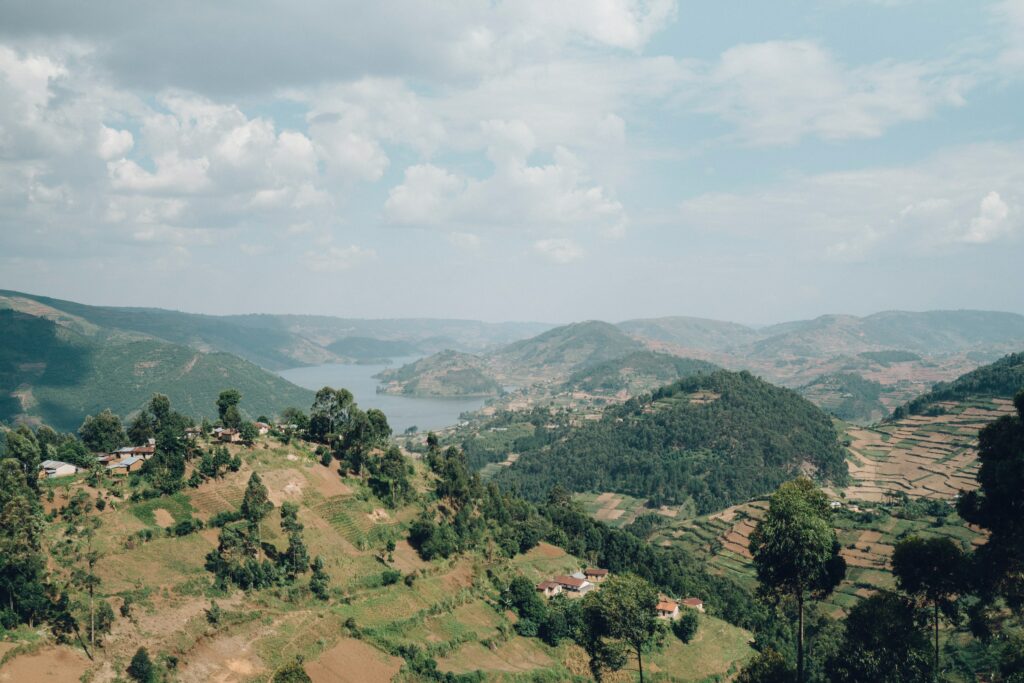
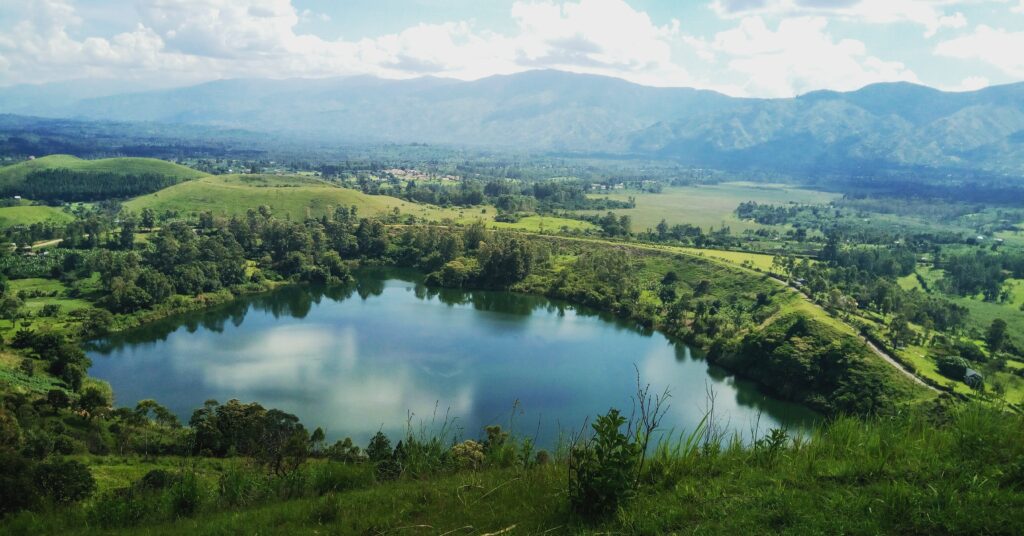
    uganda-africa-gravel-bike-tour-lake-bunyoni

    The Landscape of Uganda

    Uganda boasts a diverse landscape that is perfect for gravel cycling enthusiasts. From rolling savannahs to lush rainforests and majestic mountains, Uganda offers a wide range of terrain to explore. To fully appreciate the beauty of this country, let’s take a closer look at its geographical overview, understand the climate and weather conditions, and delve into the unique features that make Uganda a gravel cyclist’s paradise.

    Geographical Overview of Uganda

    Located in East Africa, Uganda lies on the equator, sharing borders with Kenya, Tanzania, Rwanda, South Sudan, and the Democratic Republic of the Congo. This strategic location not only makes it easily accessible but also contributes to its rich and diverse landscape. The country is known for its stunning natural features, including the iconic Rwenzori Mountains, Lake Victoria, and the source of the River Nile.

    The Rwenzori Mountains, also known as the “Mountains of the Moon,” are a UNESCO World Heritage Site and offer a challenging yet rewarding experience for gravel cyclists. With their snow-capped peaks, glacial valleys, and unique flora and fauna, these mountains provide a breathtaking backdrop for any cycling adventure.

    Lake Victoria, the largest lake in Africa and the second-largest freshwater lake in the world, is another prominent feature of Uganda’s geography. Its vast expanse of shimmering blue waters offers a tranquil setting for cyclists to enjoy as they pedal along its shores. The lake is also home to a variety of bird species, making it a paradise for birdwatchers.

    Furthermore, Uganda is proud to be the source of the mighty River Nile. Gravel cyclists can explore the areas surrounding the river and witness its powerful flow as it begins its journey towards Egypt. The Nile offers a unique opportunity for cyclists to connect with nature and experience the historical significance of this iconic river.

    With such diverse geography, gravel cyclists can choose from a variety of routes that cater to their preferences and skill levels. Whether it’s a challenging climb up the Rwenzori Mountains, a leisurely ride along the shores of Lake Victoria, or a journey tracing the path of the River Nile, Uganda has something to offer every gravel cycling enthusiast.

    Climate and Weather Conditions

    Uganda enjoys a relatively stable climate throughout the year, thanks to its location near the equator. The country experiences two seasons: a dry season and a wet season. The dry season, which runs from December to February and from June to August, offers ideal conditions for gravel cycling. During this time, the weather is generally warm and sunny, with clear skies and minimal rainfall. The dry season provides cyclists with the perfect opportunity to explore Uganda’s diverse landscapes without the hassle of navigating through muddy paths or dealing with heavy rain showers.

    On the other hand, the wet season, from March to May and from September to November, brings rain showers that can make cycling more challenging. While some gravel cyclists may prefer the added excitement and thrill of riding in the rain, it’s important to be prepared for the wet conditions. Planning your trip accordingly and packing appropriate gear, such as waterproof clothing and mudguards, will ensure a comfortable and enjoyable ride even during the wet season.

    It’s worth noting that the wet season also brings its own unique charm to Uganda’s landscape. The rain showers rejuvenate the lush rainforests and transform the savannahs into a vibrant sea of green. The air is filled with the sweet scent of blooming flowers, and the sound of birds chirping becomes a symphony of nature. Gravel cyclists who embrace the wet season can witness the country’s natural beauty in its most vibrant and lively state.

    In conclusion, Uganda’s diverse landscape, ranging from rolling savannahs to lush rainforests and majestic mountains, offers gravel cyclists an unparalleled experience. With its geographical features, such as the Rwenzori Mountains, Lake Victoria, and the source of the River Nile, cyclists can embark on thrilling adventures and immerse themselves in the natural wonders of this East African gem. Whether it’s the dry season or the wet season, Uganda’s climate and weather conditions provide unique opportunities for gravel cycling enthusiasts to explore and appreciate the beauty of this remarkable country.

    Preparing for Your Gravel Cycling Trip in Uganda

    Exploring Uganda by gravel cycling requires careful preparation to ensure a safe and hassle-free trip. Beyond packing your bike and gear, there are a few key considerations to keep in mind, including health and safety and necessary travel documents.

    Health and Safety Considerations

    Prior to embarking on your gravel cycling adventure in Uganda, it’s essential to take necessary health precautions. Consult with your healthcare provider to ensure you are up to date with vaccinations and obtain any required medications, such as antimalarials. It’s also important to be mindful of your personal safety while cycling in Uganda. Be aware of your surroundings, adhere to local road rules, and consider cycling with a group or a knowledgeable local guide – the Eat Sleep Cycle Uganda Gravel Tour offers just such an experience!

    Necessary Travel Documents

    Before traveling to Uganda, it’s important to have the correct travel documents in order. Ensure that your passport is valid for at least six months beyond your intended departure date. Additionally, obtain a tourist visa for entry into Uganda. You can obtain a visa upon arrival at the airport or through an online application process prior to your trip. It’s always beneficial to research the latest travel requirements and information to avoid any issues upon arrival.

    uganda-gravel-bike-tour-crater-lake

    Top Gravel Cycling Routes in Uganda

    Now that you have a good understanding of gravel cycling in Uganda and have made the necessary preparations, it’s time to explore the top routes the country has to offer. Whether you are seeking a thrilling off-road adventure or a scenic ride through the countryside, Uganda has something for everyone.

    Route 1: Kampala to Jinja

    This route takes you on a thrilling gravel cycling journey from the bustling capital city, Kampala, to the charming town of Jinja, also known as the “adventure capital of East Africa.” Along the way, you’ll pass through scenic landscapes, including tea and sugarcane plantations, and get a taste of the local culture and hospitality as you interact with the friendly Ugandan people.

    Route 2: Fort Portal to Queen Elizabeth National Park

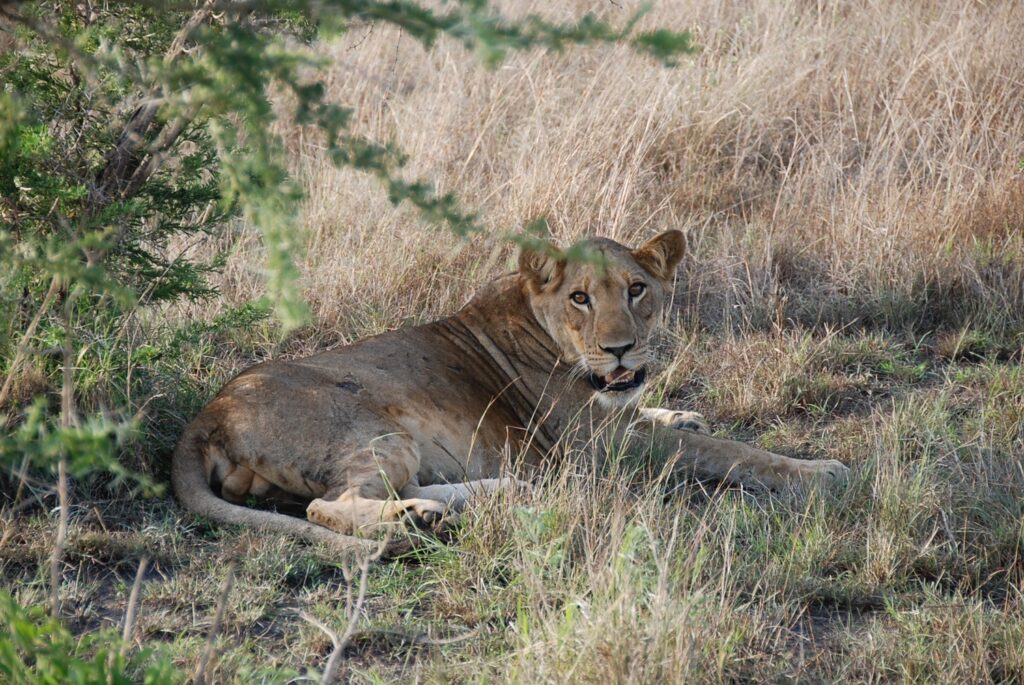
    For those seeking a more wildlife-focused adventure, this route offers an unforgettable gravel cycling experience. Starting from Fort Portal, known for its stunning crater lakes, you’ll ride through lush green countryside and arrive at Queen Elizabeth National Park. Here, you’ll have the opportunity to spot iconic African wildlife, such as elephants, lions, and buffalos, as you explore the park’s gravel trails.

    Route 3: Ultimate Uganda Gravel Tour

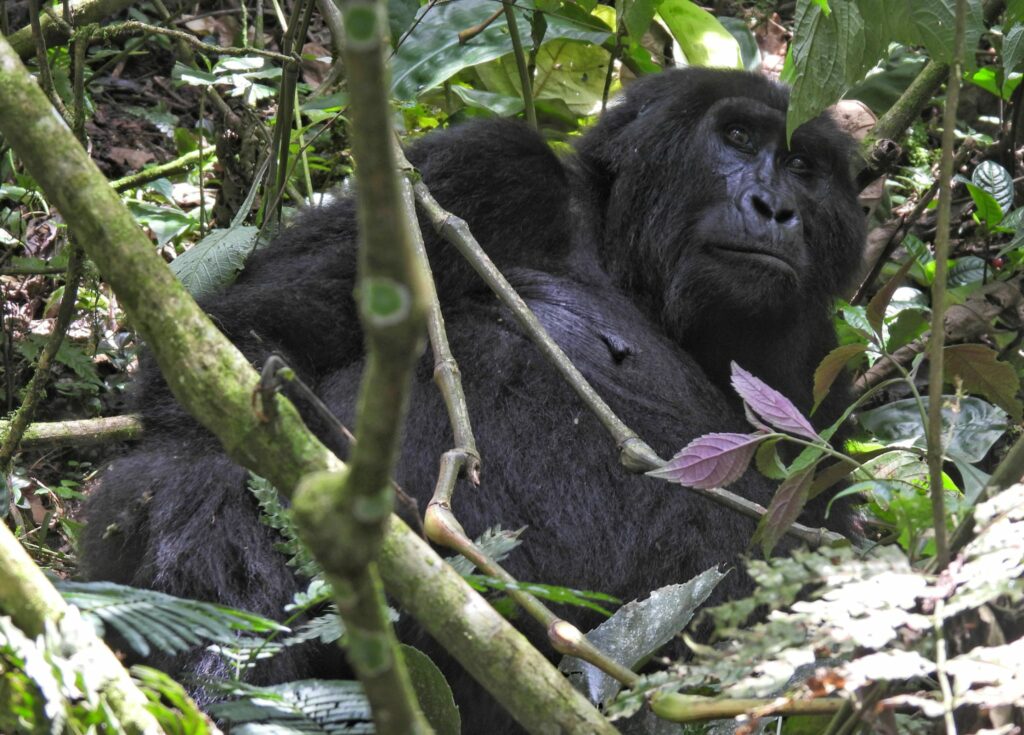
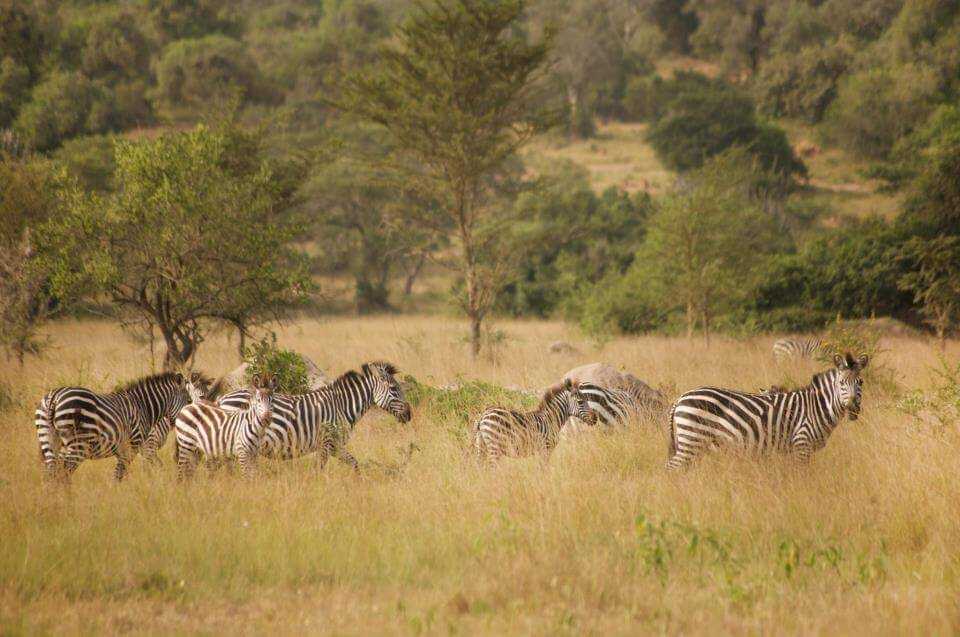
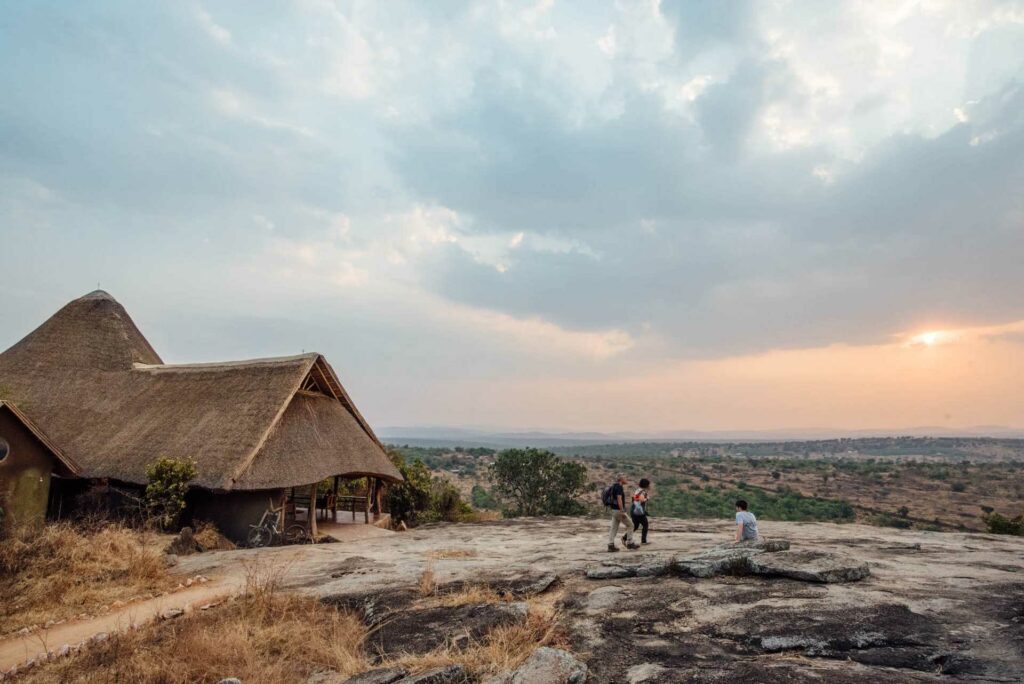
    To experience the range of terrain and landscapes, immerse yourself in nature and enjoy local culture and hospitality consider joining the Eat Sleep Cycle Uganda Gravel Adventure. The adventure starts and finishes in Entebbe and the riding takes us from Fort Portal, through the Rwenzori mountains and to the Queen Elizabeth National Park. We take a boat down the Kazinga Channel and continue the adventure bike bike further south to Buhoma and home of the mountain gorillas in the Bwindi Impenetrable Rainforest. A short shuttle east takes us to the finish of the adventure for a safari ride in Lake Mburo National Park.

    Tips for Gravel Cycling in Uganda

    As you embark on your gravel cycling adventure in Uganda, keep these tips in mind to enhance your experience and make the most of your trip.

    Dealing with Altitude and Terrain

    Uganda’s diverse landscapes can present unique challenges in terms of altitude and terrain. Take the time to acclimatize to the altitude if you’re cycling in mountainous areas. Additionally, be prepared for different types of terrain, including steep ascents and descents, loose gravel, and muddy sections. Proper training and conditioning will help ensure that you can navigate these challenges with ease.

    Interacting with Local Communities

    One of the highlights of gravel cycling in Uganda is the opportunity to interact with local communities and experience their culture firsthand. Embrace these opportunities and engage with the locals, who are known for their warmth and hospitality. Learning a few basic greetings and phrases in the local language can go a long way in establishing positive connections and creating memorable experiences.

    Exploring Uganda by gravel cycling offers a unique and immersive way to discover the country’s stunning landscapes, diverse terrain, and vibrant culture. By understanding the basics of gravel cycling, making the necessary preparations, and choosing the right routes, you can embark on a memorable adventure that will leave a lasting impression. So pack your bike, grab your gear, and get ready to experience Uganda like never before!

    Want to learn more about gravel cycling in Uganda?

    We’d love to hear from you! Check out our Uganda Gravel Adventure and Contact Us!

  • Pilates And Mobility For Cyclists


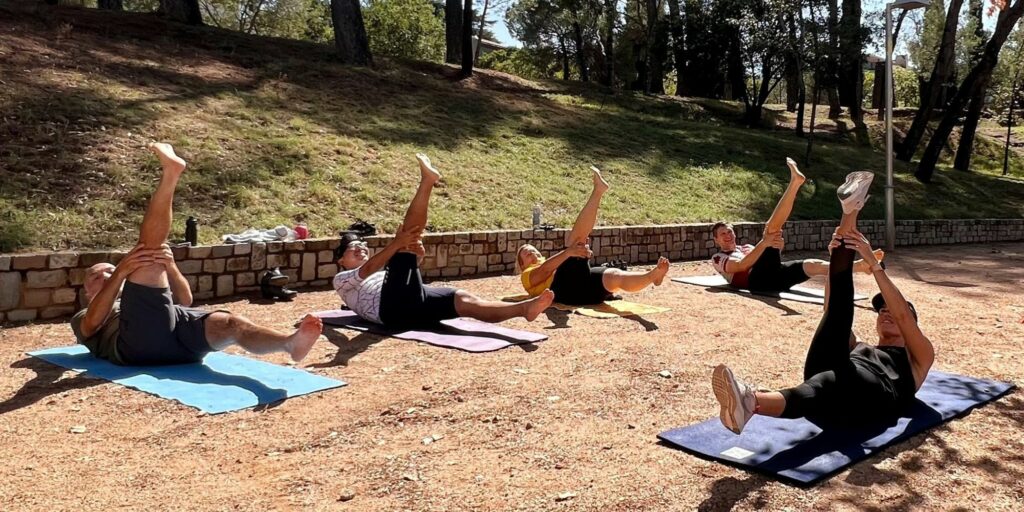
    Many cyclists focus solely on their sport-specific training, such as endurance or strength workouts, without paying attention to their conditioning and recovery needs. This can lead to imbalances in the body, increased risk of injury, and decreased performance. Pilates and mobility exercises, for example, can help to address these issues by improving flexibility, stability, and core strength. By incorporating these types of training into their routines, cyclists can enhance their overall physical function, reduce the risk of injury, and improve their athletic performance in the long run.

    But, what is Pilates and what is Mobility?


    Pilates is a form of low-impact exercise that emphasizes proper posture, controlled movements, and breath. It aims to strengthen the core muscles, improve flexibility, balance, and overall body awareness. Mobility, on the other hand, refers to the ability of a joint to move through its full range of motion without restriction or pain. It involves flexibility, stability, and strength training to improve movement efficiency and reduce the risk of injury.


    Together, Pilates and mobility exercises can help individuals achieve better physical function and overall well-being.

    How can Pilates and Mobility help you if you are a cyclists


    Regular Pilates and mobility practice can offer numerous benefits for cyclists, including:

    1. Improved flexibility: Pilates and mobility exercises can help to increase joint mobility, which can improve overall flexibility and range of motion. This can reduce the risk of injury and enhance athletic performance.
    2. Increased core strength: Pilates emphasizes core stability and strength, which is essential for maintaining proper posture and form during exercise. A strong core can also improve overall balance and stability.
    3. Reduced risk of injury: Pilates and mobility exercises can help to correct muscle imbalances and improve overall body alignment, which can reduce the risk of injury during training and competition.
    4. Enhanced recovery: Mobility exercises can help to increase blood flow and reduce muscle tension, which can aid in post workout recovery.
    5. Improved performance: Pilates and mobility practice can enhance athletic performance by improving flexibility, strength, and overall body control.
    6. Reduced stress and tension: Pilates and mobility practice can also help to reduce stress and tension, which can improve mental focus and overall well-being.

    How can we, at Eat Sleep Cycle help you feel better and perform better


    My name is Mun Bau and I am the responsible for teaching Pilates and Mobility to Eat Sleep Cycle staff and clients.


    I have been a qualified Pilates Instructor by Polestar Pilates Australia, since 2019. I am also a cyclist. So I totally get you.

    In my experience, incorporating Pilates and Mobility into a training regimen for cycling is be a great way to improve overall fitness and performance. I see it in daily in myself and in the feedback I get from my clients.


    Pilates and Mobility can be done as a standalone workout or as a complement to other forms of exercises and it can be done with minimal equipment, making it a convenient and accessible option for athletes on the go.


    One of the great things about Pilates is that it is highly customizable to the individual’s needs and abilities. When taught by a qualified professional, it can easily be adapted to suit different levels of fitness and can be modified for any injuries or limitations.


    As a Pilates instructor, I can also provide personalized guidance and feedback to help cyclists achieve their goals.


    It’s important to note that Pilates and Mobility should not be seen as a replacement for cycling training. Rather, it should be viewed as a complement to other forms of exercise.


    In conclusion, Pilates and Mobility can be a highly beneficial form of exercise for cyclists.

    Join us for a pilates taster session & brunch on Saturday 23rd September!

  • How to Train Like a Pro

    Below I have summarised some of the most impactful training tips from 10 years of
    coaching amateurs to pros. Read it carefully and implement as much as you can in
    your own training if you want to become a faster, more powerful cyclist. This stuff
    works!

    Carbs are King (or Queen).

    Do not under fuel sessions. It is the biggest mistake riders make when managing their
    own training & nutrition. Under fuelling on a regular basis can be extremely
    detrimental to physical and psychological health, not to mention catastrophic in
    terms of performance.

    Ignore the fad diet advice, the key is keeping yourself topped up with carbohydratescarbs
    are your rocket fuel and are needed on and off the bike for performance and
    supporting the body’s natural processes of recovery and adaptation.

    After big training days, ensure you do not go to bed hungry! Going to bed hungry is highly
    likely to result in poor sleep quality and therefore poor recovery (partly due to a
    spike in the stress hormone cortisol). Have a pre-bed snack- we recommend oats
    with yoghurt for slow release protein and carbohydrates to support bodily functions
    throughout the night.

    Training and eating is all about balance. You should absolutely allow yourself “treats”
    now and again. However timing these treats before big rides is worth considering, as
    this will help top up glycogen stores leaving you energised for your efforts and
    avoiding excess calorie surplus.

    Ride Slower to Go Faster.

    Another fundamental mistake cyclists make is going too hard on endurance rides.
    Doing so greatly increases fatigue while producing very little adaptive benefit. It’s an
    illogical trade-off!

    Keeping endurance rides controlled allows you to go longer without fatiguing,
    therefore banking more quality training time. It also means you can go harder in your
    hard sessions (sprints, vo2 max etc) because you are not carrying a load of
    unplanned fatigue in the legs. Therefore your overall progression will increase.

    Generally using rate of perceived exertion (riding on feel) as opposed to being a slave
    to the power numbers is also a good habit on endurance rides. Training zones are
    anchored to FTP which is a biochemical tipping point that is moving every day, so of
    course your zones are not going to be totally accurate. If you are in “zone 2” but
    your legs are burning and you are struggling to maintain the power, reduce your
    effort until you are comfortable. Doing so will produce the best endurance
    adaptations while limiting unnecessary fatigue.

    Avoid Too Much High Intensity Training.

    With the evolution of apps such as Zwift, short very hard sessions with large
    amounts of anaerobic work have become much more prevalent in the everyday cyclist’s
    training week. This is all well and good while it’s all well and good… but too much
    high intensity can be extremely detrimental.

    When it comes to high intensity workouts, more is not necessarily better. In fact,
    recent research has shown that too much high intensity can lead to “sudden and
    severe declines in the function of mitochondria, which are the energy powerhouses
    inside the cells, along with incipient signs of blood sugar dysfunction”.

    On a more tangible level, too much intensity in your plan can lead to overtraining
    and all that comes with it: loss of performance, loss of motivation, depression,
    irritability, insomnia and numerous other suboptimal impacts! I’ve been there
    personally, it’s a dark rut that can take a long time to come out of.

    So how much high intensity interval training should you be doing? If you’re a
    relatively new cyclist, you’ll want to stick to shorter intervals at lower intensities (no
    more than twice a week). As you become more experienced and resilient, you can
    increase the length and intensity of your intervals.

    For veteran athletes, high intensity intervals play a crucial role in countering the
    ageing process (loss of lean muscle mass and decrease in VO2 Max), but, recovery
    between sessions must be longer versus a cyclists in their late 20s, for example.
    Fundamentally, these intervals must be stacked upon a base of solid endurance. If you
    go straight into the season with block of VO2 efforts this is likely a one way ticket to
    burnout, and, if this fatigue is not shed with some prolonged rest, it can subtly follow
    you throughout the whole season resulting in a string of inconsistent performances.
    In short, high intensity absolutely has its place in almost every training plan. But,
    timing, experience, age and individual response are important considerations before
    launching into a hard block of training.

    Get a Good Coach and Avoid Generic Training Apps!

    A significant number of riders we coach come to us and say something along the
    lines of “I was using (insert generic training app here…) and it worked for a few
    months. Then I stopped improving/ plateaued / burnt out / got bored to tears / got
    slower etc…

    To maximise your potential, it’s imperative you follow a plan that’s specifically
    tailored to YOUR unique physiology, and a plan that also progressively simulates the
    demands of your target events. Following the same plan as Bob down the road will
    only get you so far. To reach your full potential you have to get highly specific with
    your training!

    Furthermore, an absolutely fundamental part of getting stronger month on month
    and year on year is making the correct training decisions most of the time.
    For example, if you have a slight head cold and your legs are feeling heavy, should you
    complete your sweet spot session? If your legs are burning and your heart rate
    won’t rise, should you still push on and finish the endurance workout? If you’ve had a
    stressful day at work, should you drag yourself onto the indoor trainer at 7pm to get
    the planned session done?

    These highly nuanced decisions, when taken collectively over a year, are absolutely
    crucial to get right. They can be difference between truly maximising your potential
    or burning out!

    The fact is, software can’t answer these for you. There are too many factors to
    consider. These are the all important decisions your coach should be helping you
    with. So if you are experiencing any of the above, bin your generic training app and
    get on the phone to an experienced coach.

    I hope some of this proves useful in your own cycling journeys. Happy pedalling!

  • Eat Sleep Cycle Joins the Adventure Travel Trade Association

    By joining the organization we’re committing to contribute to the sector in a meaningful way that protects the people, cultures and landscapes we ride through, and also create immersive cultural experiences for our guests.

    The ATTA is an organization whose purpose is to nurture and professionalize the responsible and sustainable development of the adventure travel industry.

    Like ATTA we believe that adventure tourism contains three main components for the traveler: 

    1) physical activity

    2) a connection to nature and the environment and 

    3) an immersive cultural experience.

    As tourism is one of the largest employers on the planet, it has a major impact on peoples’ economic well-being and the planet’s health. Furthermore, adventure tourism is inextricably dependant on human- and nature-capital; protection and promotion of these resources is key.

    “The ATTA serves as a community that supports and engenders these efforts. While we believe that no organization is perfect in its actions regarding responsibility and sustainability, we affirm that it should be the intent of every organization to move towards such goals. Thus, the ATTA declares its affirmation and support of the following key issues:”

    1. TOURISM ETHICS

    The ATTA affirms and agrees with the UNWTO’s Global Code of Ethics for Tourism

    1. PROTECTION OF CHILDREN

    The ATTA believes in the protection of children from harmful effects of tourism and is a signatory of TheCode.org

    1. RESPONSIBILITY

    The ATTA believes in the universal standards put forth by the Global Sustainable Tourism Council (Based on the UNWTO’s Global Code of Ethics for Tourism), and that tourism businesses and destinations should adopt the criteria specifically in these four areas:

    • Demonstrating effective sustainable management
    • Maximizing social and economic benefits to the local community and minimizing negative impacts
    • Maximizing benefits to cultural heritage and minimizing negative impacts
    • Maximizing benefits to the environment and minimizing negative impacts
    1. COMMUNITY PRINCIPLES

    ATTA Members — when working under the auspices as aforementioned — will treat each other and travelers with respect and professionalism and conduct business with safety, honesty and integrity. As a community, we will seek to improve our own organization’s compliance with the points noted above. As a community, we will, wherever possible, seek to assist other organizations and professionals within the association to achieve success, both in the pursuit of the values noted above and in business.

    At Eat Sleep Cycle we look forward to connecting with fellow ATTA members and continuing to shape our cycling experiences alongside the ATTA community.

  • A Guide to riding the Great Divide: Patagonia, Chile & Los Andes

    The Great Divide, also known as the Continental Divide of the Americas, is a majestic and predominantly mountainous range that, in its totality, stretches from the Bering Strait between the USA and Russian, to the Strait of Magellan on the southernmost tip of Chile.

    It follows the line of high peaks along the Rocky Mountains and the Andes and encompasses a variety of landscapes and terrains that offer endless possibilities for gravel adventures, but none more so than those lying between Chile and Argentina.

    Gravel cycling in Chile, Los Andes and Patagonia

    The opportunities for gravel cycling in Chile, Los Andes and Patagonia are limitless. Starting in Chile, these boundless and unparalleled landscapes captivate visitors year after year. The country may only be 350 km wide (at its widest point, east to west), but what it lacks in breadth it makes up for in natural wonders, from the dry deserts in the north, to dense forests in the south, crystalline rivers and lakes and the towering Los Andes mountain range.

    Gravel cycling in Los Andes

    Los Andes form a natural border between Chile and Argentina and are the longest mountain range in the world, with an average height of around 4,000 metres. The gravel roads that criss-cross over these peaks boast challenging ascents that will test not only your physical endurance, but your mental stamina, too.

    By way of example, the road to Portillo, a popular Chilean ski resorts, is a mountain stage that takes you up into the heart of the Andes. The renowned Portillo road is part of the main highway connecting Santiago (Chile) and Mendoza (Argentina), so not strictly gravel, but an arduous ascent nonetheless. This 85 km climb features the gruelling “Los Caracoles” (the snails) section, with 29 hairpin turns and gradients of up to 14%, considered by many to be one of the world’s toughest cycling climbs.

    Torres del Paine National Park
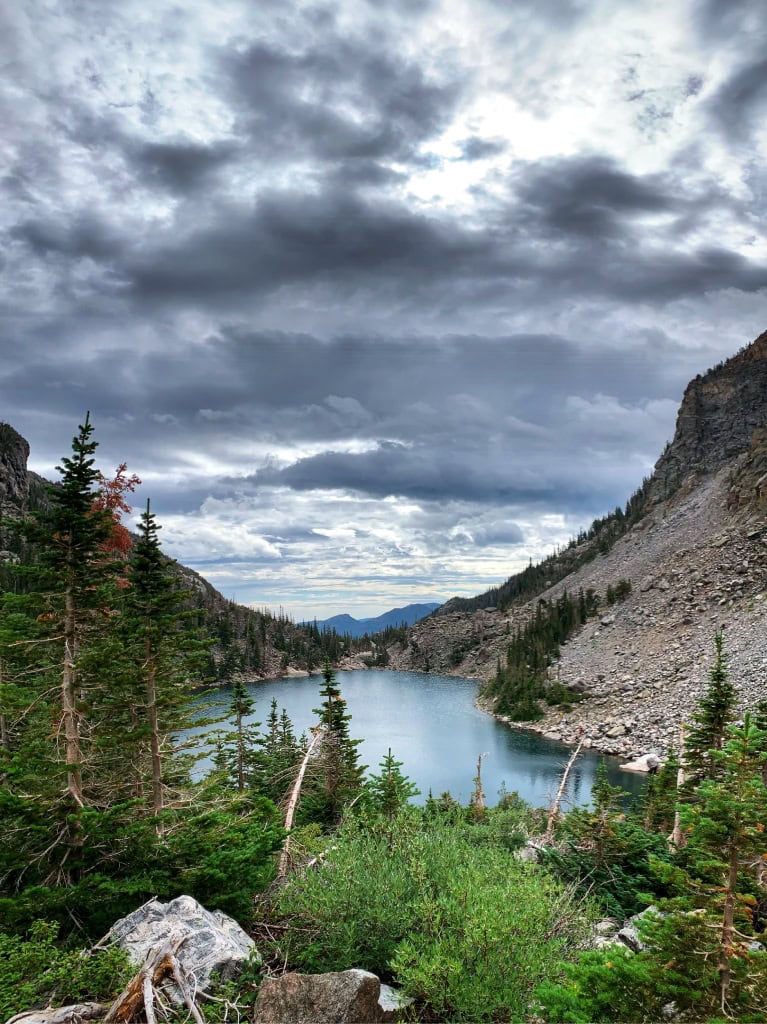
    Rocky Mountains National Park

    Gravel cycling in Patagonia

    Gravel cycling in Patagonia is next level, with endless tracks and trails that guide you through its vast wilderness and untouched landscapes. From windswept plains to the jagged peaks of the Torres del Paine National Park, every pedal stroke reveals more of this region’s raw, natural beauty. Expect a mix of challenging climbs, awe-inspiring views and a humbling sense of nature’s grandeur, with spectacles such as the Perito Moreno Glacier, the Fitz Roy massif, and the stunning landscapes of Tierra del Fuego.

    Road conditions along the Great Divide

    As might be expected in such a wild landscape, road conditions along the Great Divide through Chile, Los Andes and Patagonia vary between paved highways, well-maintained gravel roads and more rugged and remote paths. After all, the beauty of gravel is in being able to tackle pretty much any terrain, and riding on with confidence as the sound of your tyres on smooth tarmac is suddenly transformed into a crunchy symphony of dusty gravel. 

    It’s important to have previous experience riding on all types of roads, paths and surfaces, and come prepared with a sturdy gravel or mountain bike and the appropriate gear to tackle the sometimes-challenging terrain. Handlebar and top-bar storage for snacks, spare inner tubes, tools, extra layers, gloves, and any other essentials you want to bring along will help keep your body free and flexible to manoeuvre over and through these wild landscapes.

    Crossing the Andes Mountains
    Rocky Mountains
    Rocky Mountains National Park

    Weather conditions and the best time to ride

    The weather along the Great Divide in Chile, Los Andes and Patagonia can be unpredictable, so it’s important to plan your gravel cycling adventure accordingly. Ideally, the best time to ride is during South America’s summer months, from November to March. The weather is generally milder and the days are longer, which is perfect for big rides and lots of exploration.

    But even during the summer, weather patterns can change within a few hours, and you may be faced with strong winds, rain, or even snow at higher altitudes. It’s crucial to be prepared with the appropriate layers, waterproof gear, and sturdy tyres to navigate the ever-changing conditions.

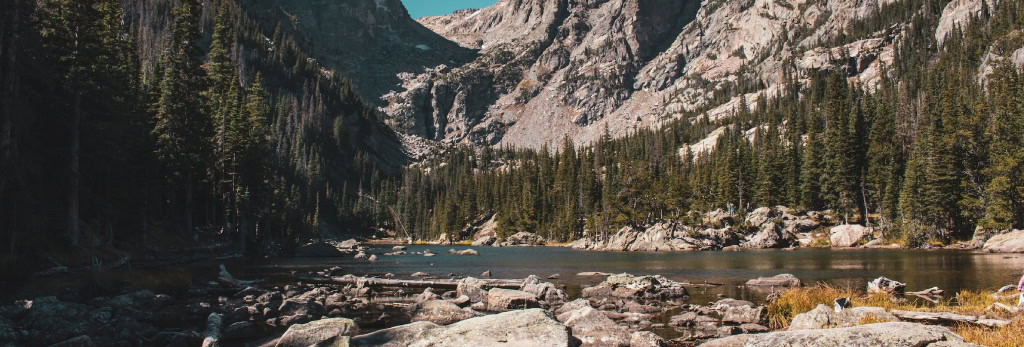
    Rocky Mountains landscape

    The Eat Sleep Cycle Great Divide Gravel Cycling Tour

    Our new Eat Sleep Cycle gravel cycling tour of the Great Divide will explore this rugged edge of the world and cross the Chile-Argentina border twice, giving riders a chance to experience two of the countries flanking the longest mountain range in the world.

    If you’re inspired to ride the Great Divide, or any of our other tours, contact our travel experts for more information.

  • Bikepacking Slovenia: A Gravel Bike Adventure

    Slovenia is a small country with a huge amount to offer to cyclists. With the Julian Alps to the west, Lake Bled, small wine regions, and a gorgeous capital city, there’s nothing not to love. Ariel set off on a 400 km gravel ride to get to know the country, people & trails. Here is what he found!

    Day 1: Ljubljana to Luçe, 100 km, 1,822 m

    Day 2: Luçe to a hillside near Plansarsko Jezero, 75 km, 1,900 m

    Day 3: Plansarsko Jezero to Bohinj, 110 km, 1,500 m

    Day 4: Bohinj to Bled, train to Ljubljana, 75 km, 1,200 m

    Like what you see and want to find out more? You can chat to Ariel about the trip by Contacting us or take a look at our Slovenia Gravel Tour – available as a fully supported tour or as a self-guided adventure.